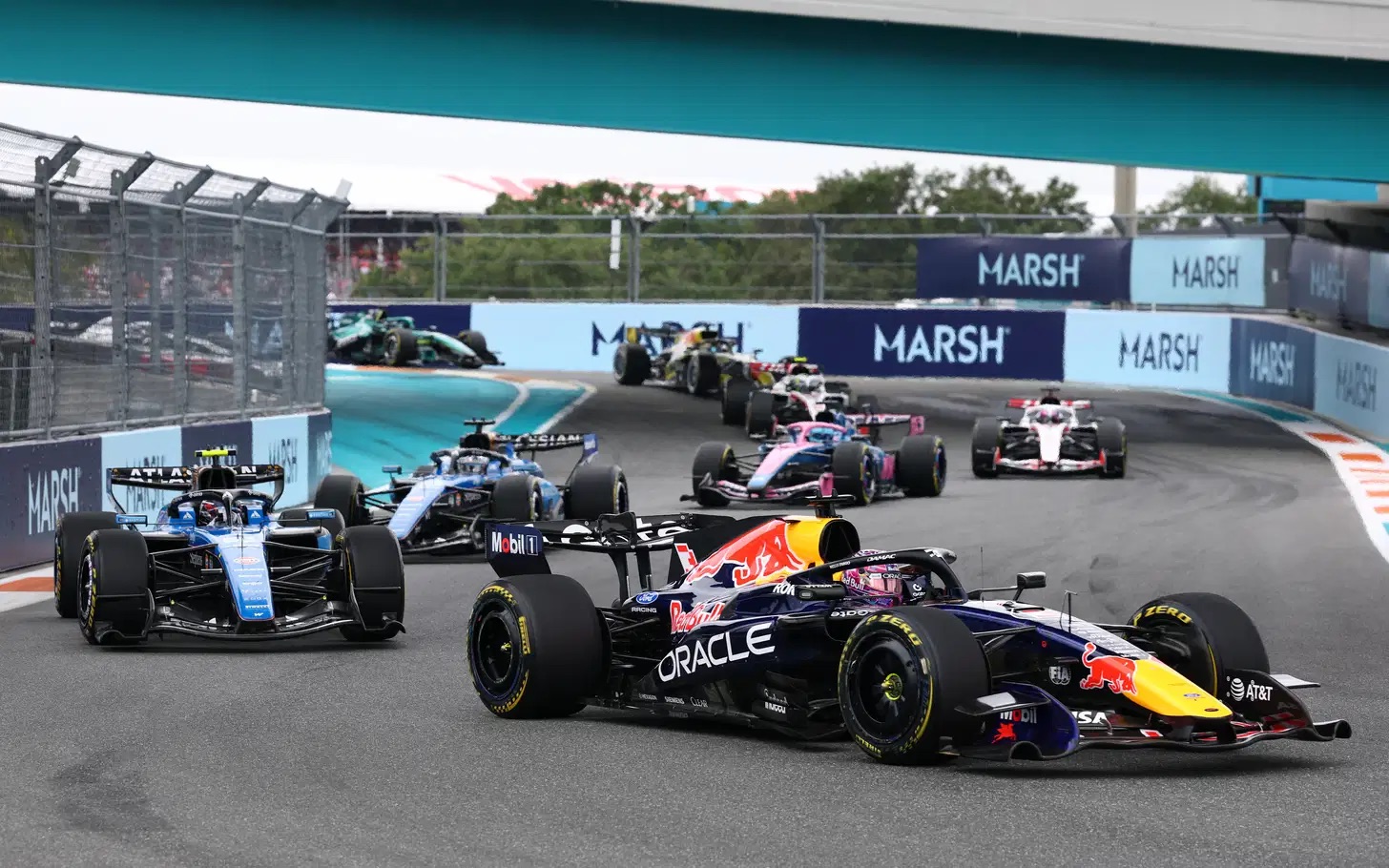
Juan Pablo Montoya has urged the FIA to take firm disciplinary action against Max Verstappen, arguing that the reigning champion’s outspoken criticism of Formula 1’s upcoming 2026 regulations should not go unpunished.
The former Williams and McLaren driver believes Verstappen’s repeated negative remarks about the sport’s future direction cross a line, particularly given his status as one of F1’s leading figures. While Montoya acknowledged that drivers are entitled to their opinions, he insisted that there must be limits when it comes to publicly undermining the sport that provides their platform.
Speaking on the BBC’s Chequered Flag podcast, Montoya made it clear that he takes issue not with disagreement itself, but with the tone and manner in which Verstappen has expressed his views. He stressed that Formula 1 drivers have a responsibility to show respect for the championship, even when they disagree with regulatory changes.

According to Montoya, Verstappen’s comments about the 2026 rules package—which is set to introduce major technical and sustainability-focused changes—have been unnecessarily dismissive. He suggested that such remarks risk damaging the image of the sport and could influence public perception in a negative way.
Montoya went further by proposing a controversial solution: handing Verstappen a significant number of penalty points on his FIA Super Licence. In Formula 1, drivers accumulate penalty points for on-track infractions, and reaching 12 points within a 12-month period results in an automatic one-race ban. Montoya argued that a similar system could be used to address what he views as misconduct off the track.
“Respect for the sport is essential,” Montoya explained. “It’s fine if you don’t like certain regulations, but the way those opinions are delivered matters. When a driver speaks negatively about the very sport they benefit from, there should be consequences.”
He suggested that adding as many as seven or eight penalty points to Verstappen’s licence would send a strong message. While such a move would not immediately trigger a suspension, it would bring the Dutch driver dangerously close to the 12-point threshold, effectively putting him on notice for future behaviour.
Montoya believes this kind of disciplinary action would quickly change the tone of discussions within the paddock. By creating a tangible risk of suspension, he argued, drivers would think more carefully about how they communicate their frustrations publicly.
“Park him if necessary,” Montoya said, using a phrase that implies forcing a driver to sit out a race. “Once there are real consequences, I guarantee the messaging would shift.”
Currently, Verstappen holds three penalty points on his Super Licence, stemming from an incident at the Spanish Grand Prix last season involving George Russell. Adding the number of points Montoya suggested would not immediately sideline him, but it would leave him with very little margin for error over the following months.
The debate highlights a broader tension within Formula 1 as the sport prepares for a significant regulatory overhaul in 2026. While some drivers and teams have expressed concerns about the impact of the new rules on performance and racing quality, others have been more measured in their responses.
Montoya’s stance, however, raises questions about how far governing bodies should go in regulating driver conduct beyond the cockpit. His proposal to penalize verbal criticism is likely to divide opinion, with some seeing it as necessary to protect the sport’s image, while others may view it as an overreach that limits free expression.
As Formula 1 continues to evolve, the balance between open dialogue and maintaining respect for the sport remains a delicate one—one that figures like Montoya believe must be carefully enforced.