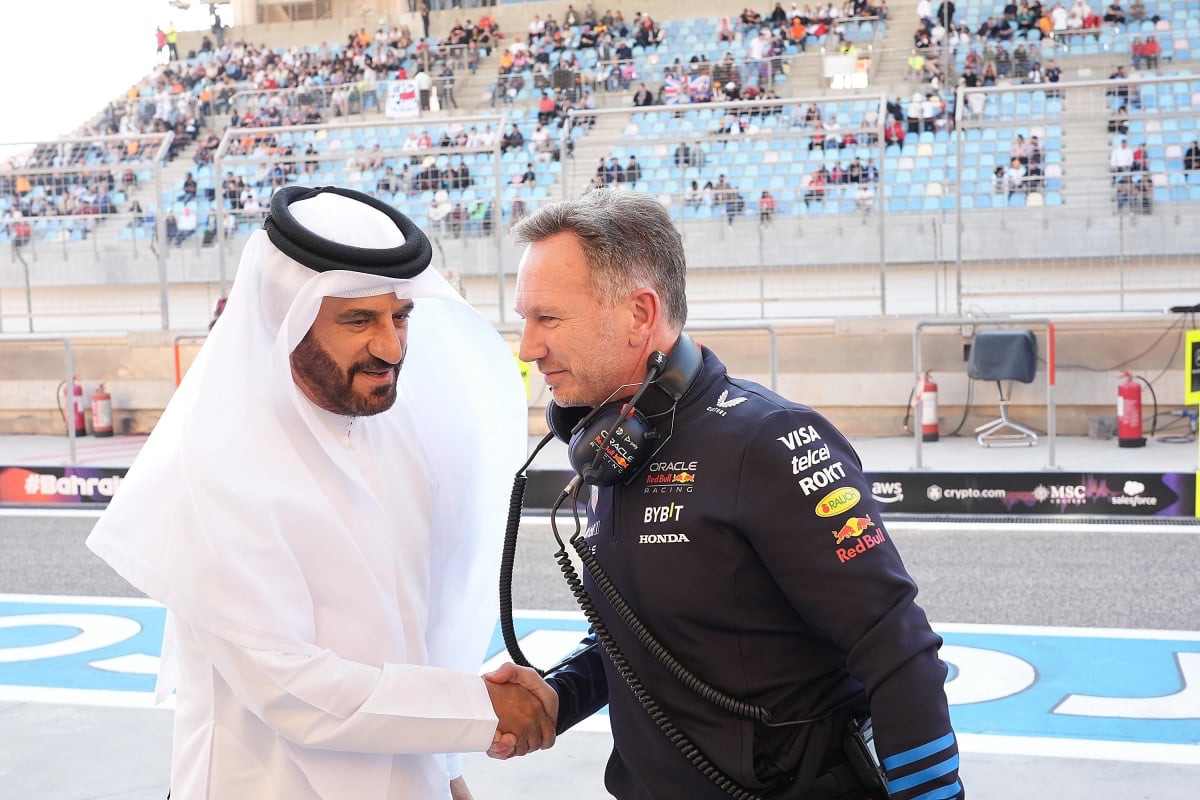
FIA president backs Christian Horner’s Formula 1 return as new developments emerge around potential move
Fresh momentum is building around the possible return of Christian Horner to Formula 1, with the sport’s governing body now openly expressing support for his comeback. The latest remarks from FIA president Mohammed Ben Sulayem have added significant weight to ongoing speculation, particularly as discussions continue over Horner’s next move within the paddock.
Horner, who previously served as team principal of Red Bull Racing for two decades, remains one of the most successful and recognizable figures in modern Formula 1 history. His departure in 2025 marked a major turning point for the sport, ending a long and decorated tenure that included multiple world championships and a sustained period of dominance. Despite being absent from the grid for nearly a year, his influence has not diminished, and conversations about his return have intensified in recent months.
The latest development comes from Ben Sulayem, who has made it clear that he would welcome Horner back into Formula 1. Speaking candidly, the FIA president emphasized that the sport has felt the absence of such a high-profile figure, noting that Horner’s contributions went beyond just results on track. According to him, personalities like Horner play a key role in shaping the competitive and commercial appeal of Formula 1, making his return both desirable and likely.
Ben Sulayem went even further by revealing that he has maintained regular contact with Horner since his departure. He described the Brit as someone deeply connected to the sport and suggested that his passion for Formula 1 has not waned. In his view, Horner’s eventual comeback is almost inevitable, framing it less as a question of “if” and more about “when.”
The FIA president also highlighted Horner’s legacy, pointing out that his achievements over the years cannot simply be erased. Under his leadership, Red Bull became one of the most dominant teams in Formula 1, producing championship-winning drivers and consistently competing at the highest level. That legacy, combined with his experience and reputation, makes him a valuable asset for any team looking to strengthen its leadership structure.
At the same time, Horner himself has remained relatively measured in his public comments. While he has been linked to several potential opportunities, including roles involving ownership or executive leadership, he has indicated that he is not rushing into any immediate decision. Reports suggest that he has been carefully evaluating his options, possibly waiting for the right project that aligns with his ambitions and long-term vision.
One of the most prominent links has been with Alpine, where a potential investment opportunity has attracted interest from multiple parties. Horner has reportedly been associated with a possible stake in the team, which could pave the way for his return in a leadership capacity. However, this situation is complicated by competing interests, including involvement from other major Formula 1 stakeholders, making the outcome far from certain.
This broader context has also sparked debate within the sport about issues such as multi-team ownership and competitive fairness. Ben Sulayem himself has expressed mixed views on such arrangements, acknowledging that while they may offer certain benefits, they also raise concerns about integrity and balance within the championship.
Despite these complexities, the FIA president’s stance on Horner remains clear: he believes the sport would benefit from his return. He even suggested that Horner’s absence feels temporary, likening his time away from Formula 1 to a short break rather than a permanent exit. This perspective reinforces the idea that Horner continues to be seen as a central figure in the sport’s ecosystem, even while on the sidelines.
Beyond the administrative and political angles, Horner’s potential comeback also carries significant sporting implications. His presence could influence team strategies, driver line-ups, and competitive dynamics across the grid. Given his track record, any team he joins would likely gain a considerable boost in terms of leadership and operational expertise.
There is also a broader narrative at play involving some of Formula 1’s biggest names, including Lewis Hamilton. While not directly tied to Horner’s potential move, Hamilton’s ongoing journey—particularly following his switch to Ferrari—adds another layer of intrigue to the evolving landscape of the sport. The combination of major driver movements and possible leadership changes highlights a period of transition within Formula 1, where established hierarchies are being challenged and reshaped.
For fans and analysts alike, the idea of Horner returning during such a transformative phase only adds to the excitement. His reputation for strategic thinking, media presence, and competitive drive ensures that his comeback would not go unnoticed. It could reignite rivalries, introduce new storylines, and further intensify the already high stakes of the championship.
Importantly, Horner’s situation also reflects the broader realities of Formula 1 as both a sport and a business. Leadership roles at this level require not only technical expertise but also the ability to navigate complex commercial and political environments. Horner has demonstrated these skills throughout his career, which is why he continues to attract interest despite his recent absence.
In conclusion, the growing support from the FIA president marks a significant development in the ongoing story of Christian Horner’s potential return to Formula 1. With his gardening leave now over and multiple opportunities potentially on the horizon, the conditions are aligning for a comeback that many believe is inevitable. Backed by one of the sport’s most powerful figures and driven by his own desire to return, Horner appears poised to re-enter the Formula 1 world sooner rather than later.
As the situation continues to evolve, all eyes will remain on where—and how—he ultimately makes his return. Whether through team ownership, a principal role, or another executive position, one thing is increasingly clear: Christian Horner’s story in Formula 1 is far from finished.