more
A decade ago, Formula 1 witnessed a bold and controversial decision that would go on to reshape the sport’s competitive landscape. On May 5, 2016, Max Verstappen was dramatically promoted to Red Bull Racing, replacing Daniil Kvyat in a move that stunned fans and insiders alike.
While the announcement came early in the 2016 season, the groundwork for Verstappen’s rise had been laid much earlier. Back in 2014, both Mercedes-AMG Petronas Formula One Team and Red Bull were competing to secure the signature of the highly rated Dutch teenager. Ultimately, Red Bull won that battle by offering something Mercedes could not—a direct and structured path into Formula 1 through its junior system, including Scuderia Toro Rosso.
Verstappen made his F1 debut in 2015 with Toro Rosso and quickly impressed. Despite his young age, he delivered standout performances, including two fourth-place finishes at the Hungarian and United States Grands Prix. These results signaled his immense potential and marked him as one of the most exciting prospects in the sport.
Just four races into the 2016 season, Red Bull made its decisive move. Verstappen was promoted to the senior team, while Kvyat was demoted back to Toro Rosso. The timing raised eyebrows, particularly because Kvyat had not been performing poorly. In fact, during the 2015 season, he had finished ahead of his more experienced teammate Daniel Ricciardo in the drivers’ standings. He had also started 2016 strongly, even securing a podium finish at the Chinese Grand Prix.
However, the turning point came at the Russian Grand Prix. On the opening lap, Kvyat collided twice with the Ferrari of Sebastian Vettel, triggering chaos and criticism. The incident proved costly, not just for the race but for his Red Bull future. Former world champion Jacques Villeneuve later suggested that the clash provided Red Bull with the justification it needed to make a change it had likely been considering already.
Within days of that race, the decision was finalized. Christian Horner, Red Bull’s team principal at the time, praised Verstappen’s rapid development and described him as an “outstanding young talent.” He emphasized that Red Bull’s unique driver program allowed flexibility in rotating drivers between its teams, framing the move as an opportunity for both drivers—promotion for Verstappen and a chance for Kvyat to rebuild at Toro Rosso.
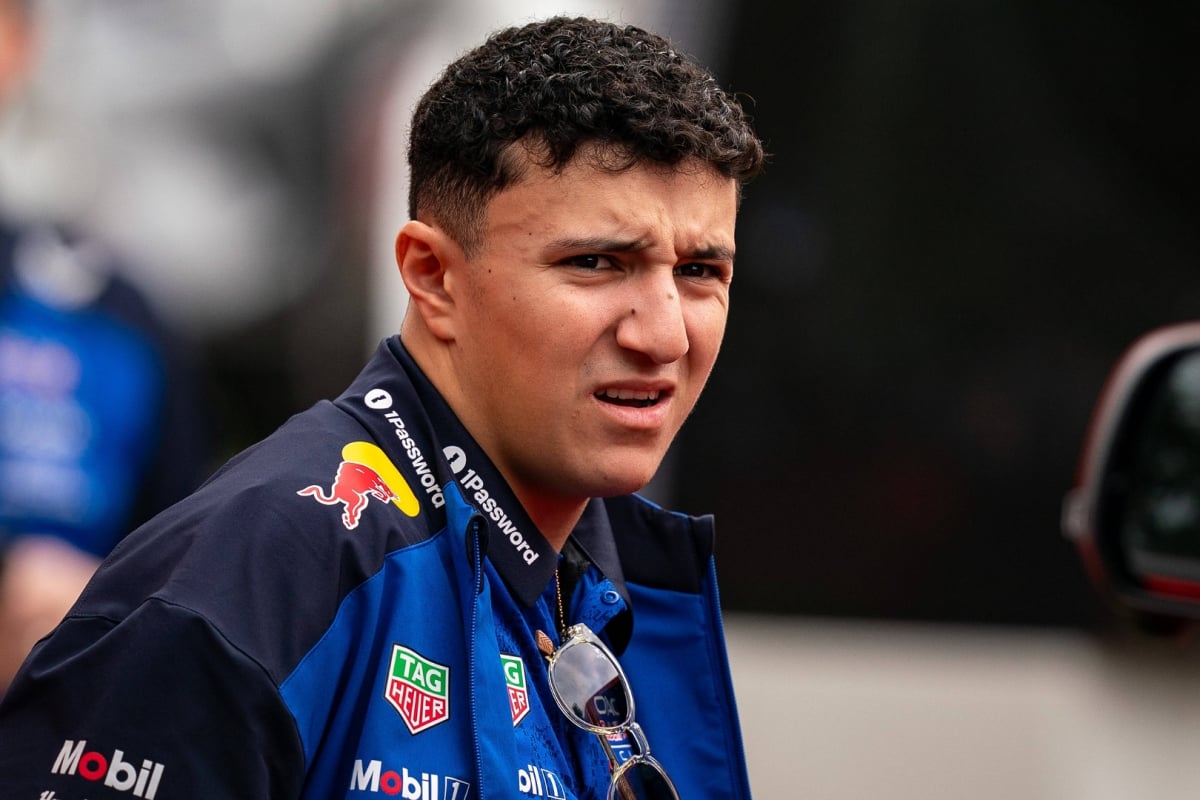
In reality, the consequences for Kvyat were severe. The demotion appeared to dent his confidence significantly. Although he continued racing for Toro Rosso, his form never fully recovered. He was eventually dropped in 2017, briefly returning for a one-off race before making a short-lived comeback in 2019. By the end of 2020, his Formula 1 career had come to an end.
Verstappen’s story, however, unfolded in the opposite direction. His promotion paid off immediately—he won his very first race for Red Bull at the Spanish Grand Prix, becoming the youngest race winner in Formula 1 history at the time. That victory marked the beginning of a remarkable career trajectory.
Over the following years, Verstappen established himself as one of the sport’s elite drivers, consistently challenging for wins and championships. What initially seemed like a ruthless and risky decision by Red Bull ultimately proved visionary, laying the foundation for one of the most dominant forces in modern Formula 1.
Looking back ten years later, the driver swap stands as one of the most pivotal moments in recent F1 history—a decision that not only altered two careers but also helped define an era.