Former Formula 1 driver Juan Pablo Montoya has sparked major debate in the motorsport world after suggesting that reigning world champion Max Verstappen should face a race suspension due to his ongoing criticism of the sport’s new regulations.
Montoya’s comments come amid growing tension surrounding the sweeping rule changes introduced for the 2026 Formula 1 season. These new regulations, which significantly alter how cars deploy hybrid power and manage energy, have been met with mixed reactions across the grid. However, Verstappen has emerged as one of the most vocal and persistent critics, repeatedly voicing frustration about what he sees as a negative direction for the sport.
The Dutch driver has not held back in his assessment. Over recent months, he has described the current Formula 1 machinery as “anti-racing” and even compared it to “Formula E on steroids.” At one point, he jokingly remarked that racing under the new system felt more like playing a video game than competing in elite motorsport. While some fans and analysts have viewed these remarks as candid and refreshing, others—like Montoya—believe they cross a line.
According to Montoya, there is a clear distinction between constructive criticism and what he perceives as disrespect toward the sport. Speaking on the BBC’s Chequered Flag podcast, the former Williams and McLaren driver emphasized that drivers have every right to express dissatisfaction with regulations, but they must do so responsibly.
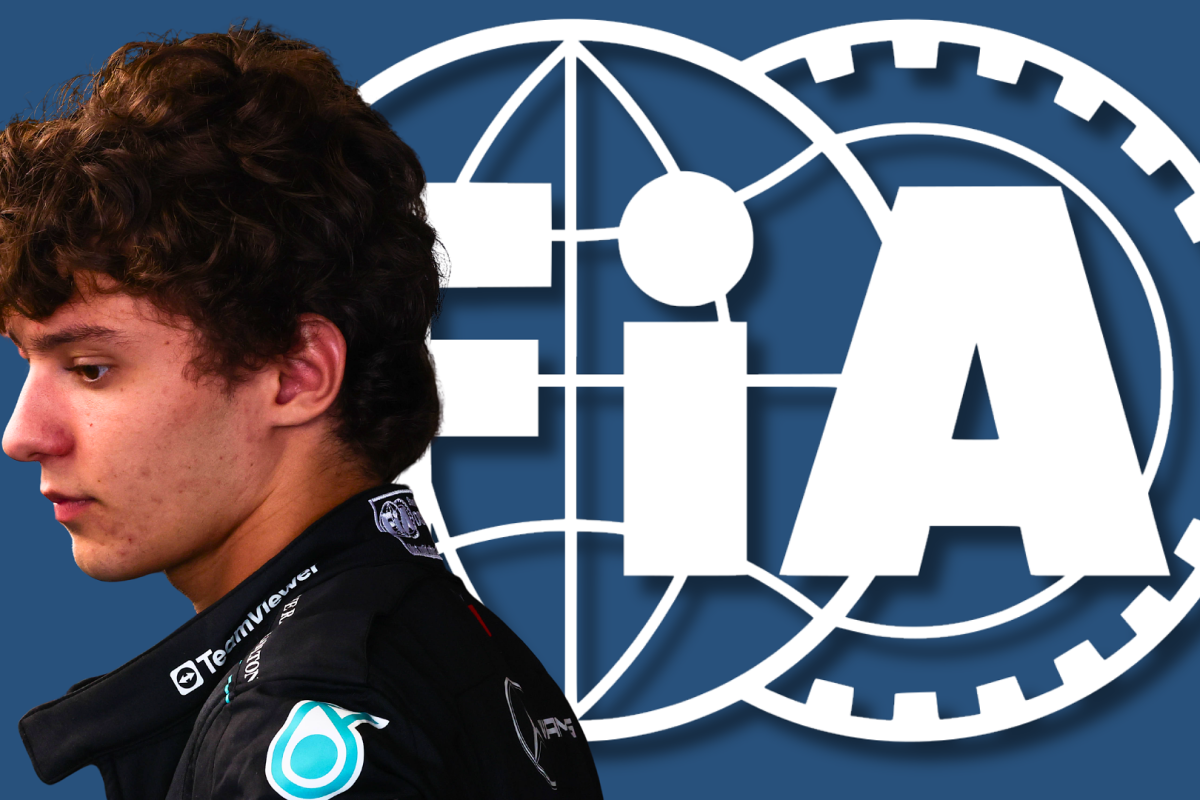
Montoya argued that Verstappen’s tone and repeated public complaints undermine Formula 1’s image and could influence how fans perceive the sport. In his view, allowing such comments to go unchecked risks damaging the credibility and prestige of Formula 1. As a result, he proposed that the FIA—the sport’s governing body—should take firm action.
One of Montoya’s most striking suggestions was that Verstappen should be given a significant number of penalty points on his FIA super licence. In Formula 1, drivers accumulate penalty points for on-track incidents, and reaching 12 points results in an automatic one-race ban. Montoya believes that adding a large number of points—potentially seven or eight—would send a strong message and push Verstappen dangerously close to suspension territory.
In fact, Montoya went as far as to say that Verstappen should effectively be “parked,” meaning sidelined from competition if necessary. His reasoning is that such a decisive move would immediately change how drivers communicate their concerns publicly. He insists that stronger discipline would encourage more constructive dialogue rather than what he sees as damaging rhetoric.
It is worth noting that Verstappen is not currently at the penalty threshold for a ban. The Red Bull driver reportedly has a small number of points on his licence from previous incidents, meaning any additional penalties would need to be substantial to trigger an automatic suspension. Still, Montoya’s comments highlight a broader frustration among some former drivers and insiders regarding the tone of modern criticism in Formula 1.
The controversy comes at a time when the sport is already undergoing a transitional phase. The 2026 regulations were designed to promote sustainability and innovation, with a greater emphasis on electric power. However, many drivers have complained that the new system complicates racing, particularly due to energy management constraints that can force drivers to slow down at certain points on the track.
Verstappen has repeatedly pointed out these issues, arguing that they detract from the essence of racing. Even after the FIA made adjustments ahead of recent races, including the Miami Grand Prix, he maintained that the problems persist. He described the experience as “punishing,” suggesting that drivers are forced into unnatural driving patterns to manage energy effectively.
Despite these concerns, Montoya believes the manner of criticism is just as important as the content. He has stressed that while it is acceptable to disagree with regulations, publicly ridiculing the sport or comparing it to arcade-style gaming undermines its legitimacy. In his opinion, drivers should work collaboratively with teams and governing bodies to propose solutions rather than airing grievances in a way that could harm Formula 1’s reputation.
The debate has also divided fans and the wider F1 community. Some supporters argue that Verstappen is simply being honest and voicing concerns that many drivers share privately. Others agree with Montoya’s stance, suggesting that a more measured and respectful approach would be beneficial for the sport’s long-term image.
This situation reflects a deeper tension within Formula 1 as it balances tradition with innovation. The push toward more sustainable technology has inevitably introduced complexities that not all drivers welcome. As one of the sport’s most influential figures, Verstappen’s opinions carry significant weight, which is why his criticism has attracted so much attention.
Montoya’s call for a suspension may be seen by some as extreme, but it underscores how seriously he views the issue of respect within the sport. Whether or not the FIA takes any action, the controversy has already ignited important discussions about freedom of expression, professionalism, and the evolving identity of Formula 1.
Ultimately, the clash between Montoya and Verstappen highlights two contrasting perspectives: one advocating for stricter discipline to protect the sport’s image, and the other emphasizing the right of drivers to speak openly about their experiences. As the 2026 season unfolds, it remains to be seen whether this debate will influence how drivers, teams, and officials approach public criticism in the future.