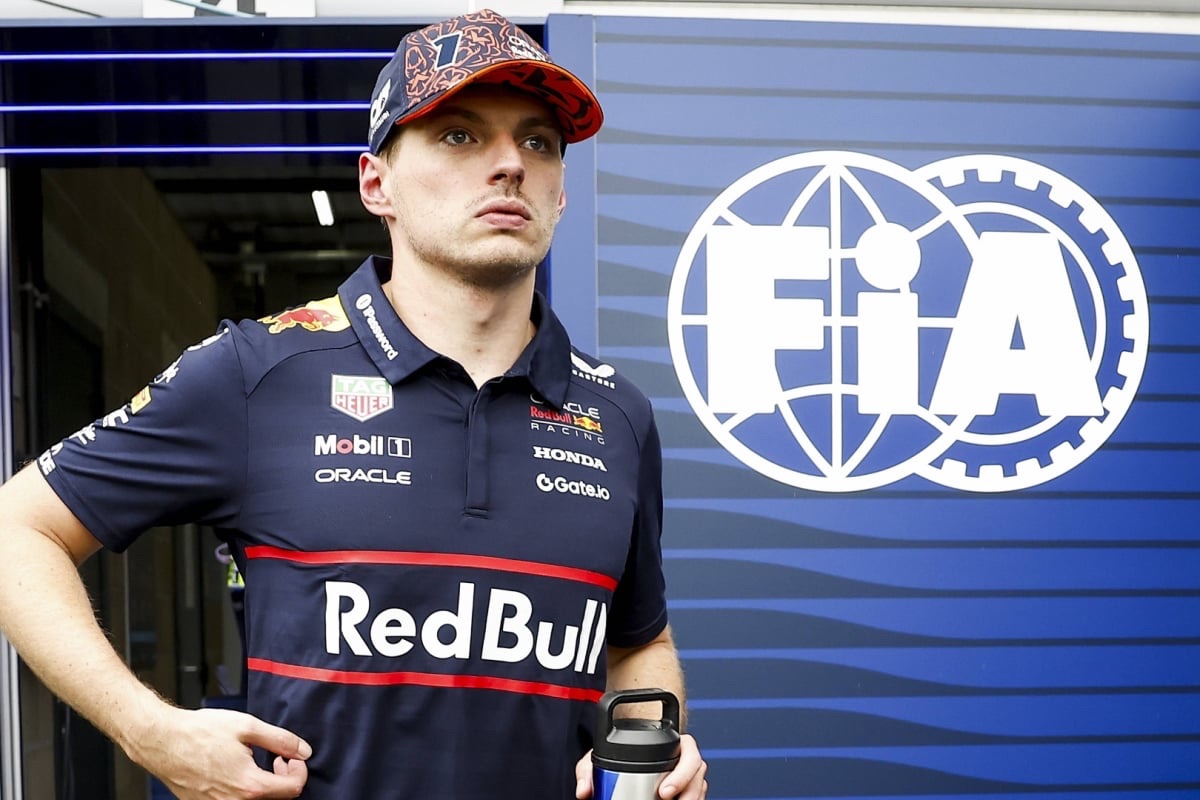
Max Verstappen and Red Bull have been dealt another significant setback in what is rapidly becoming a frustrating 2026 Formula 1 season. The latest development comes after an FIA ruling that could leave the Milton Keynes-based team at a disadvantage while their rivals gain opportunities to improve.
After narrowly missing out on a fifth consecutive world championship in 2025, Verstappen entered the new season hoping to return to title contention. However, Red Bull’s RB22 has struggled badly, lacking both pace and reliability compared to the front-running teams. The Dutch driver has managed only one podium finish so far this year, achieved at the Canadian Grand Prix, and currently sits seventh in the drivers’ standings, a massive 113 points behind championship leader Kimi Antonelli.
The Monaco Grand Prix weekend summed up Red Bull’s difficult campaign. Verstappen started from the front row alongside Antonelli and appeared to have a genuine chance of challenging for victory. Instead, disaster struck almost immediately when his car suffered a poor getaway from the grid. The issue forced Red Bull to bring the car into the pits before the end of the opening lap, resulting in an early retirement and another painful blow to Verstappen’s championship hopes.
However, the bad news did not end there.
During the Monaco weekend, Formula 1’s governing body, the FIA, completed its assessment of the new power units under the Additional Development and Upgrade Opportunities (ADUO) regulations. The findings produced a surprising outcome that has left many within the paddock stunned.
According to the FIA’s analysis, the Red Bull Powertrains engine, developed in partnership with Ford, has been classified as the benchmark power unit on the grid. While being recognised as the strongest engine might initially seem like positive news, the ruling actually limits Red Bull’s ability to make further performance gains.
Under the ADUO system, manufacturers deemed to be behind the benchmark are granted additional opportunities to develop and upgrade their engines. Because Red Bull’s power unit has been rated as the leading package, the company will receive no extra development allowances.
The decision has surprised many observers, particularly because Mercedes-powered teams have dominated the season so far, winning every race. Even Red Bull team principal Laurent Mekies had previously suggested that Mercedes held a clear advantage in engine performance.
Instead, Mercedes-powered teams, including McLaren, Williams, Alpine and Mercedes itself, will receive upgrade opportunities after being judged slightly behind the benchmark. Ferrari-powered teams, Audi and Honda-powered Aston Martin will receive even greater flexibility to improve their power units.
The FIA’s findings mean that while Red Bull and Racing Bulls must continue with their current engine specification, rival manufacturers can make targeted improvements over the coming seasons. This could gradually reduce any power advantage Red Bull currently possesses.
For Verstappen, the timing could hardly be worse. With the RB22 already struggling for competitiveness and reliability, Red Bull must now focus on extracting performance from other areas of the car rather than relying on engine development. Meanwhile, their rivals have been handed valuable opportunities to close the gap.
As the season progresses, Red Bull faces the difficult task of turning around its fortunes while knowing that much of the competition still has room for further improvement. For Verstappen, the road back to championship contention appears steeper than ever.