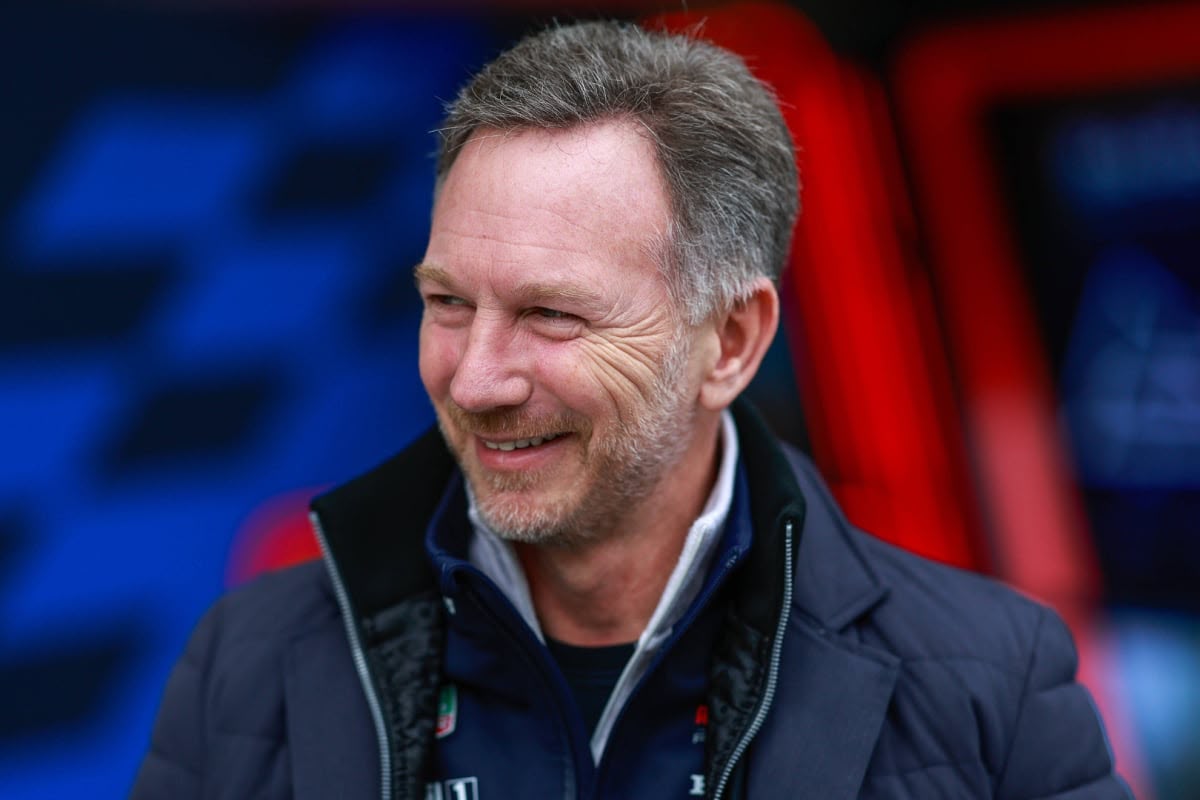

Following a dramatic exit from Formula 1, Christian Horner has finally taken a significant step forward in his professional career, expressing genuine enthusiasm about embarking on a completely new chapter outside the traditional F1 paddock. The former Red Bull team principal, who spent two decades at the helm of one of the sport’s most successful teams, is now embracing a fresh challenge that shifts his focus away from race strategy and into the world of sports investment and business development.
Horner’s departure from Red Bull in 2025 sent shockwaves throughout Formula 1. Having been one of the longest-serving and most influential figures in the sport, his sudden removal marked the end of an era. Over his 20-year tenure, he transformed Red Bull Racing into a dominant force, guiding the team to multiple Drivers’ and Constructors’ Championships and overseeing the rise of legendary talents. His leadership style, often described as bold and commercially astute, made him a central figure in the sport’s modern history.
Now, less than a year after leaving that high-profile role, Horner has stepped into a new position as an advisor for a major private equity firm, Oakley Capital. This move signals a shift in direction—from the adrenaline-fueled world of motorsport competition to the strategic and financial side of global sports enterprises. The London-based investment firm has been expanding its footprint in the sports industry, and Horner’s appointment is seen as a strategic effort to leverage his vast experience and industry insight.
In his first official comments about the role, Horner made it clear that he is excited about the opportunities ahead. He highlighted the rapid growth of sports-related businesses worldwide, noting that increasing participation rates and global audiences are driving significant investment potential. According to him, more people are embracing active lifestyles, which in turn is boosting the value and visibility of sports ventures across different sectors.
Horner also spoke highly of Oakley Capital’s leadership, particularly praising their approach to nurturing ambitious, founder-led companies. He emphasized that he has long admired the firm’s strategy and expressed eagerness to contribute his knowledge to help identify and grow promising sports-related businesses. His role will involve advising on investments, helping to spot opportunities, and supporting the development of emerging ventures within the sports and consumer industries.
From Oakley Capital’s perspective, bringing Horner on board is a calculated move aimed at strengthening its position in a competitive market. The firm’s leadership believes that Horner’s track record speaks for itself. Having successfully managed one of the most competitive teams in motorsport, he brings not only leadership experience but also a deep understanding of branding, sponsorship, and commercial growth.
The company has already invested in various sports-related ventures, including sailing and other high-growth athletic sectors. With Horner’s guidance, it aims to expand further into areas that offer strong long-term returns and untapped commercial potential. His ability to recognize value and build successful structures is expected to play a crucial role in shaping future investment decisions.
Despite his new role outside Formula 1, speculation about Horner’s eventual return to the sport has not disappeared. In fact, his involvement in business and investment circles may even open new pathways back into F1 in a different capacity. Reports suggest that he has been linked with potential ownership opportunities, including interest in acquiring a stake in an existing team. There have also been discussions involving new manufacturers exploring entry into the sport, with Horner potentially playing a leadership role in such projects.
These rumors underline the fact that Horner remains a highly sought-after figure within motorsport. His combination of technical understanding, leadership ability, and commercial acumen makes him a valuable asset not only on the pit wall but also in the boardroom. While he is currently focused on his advisory position, many believe it is only a matter of time before he reappears in Formula 1 in some capacity.
Interestingly, Horner’s career shift comes at a time when the relationship between Formula 1 and the broader sports business landscape is evolving rapidly. Investment firms, automotive giants, and technology companies are increasingly looking at F1 as a platform for innovation and global exposure. This trend aligns perfectly with Horner’s new responsibilities, positioning him at the intersection of sport and business.
His departure from Red Bull may have been unexpected, but it has clearly not diminished his influence or ambition. If anything, it has allowed him to explore new avenues and expand his impact beyond the confines of a single team. By stepping into the world of private equity, Horner is effectively broadening his horizons while still remaining connected to the sports industry he knows so well.
Meanwhile, developments within Formula 1 continue to unfold, including changes within teams like Mercedes and ongoing driver market movements. Although Horner is no longer directly involved in these day-to-day racing decisions, his name continues to surface in discussions about the sport’s future. His legacy at Red Bull ensures that he remains a central figure in any conversation about leadership and success in Formula 1.
Ultimately, Horner’s new role represents both a fresh start and a continuation of his career in a different form. While he may no longer be calling race strategies on a Sunday afternoon, he is now applying his expertise to shaping the future of sports businesses on a global scale. His excitement about the position reflects a readiness to embrace change and a confidence in his ability to succeed in a new environment.
As the motorsport world watches closely, one thing is certain: Christian Horner’s journey is far from over. Whether through investment, team ownership, or a potential return to the F1 paddock, his influence on the sport—and the wider sports industry—is likely to continue for years to come.