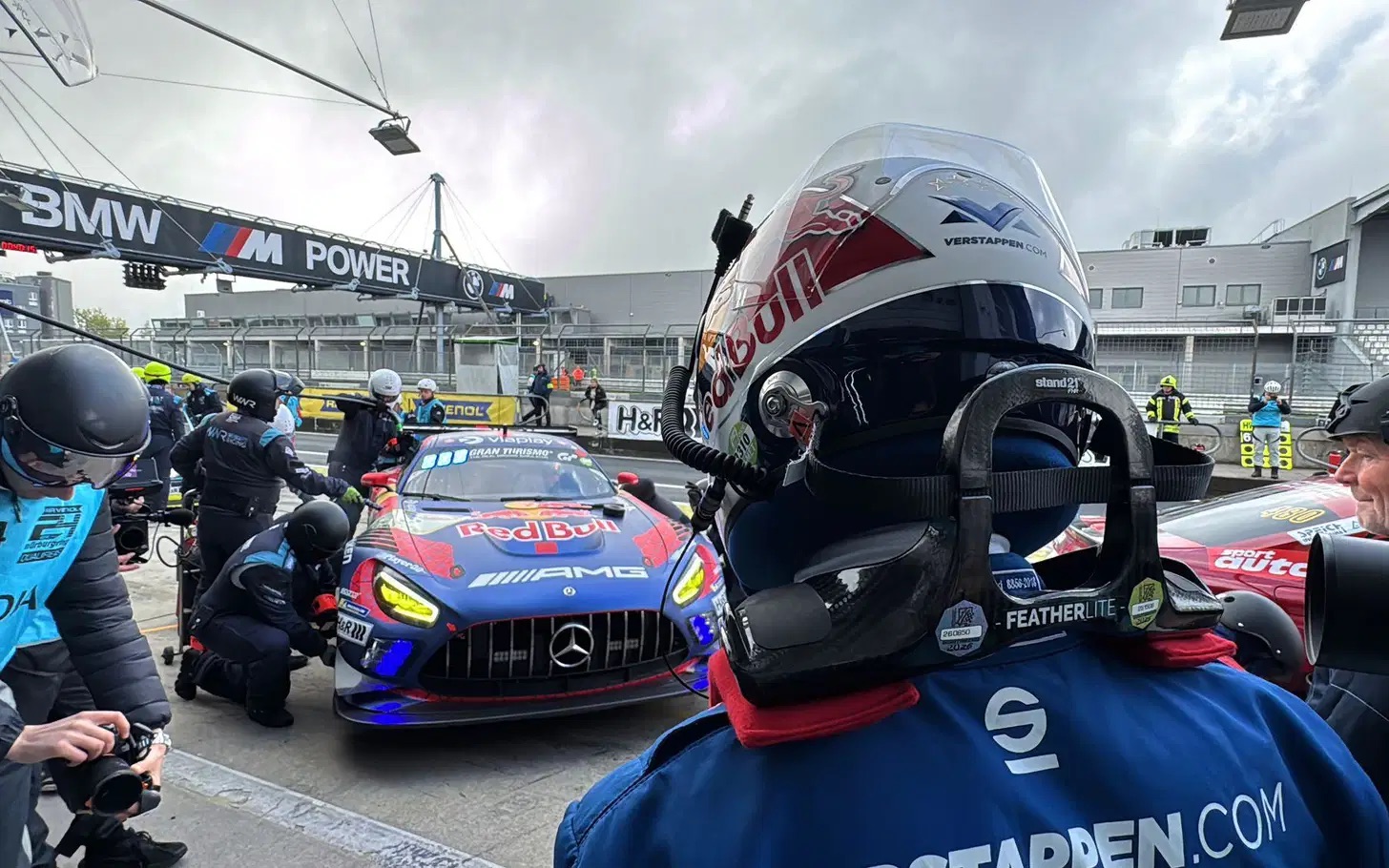
A GT racing driver has been hit with one of the harshest penalties in motorsport after a dangerous violation during a high-profile session at the Nurburgring Nordschleife. The incident, which took place during qualifying for the Nurburgring 24 Hours qualifiers, has reignited debate around safety standards at one of the world’s most unforgiving circuits.
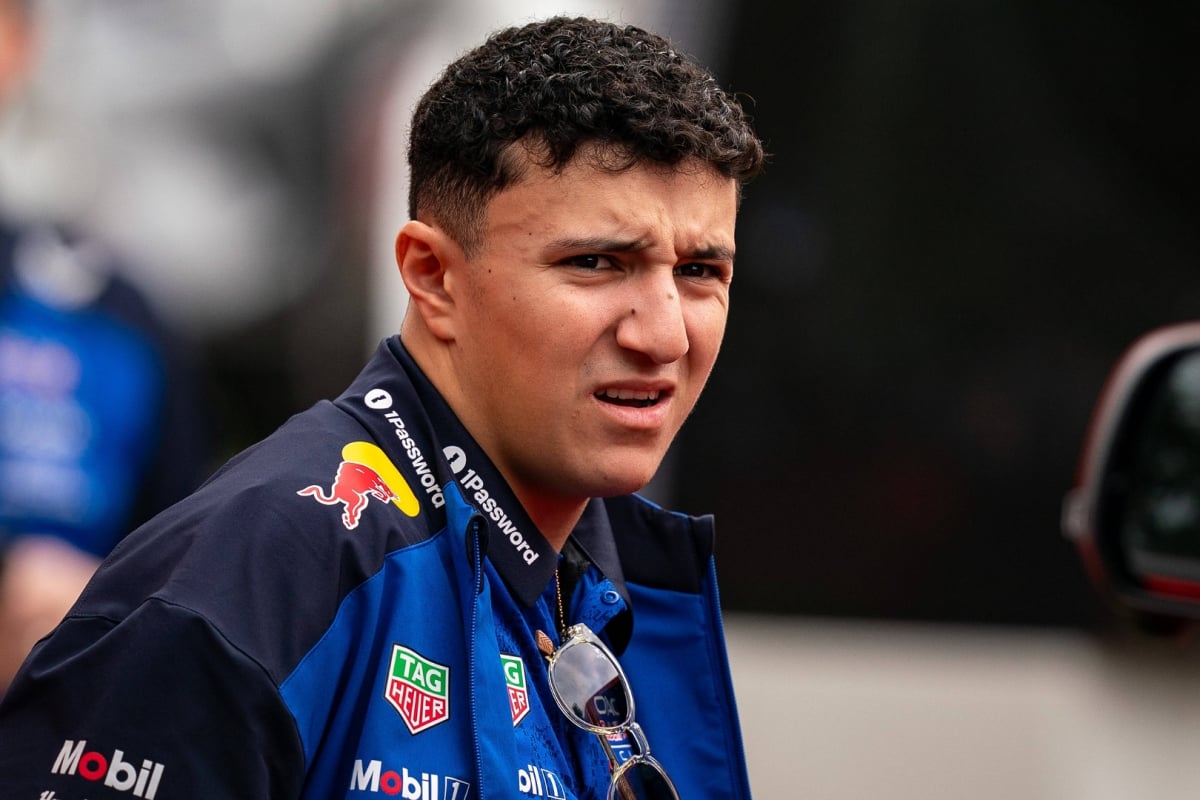
The driver involved, Oleksandr Kosohov, was competing with a GT team as part of preparations for the iconic endurance event. Officials ruled that Kosohov committed a severe breach of racing regulations that posed an unacceptable risk to driver safety and the integrity of the session. The stewards’ decision was swift and decisive.
According to the official report, the violation occurred when Kosohov sped through a sector of the track that was under double yellow flag conditions. Data showed he was travelling at roughly 201 km/h despite clear instructions requiring drivers to reduce speed substantially and be prepared to stop. The section was flagged due to a hazardous situation on track, which could have included debris, a stationary car, or marshals working trackside.
In motorsport, double yellow flags are among the most serious warnings a driver can face. They signal immediate danger and mandate that competitors slow down significantly, maintain heightened awareness, and be ready to come to a complete stop if needed. Ignoring double yellows is viewed as one of the most serious offenses in racing because it endangers not only the driver who breaches the rule, but also marshals, recovery crews, and fellow competitors who may be stationary or moving slowly in the zone.
Stewards reviewed telemetry and onboard footage following the session and concluded that Kosohov’s actions left no room for leniency. The breach was judged to be a blatant disregard for one of the sport’s core safety protocols. As a result, they imposed the strongest sanction available to them: immediate revocation of his Nordschleife racing licence.
Losing a Nordschleife permit is a major blow for any driver. The Nurburgring Nordschleife is nicknamed the “Green Hell” for good reason. Spanning 12.9 miles through the Eifel forests, it combines 73 corners, massive elevation changes, blind crests, and sections with minimal run-off. Weather can shift from dry to wet within minutes across the lap. Because of these unique challenges, drivers cannot simply arrive and race. They must hold a special permit that proves they understand the circuit’s regulations, safety procedures, and specific risks. The licensing process includes training, assessments, and a strict code of conduct once on track.
By stripping Kosohov of that licence, officials have barred him from taking part in any further sessions or races at the circuit until he completes the required process to reapply, if permitted. For a GT driver targeting endurance events like the Nurburgring 24 Hours, the penalty is both a professional and reputational setback. Teams rely on drivers who can be trusted to execute under pressure while respecting safety rules. A licence revocation raises questions about judgement and discipline.
The ruling also sends a clear message to the wider paddock. The Nurburgring operates with zero tolerance for flag violations because the consequences can be fatal. With cars running at vastly different speeds in multi-class endurance racing, and with marshals often on track to recover stricken vehicles, compliance with yellow flags is non-negotiable. A car arriving at 201 km/h into a danger zone removes any margin for error.
This is not the first time the Nordschleife’s strict enforcement has made headlines, and it likely will not be the last. The circuit’s management and the German motorsport federation DMSB have emphasized driver education and accountability in recent years, especially as lap times fall and traffic density increases during big events.
For Kosohov, the path back will require more than just an application. Regaining a Nordschleife licence typically involves retraining, reassessment, and demonstrating an understanding of why the rule exists. Until then, his team will need to adjust its driver lineup for any Nurburgring commitments.
The incident serves as a stark reminder: at the Green Hell, respect for the rules is as important as outright pace. Talent behind the wheel means little without the discipline to lift when the flags say so. As the 24 Hours qualifying weekend continues, the focus returns to racing, but with renewed awareness that safety protocols at the Nordschleife are not guidelines. They are lifelines.