A GT racing driver has been handed a severe penalty after committing a major safety violation during a high-profile session at the legendary Nürburgring Nordschleife. The incident, which unfolded during qualifying for an endurance racing event, has sparked renewed attention on the strict safety protocols enforced at one of the most dangerous and demanding circuits in motorsport.
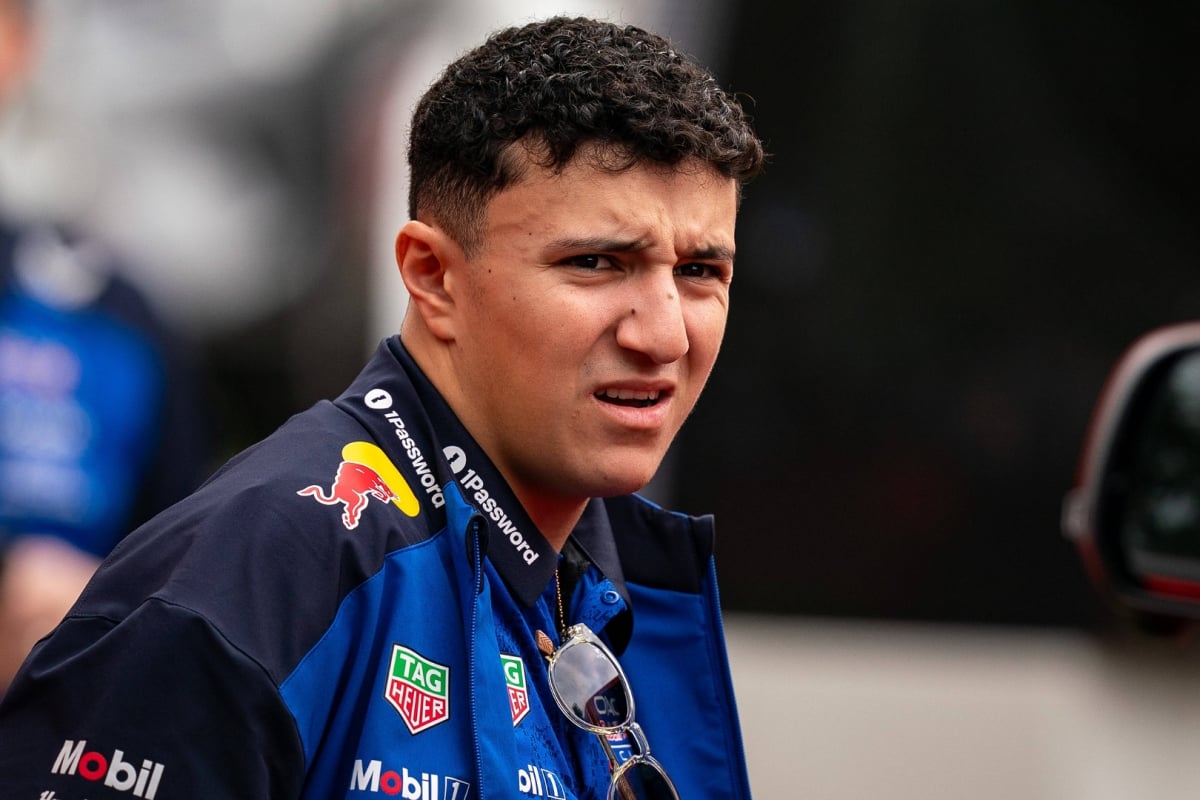
The driver in question, Oleksandr Kosohov, was competing as part of a GT team during preparations for the Nürburgring 24 Hours qualifiers. While taking part in the session, Kosohov was found to have committed a serious breach of racing regulations—one that officials deemed unacceptable given the potential consequences for driver safety and race integrity.
According to race officials, the violation occurred when Kosohov drove at an excessively high speed through a section of the track that was under double yellow flag conditions. Specifically, he was recorded traveling at approximately 201 km/h despite clear warnings that required drivers to slow down significantly and exercise caution.
In motorsport, double yellow flags are among the most critical warning signals. They indicate that there is a hazardous situation on the track—such as an accident, debris, or stranded vehicles—and that drivers must reduce speed immediately and be prepared to stop if necessary. Ignoring such signals is considered one of the gravest infractions a driver can commit, as it endangers not only the offending driver but also marshals, fellow competitors, and anyone else in the affected area.
Kosohov’s failure to comply with these safety requirements did not go unnoticed. Race stewards acted swiftly after reviewing the incident, concluding that the breach was serious enough to warrant the harshest possible disciplinary action within their authority. As a result, he was immediately stripped of his Nordschleife racing licence, effectively barring him from participating in further sessions or races at the circuit.
The decision to revoke a Nordschleife licence is not taken lightly. The Nürburgring Nordschleife, often referred to as the “Green Hell,” is widely regarded as one of the most challenging and unforgiving race tracks in the world. Its long layout, unpredictable weather conditions, and high-speed sections demand exceptional discipline and adherence to rules. To compete there, drivers must obtain a special permit that confirms they understand the circuit’s unique risks and regulations. Losing that licence is therefore a significant setback, both professionally and reputationally.
Kosohov had been driving for Mühlner Motorsport in a Porsche Cayman GT4 CS during the session in question. The team, like many others competing in endurance racing, relies heavily on precision, coordination, and strict compliance with safety standards. Incidents such as this not only affect the individual driver but can also cast a shadow over the team’s overall performance and credibility.
This event also took place against the backdrop of an already tense and emotional race weekend. Motorsport events at the Nürburgring are known for their intensity, and any breach of safety rules becomes even more significant when the stakes are high. The enforcement of strict penalties in such cases serves as a reminder that no level of competition justifies compromising safety.
Stewards and race organizers emphasized that their decision was rooted in the need to uphold the integrity of the sport and to protect everyone involved. Allowing such a violation to go unpunished could set a dangerous precedent, potentially encouraging other drivers to take similar risks. By taking decisive action, officials reinforced the message that safety regulations are non-negotiable.
The broader motorsport community often debates the balance between competitive intensity and regulatory enforcement. However, incidents like this highlight why strict oversight is essential. Racing at circuits like the Nordschleife inherently carries significant risks, and even minor lapses in judgment can have catastrophic consequences. As a result, governing bodies maintain a zero-tolerance approach to breaches involving safety flags.
For Kosohov, the consequences extend beyond the immediate loss of his licence. Such disciplinary actions can impact a driver’s future opportunities, as teams and sponsors closely monitor adherence to safety standards. Rebuilding trust within the racing community may take time, especially after an incident that attracted widespread attention.
Meanwhile, the decision serves as a cautionary tale for other drivers participating in endurance racing events. It underscores the importance of situational awareness and strict compliance with track signals, particularly during qualifying sessions where drivers often push their limits in pursuit of faster lap times.
Ultimately, this incident reinforces a fundamental principle of motorsport: while speed and performance are central to the sport, safety must always come first. The Nürburgring Nordschleife, with its storied history and demanding layout, continues to test drivers not only in terms of skill but also discipline. Those who fail to respect its rules face swift and severe consequences, as demonstrated in this case.
In conclusion, the revocation of Oleksandr Kosohov’s Nordschleife licence highlights the uncompromising stance taken by race officials when it comes to safety violations. By exceeding speed limits under double yellow flag conditions, he breached one of the most critical rules in racing, leading to immediate and significant repercussions. The incident stands as a powerful reminder that in motorsport, adherence to safety protocols is paramount, and any deviation can have lasting consequences both on and off the track.