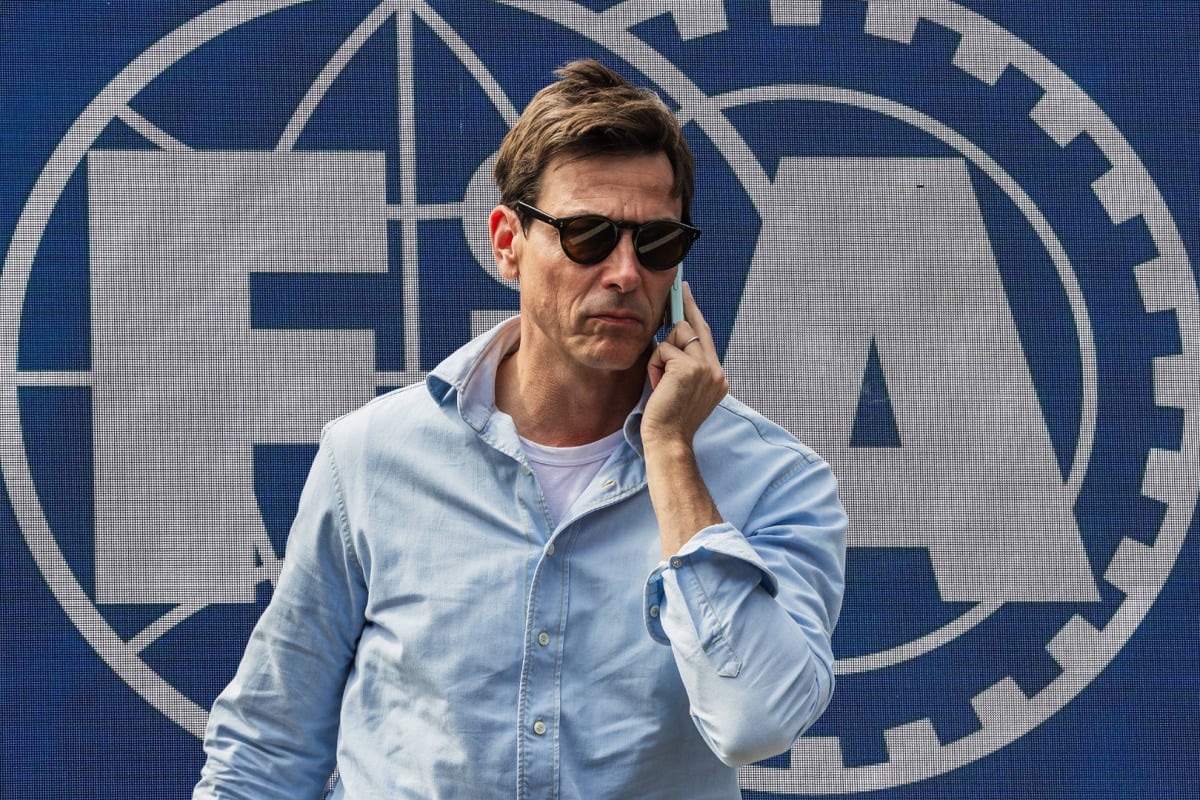
The controversy surrounding the 2026 Monaco Grand Prix continues to escalate, with Mercedes team principal Toto Wolff confirming that the team is consulting its legal department over the FIA’s handling of the race’s pit-lane speeding penalties.
Although the Monaco Grand Prix concluded several days ago, the final classification remains under intense scrutiny after a series of penalties handed out during the race triggered widespread debate across the Formula 1 paddock. The situation has become even more complicated following revelations that there may have been a problem with the FIA’s pit-lane speed-limiter system, raising doubts about whether the sanctions imposed on multiple drivers were justified.
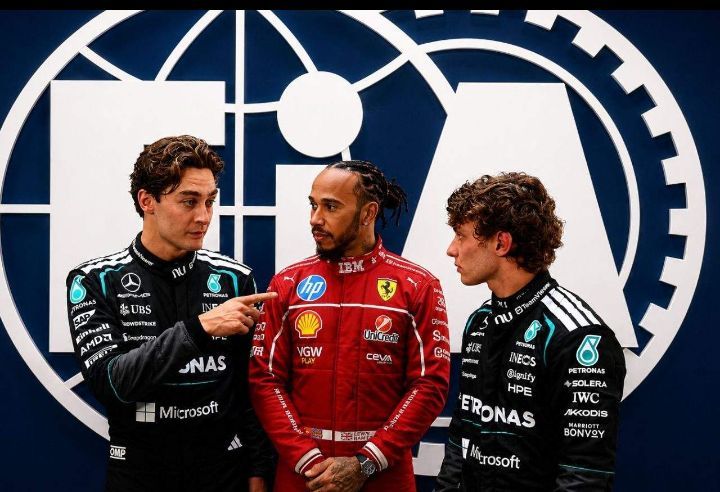
During the race, five drivers were penalized for exceeding Monaco’s strict 60 km/h pit-lane speed limit. Among those affected was seven-time world champion Lewis Hamilton, who received a penalty after being recorded at just 0.1 km/h above the limit. The narrow margins involved immediately sparked questions from teams and observers, many of whom argued that such minor infringements appeared unusually harsh.
Concerns first emerged while the race was still in progress, as teams examined telemetry data and attempted to understand how several drivers could have breached the speed limit by such tiny amounts. In the days following the event, attention turned toward the pit-lane speed-limiter system itself, with reports indicating that technical issues may have affected the measurements used by race officials.
Those developments have prompted a wave of reactions from teams across the grid. Mercedes is among the organizations now seeking greater transparency regarding the FIA’s procedures and the evidence used to support the penalties. Wolff acknowledged that discussions are taking place internally and confirmed that the team’s legal experts are reviewing the situation as they attempt to understand the full implications of the governing body’s decisions.
The matter has become particularly significant because the penalties influenced the finishing order of the race and potentially affected the championship standings. Any suggestion that the speed-limiter system was not functioning correctly could have major consequences for the validity of the results and the fairness of the sanctions imposed.
The FIA has already faced growing pressure from teams to provide a detailed explanation of what occurred in Monaco. Several competitors are reportedly examining their options, while others are waiting for further technical information before deciding whether to pursue formal action.
For Mercedes, the focus remains on obtaining clarity rather than rushing to conclusions. However, Wolff’s decision to involve legal advisers highlights the seriousness with which the team views the issue. The Austrian believes that teams and drivers deserve confidence that penalties are based on reliable and accurate data, particularly when race results and championship points are at stake.
As Formula 1 heads to the next round of the season, the Monaco controversy shows no sign of disappearing. With investigations continuing and teams demanding answers, the fallout from one of the most dramatic and disputed races of the year could continue to reshape the narrative of the championship. The FIA now faces mounting pressure to explain exactly what went wrong and whether any further changes to the Monaco Grand Prix result could still be on the horizon.