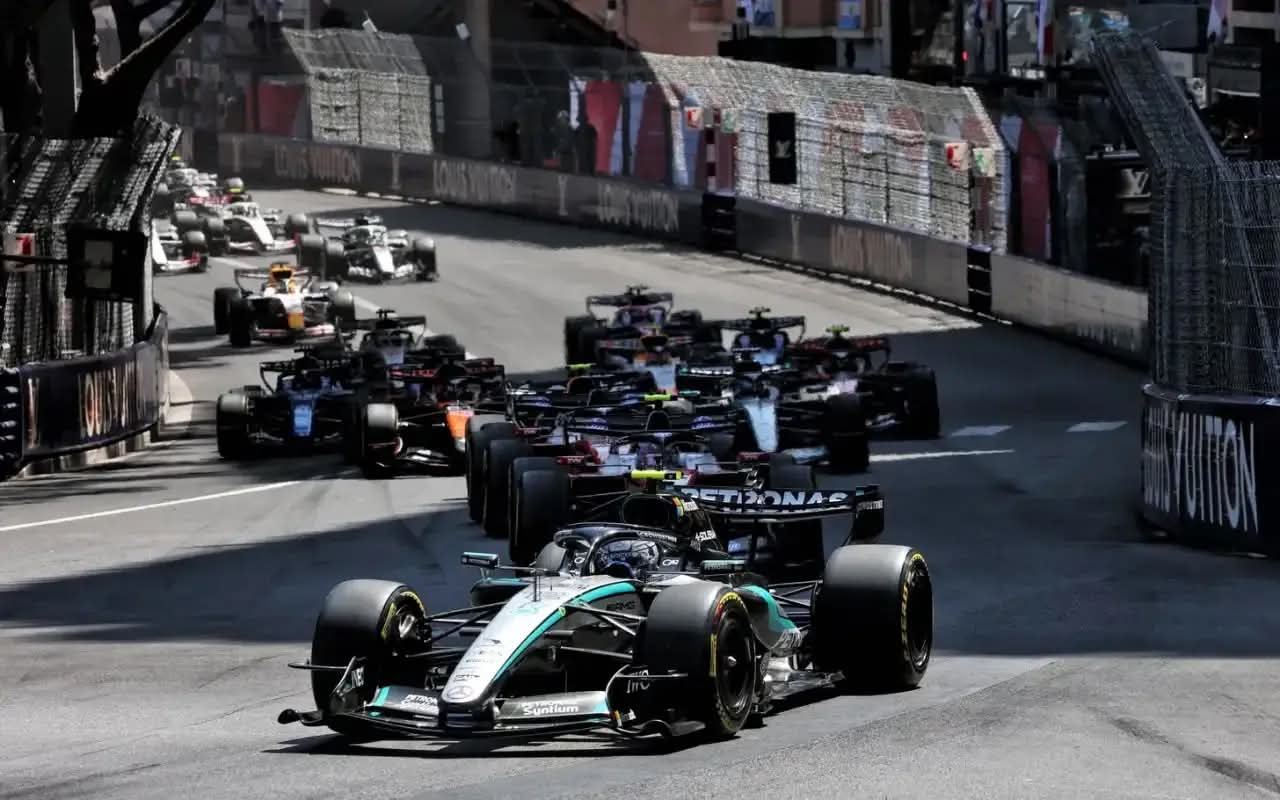

The fallout from the controversial revision of the 2026 Monaco Grand Prix results continues to intensify, with both Red Bull and McLaren now formally signaling their intention to challenge the latest ruling that dramatically reshaped the race’s final standings. What initially seemed like a settled outcome has evolved into one of the most contentious post-race sagas in recent Formula 1 history, raising serious questions about officiating consistency, timing systems, and the fairness of retrospective decisions.
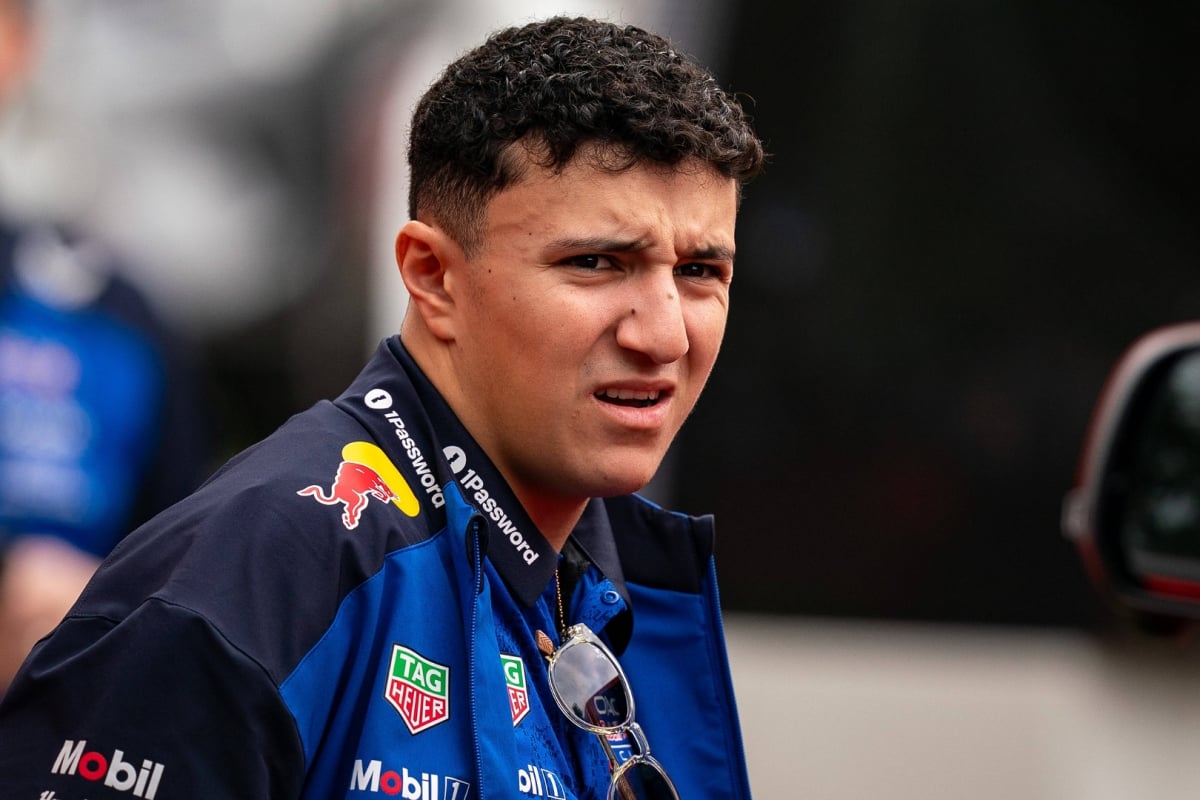
At the heart of the controversy lies Alpine driver Pierre Gasly, whose race result has undergone a dramatic reversal. Gasly had originally crossed the line in third place, securing what appeared to be a well-earned podium finish on the streets of Monte Carlo. However, that result was stripped away shortly after the race when he was handed two separate five-second time penalties for allegedly exceeding the pit lane speed limit. Those penalties dropped him from third to seventh place in the official classification, promoting other drivers, including Red Bull’s Isack Hadjar, into podium positions.
But the story did not end there. Alpine launched a formal “Right of Review” appeal, presenting new evidence that fundamentally challenged the basis of the penalties issued against Gasly. This evidence, which included detailed timing and measurement data, revealed that the calculations used to determine pit lane speeds were flawed. Specifically, there was an error in how the distance between timing loops in the pit lane had been measured, leading to incorrect speed readings.
After reviewing the new information, FIA stewards concluded that Gasly had not, in fact, exceeded the speed limit. As a result, both penalties were overturned, and Gasly was reinstated to his original third-place finish—effectively restoring him to the podium nearly five days after the race had concluded.
This decision triggered a chain reaction throughout the final classification. Drivers who had benefited from Gasly’s earlier demotion were pushed back down the order. Hadjar, who had already celebrated a podium finish, was relegated to fourth place, while McLaren’s Oscar Piastri and others also lost positions as the standings were recalculated.
Unsurprisingly, the ruling has not been universally accepted. Red Bull and McLaren were among several teams present during the review process, and both organizations have now lodged their intent to appeal the stewards’ decision. They argue that the issue of potential discrepancies in pit lane speed measurements was already known during the race weekend, and teams had adjusted their strategies accordingly to mitigate any risks.
From their perspective, overturning Gasly’s penalties after the fact creates an uneven playing field. While Gasly ultimately benefited from the correction, other drivers who were penalized for similar infractions had already served their punishments during the race, with no opportunity for redress. This inconsistency has become a major point of contention.
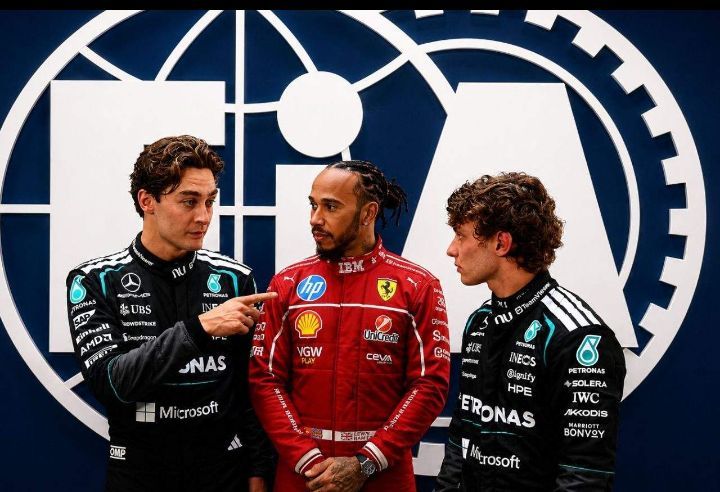
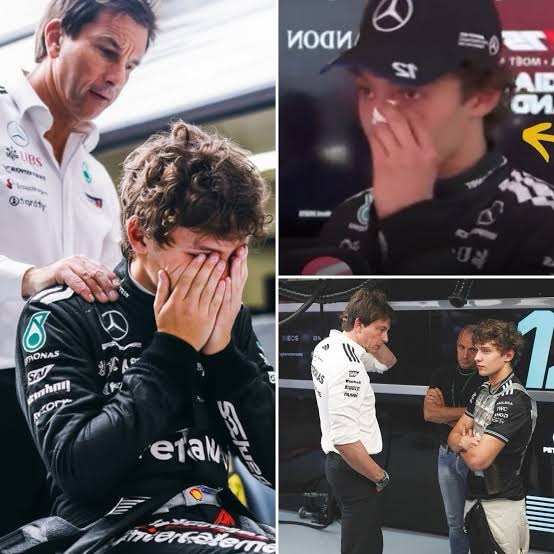
Mercedes, though not yet committing to a formal appeal, has also expressed significant frustration. George Russell, in particular, was heavily impacted by the original penalties. Unlike Gasly, Russell served his sanction during the race, which severely compromised his strategy and dropped him far down the order. The stewards later acknowledged that there is currently no mechanism to reverse penalties that have already been served, leaving affected drivers without any meaningful remedy.
This discrepancy highlights a deeper issue within Formula 1’s regulatory framework. While the “Right of Review” process allows teams to challenge decisions based on new evidence, it does not account for the ripple effects such reversals can have on other competitors. In this case, drivers who complied with penalties in real time arguably suffered more than those who successfully appealed them later.
The controversy has also exposed weaknesses in Formula 1’s technical systems. The error that led to Gasly’s penalties was traced back to a miscalculation in the pit lane timing zone—reportedly off by less than a meter, yet significant enough to distort speed readings. Such a small discrepancy having such a large impact has raised concerns about the precision and reliability of the sport’s data infrastructure.
For Gasly, the reinstated podium is a bittersweet outcome. While he has officially regained his third-place finish, the moment itself cannot be relived. Podium celebrations, media attention, and the emotional high of race day are all lost, replaced instead by a delayed and somewhat hollow correction.
Meanwhile, Red Bull and McLaren now face a critical decision window. Having lodged their initial intent to appeal within the required timeframe, they have up to 96 hours to submit a full formal appeal to the FIA. If they proceed, the case could escalate further, potentially leading to another review—or even more changes to the race classification.
The broader implications of this situation extend beyond Monaco. The controversy has sparked debate across the paddock about how Formula 1 handles officiating errors, the consistency of penalty enforcement, and the balance between correcting mistakes and preserving the integrity of race results. Teams are increasingly wary of a system where outcomes can be rewritten days after the checkered flag, particularly when not all competitors are equally able to benefit from such revisions.
In response to the incident, Formula 1 authorities have indicated that improvements will be made to prevent similar issues in the future. However, for many teams and drivers, that assurance may offer little comfort in the short term. The Monaco Grand Prix—already known for its drama—has now become a case study in the complexities of modern race governance.
As the paddock moves on to the next race in Barcelona, the shadow of Monaco lingers. Whether the appeals from Red Bull and McLaren will lead to yet another twist in this already convoluted saga remains to be seen. What is certain, however, is that this episode has reignited long-standing debates about fairness, transparency, and the role of technology in Formula 1—issues that are unlikely to fade anytime soon.
—