
The FIA has officially moved to close a technical loophole that many rivals believed gave Mercedes an advantage under Formula 1’s new 2026 power-unit regulations. The change, which came into force on June 1 ahead of the Monaco Grand Prix, has generated significant discussion throughout the paddock, particularly because Mercedes has been the dominant force during the opening phase of the season.
For months, rival manufacturers and teams questioned whether Mercedes had discovered a clever interpretation of the regulations concerning engine compression ratios. Under the 2026 Formula 1 rules, power units are subject to a maximum compression ratio limit. However, concerns emerged that Mercedes engineers may have found a way to exploit differences between cold-condition measurements and operating temperatures, potentially allowing greater performance while remaining within the written regulations. Mercedes consistently denied gaining any unfair advantage, but the controversy continued to grow as the season progressed.
The FIA responded by accelerating a regulatory amendment designed to eliminate any ambiguity. Rather than waiting until later in the season, the governing body introduced stricter monitoring procedures beginning on June 1. The revised system requires compression ratios to be checked under a broader range of conditions, making it significantly more difficult for teams to benefit from temperature-related variations. The objective is straightforward: ensure all manufacturers operate within the same technical framework regardless of how engine components behave under different operating conditions.
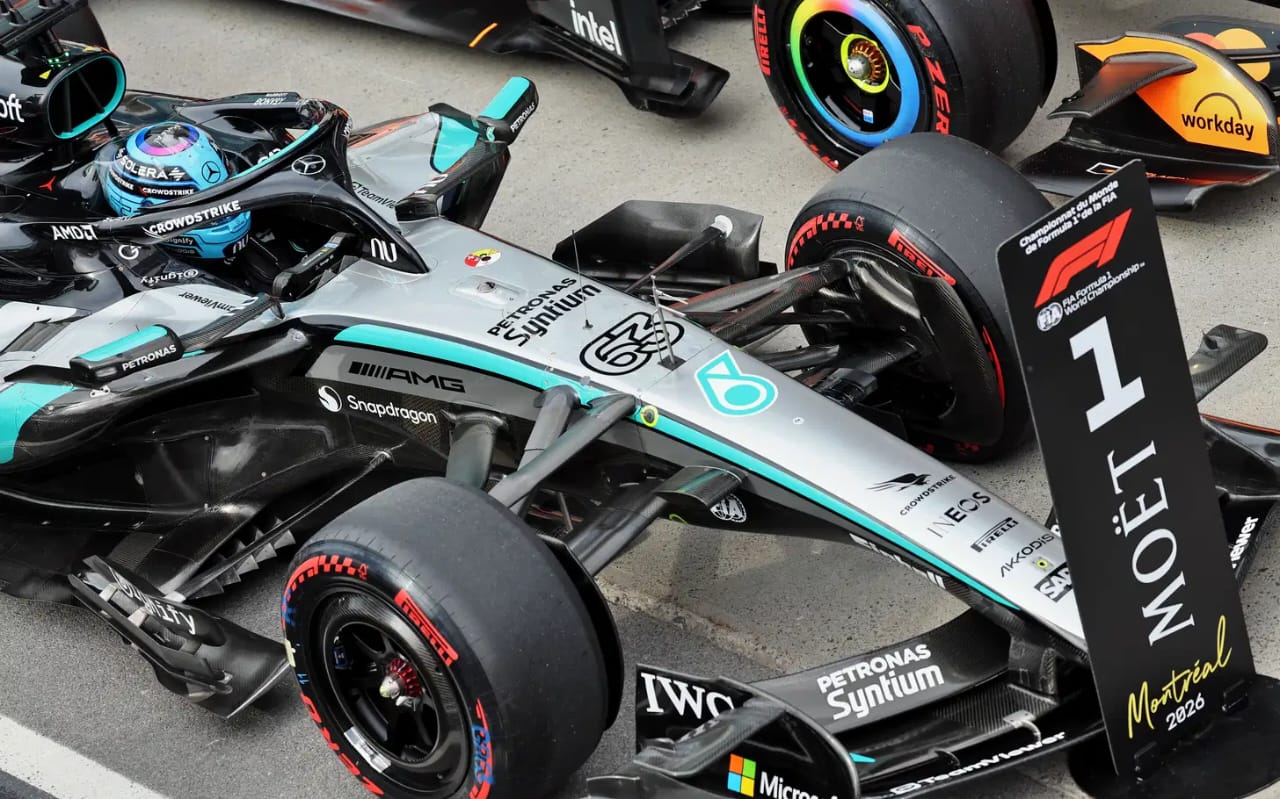
This development has naturally placed Mercedes under the spotlight. The Brackley-based squad has enjoyed a remarkable start to the new Formula 1 era, winning races and establishing itself as the benchmark team. Whenever one manufacturer gains a significant advantage in Formula 1, competitors inevitably begin scrutinizing every aspect of its design philosophy. In this case, attention centered on Mercedes’ power unit, which many observers believed was delivering a performance edge beyond what rivals had achieved.
The compression-ratio debate has been one of the defining technical stories of the season. Formula 1’s 2026 regulations introduced a radically different engine concept, forcing manufacturers to balance efficiency, power delivery, electrical deployment and fuel consumption. Such major rule changes often encourage engineers to search for innovative interpretations of the regulations. While this creativity is part of Formula 1’s DNA, the FIA continually monitors developments to ensure competition remains fair and consistent.
What makes this situation particularly interesting is that the FIA’s intervention does not necessarily imply Mercedes broke any rules. Rather, it suggests the governing body believed the regulations contained a loophole that needed clarification. In Formula 1 history, many successful innovations have eventually led to rule adjustments. Teams often push regulations to their limits, and when a particular interpretation appears to provide a disproportionate advantage, governing authorities may choose to revise the rules. That is effectively what has happened in this case.
The impact of the change remains one of the biggest questions heading into the next phase of the championship. Some analysts believe Mercedes could experience a noticeable reduction in performance if the disputed engine characteristics were genuinely contributing to its speed advantage. Others argue the team’s dominance is the result of a complete package that includes chassis efficiency, aerodynamics, operational excellence and driver performance. If that assessment proves correct, Mercedes may remain comfortably ahead even after the FIA’s latest intervention.
Another factor to consider is Mercedes’ customer teams. Because Mercedes supplies engines to multiple Formula 1 outfits, any performance change could potentially affect several teams across the grid. This broadens the significance of the FIA’s decision beyond a single constructor and could influence championship battles throughout the field. Teams using Mercedes power units will be watching closely to determine whether the revised testing procedures alter competitiveness in any meaningful way.
The compression-ratio issue is not the only technical matter that has attracted FIA attention this season. Earlier in the year, the governing body also acted to close another loophole involving qualifying energy deployment strategies used by Mercedes and Red Bull. That separate clarification targeted how teams managed electrical power from the MGU-K system during qualifying laps. The FIA concluded that existing regulations could be interpreted in a way that allowed teams to maximize performance beyond the intended limits and subsequently issued technical directives to prevent further exploitation.
These developments highlight the constant technological battle that defines Formula 1. Engineers are always searching for performance gains, while regulators continuously evaluate whether innovations remain consistent with the spirit of the rules. The relationship between innovation and regulation has shaped countless championship battles over the decades and remains a fundamental part of the sport’s appeal.
As the championship progresses, attention will now shift from speculation to evidence. The Monaco Grand Prix marks the first race weekend operating under the revised FIA procedures, providing teams, analysts and fans with an opportunity to assess whether Mercedes’ performance changes in any significant way. If the team continues to dominate, many of the questions surrounding the alleged loophole could quickly fade. If rivals suddenly close the gap, however, the debate is likely to intensify even further.
For now, one fact is clear: the FIA has officially closed the loophole that sparked months of discussion throughout the Formula 1 paddock. Whether it proves to be a minor administrative adjustment or a championship-altering decision remains one of the most fascinating storylines of the 2026 Formula 1 season.