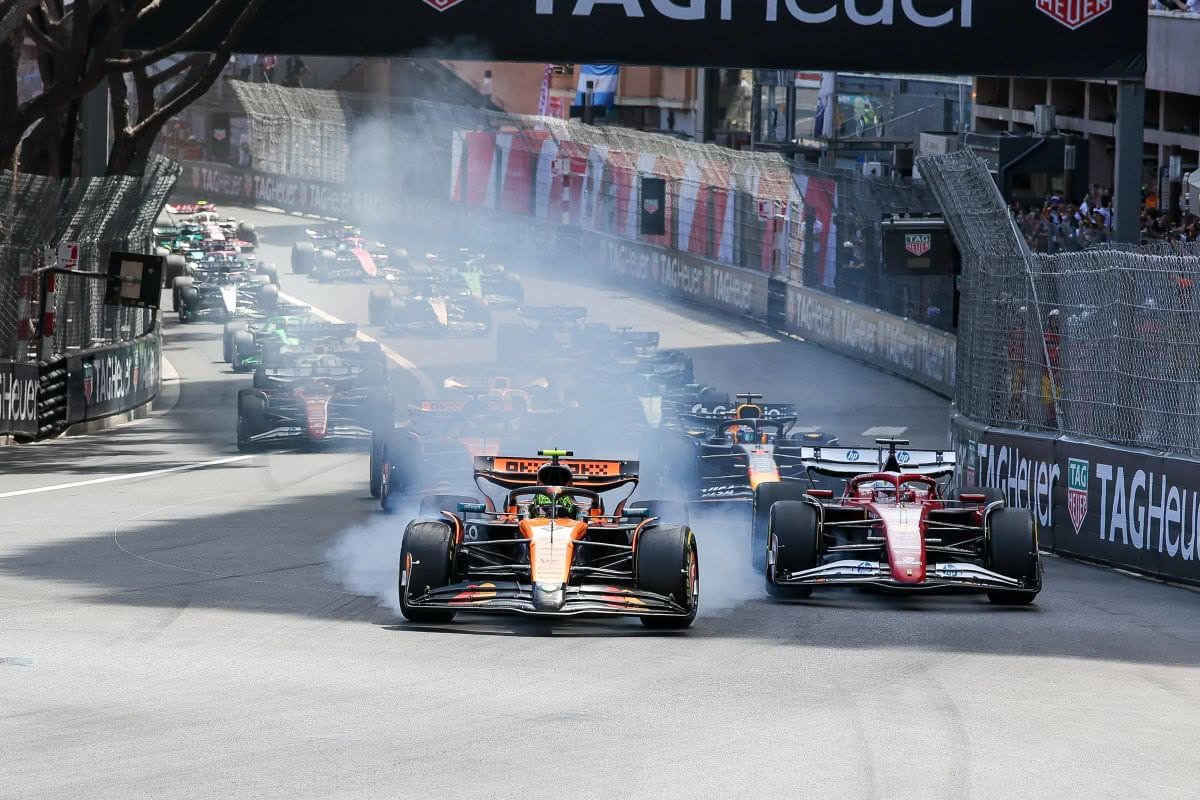
The aftermath of the Monaco Grand Prix could take another dramatic turn after the FIA confirmed that Alpine’s appeal regarding Pierre Gasly’s penalties has been accepted for review. The decision opens the door to a possible revision of the race classification, potentially restoring a podium finish that Gasly lost following post-race sanctions.
Gasly originally delivered one of his strongest performances of the season on the streets of Monte Carlo, crossing the finish line in a position that appeared good enough to secure a place among the top three. However, celebrations within the Alpine camp were short-lived when FIA stewards imposed two separate penalties after reviewing incidents from the race.
Those sanctions significantly altered the final standings and dropped the French driver down the order, denying him what would have been a valuable podium result. Alpine immediately questioned the decision and began exploring its options under FIA regulations.
On Thursday, the team achieved an important breakthrough after successfully passing the first stage of the appeal process. FIA officials determined that Alpine had presented evidence that was both new and significant, meeting the criteria required for the case to be reopened. As a result, the governing body will now conduct a formal review of the penalties.
The development means that the final outcome of the Monaco Grand Prix is no longer completely settled. Should the review conclude that the penalties were issued incorrectly or that the new evidence materially changes the interpretation of the incidents, Gasly’s original finishing position could potentially be reinstated.
The case has become one of the biggest talking points in Formula 1 ahead of this weekend’s Barcelona-Catalunya Grand Prix. Drivers, teams and fans will be closely monitoring the review process, given the potential impact on both the drivers’ and constructors’ championship standings.
Meanwhile, the FIA was also involved in another major Formula 1 announcement on Thursday. Following extensive discussions between Formula 1, the governing body, the teams and engine manufacturers, an agreement has reportedly been reached regarding significant changes to the sport’s future power-unit regulations.
The development represents a notable shift in direction after months of debate surrounding the next generation of Formula 1 engines. Concerns had been raised by several stakeholders regarding the planned regulations, prompting further negotiations and technical evaluations.
As a result, the FIA has now confirmed a substantial revision to the proposed framework, marking what many observers are describing as a major U-turn. The agreement is expected to influence the future development strategies of manufacturers and could reshape the competitive landscape of Formula 1 in the years ahead.
With both the Monaco appeal and the engine regulation changes dominating headlines, Thursday proved to be one of the busiest news days of the season. The outcomes of these developments could have lasting consequences for teams, drivers and the future direction of Formula 1 as the championship continues.