
The controversy surrounding the 2026 Monaco Grand Prix continues to deepen, with the race result still hanging in uncertainty days after the chequered flag fell. What was initially considered a settled outcome has now evolved into one of the most dramatic post-race sagas in recent Formula One history, as fresh legal discussions and potential appeals threaten yet another revision to the final standings.
At the heart of the issue lies a series of contentious penalties handed out during the race, particularly those related to pit lane speeding violations. Multiple drivers—including Pierre Gasly, Lewis Hamilton, George Russell, Oscar Piastri, and Franco Colapinto—were penalized under similar circumstances. These sanctions significantly altered the finishing order at the time, with Gasly being one of the most affected drivers after dropping from a podium position to seventh place.
However, the situation took a dramatic turn when Alpine successfully challenged Gasly’s penalties through a formal “Right of Review.” The team presented new evidence indicating that the speed measurements used by officials were flawed due to a discrepancy in the pit lane timing system. Specifically, it was revealed that the measured distance used to calculate speed was slightly inaccurate, meaning Gasly had not actually exceeded the speed limit as initially believed.
As a result of this finding, the FIA overturned Gasly’s penalties, reinstating him to third place on the podium. This decision had a domino effect on the rest of the classification, demoting other drivers—including Red Bull’s Isack Hadjar—who had originally been promoted due to Gasly’s earlier demotion.
Despite the correction, the controversy did not end there. In fact, it intensified. Several teams, notably McLaren and Red Bull, expressed immediate dissatisfaction with the ruling and signaled their intention to appeal. Their frustration stems from the fact that while Gasly’s penalties were removed after the race, other drivers who had received similar penalties were unable to benefit from the same review process—either because they did not appeal in time or had already served their penalties during the race.
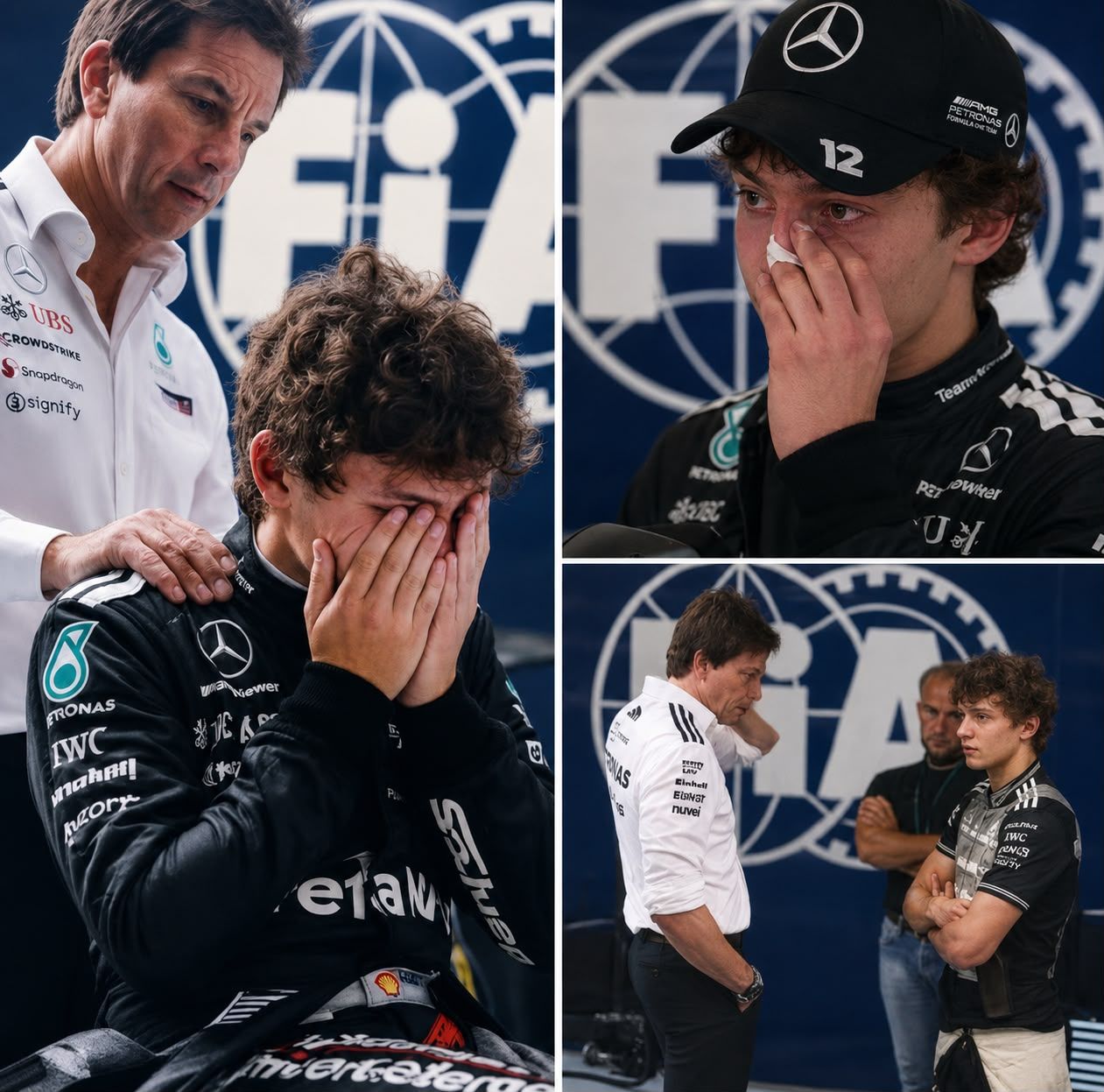
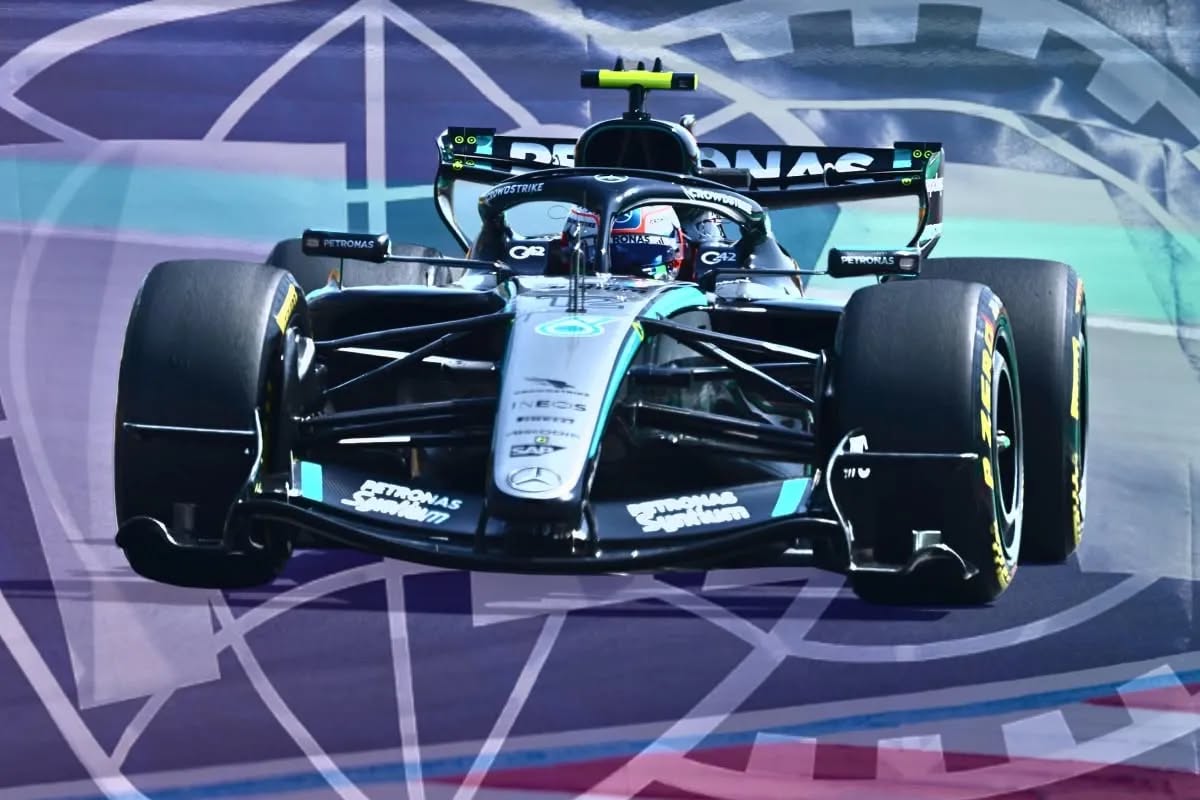
Mercedes has emerged as one of the most vocal teams in the aftermath of the decision. Team principal Toto Wolff has publicly confirmed that the team has sought legal advice to evaluate their options. This move highlights the seriousness of the situation, as Mercedes believes the handling of the penalties—and their subsequent reversal—may have unfairly impacted their race outcome.
George Russell’s race serves as a prime example of this frustration. The British driver was forced to serve a drive-through penalty during the race, which severely compromised his finishing position. Unlike Gasly, Russell’s penalty cannot be undone, even though it was issued under the same flawed system that led to Gasly’s now-overturned sanctions. This inconsistency has raised significant questions about fairness and the FIA’s regulatory procedures.
The FIA has acknowledged that there was indeed a problem with the timing system used to monitor pit lane speeds. According to officials, a small discrepancy in the measurement zone led to incorrect speed calculations, ultimately resulting in unjust penalties. While the governing body has admitted the error and taken steps to correct Gasly’s result, it has also stated that there is currently no mechanism to reverse penalties that were already served during the race.
This limitation has only fueled further criticism from teams and drivers alike. Many argue that if the system was flawed, all affected drivers should receive equal consideration—not just those who successfully appealed. The inability to retroactively correct all impacted results has created a sense of imbalance, leaving some competitors feeling unfairly treated.
Adding another layer of complexity is the potential for further appeals. McLaren and Red Bull are reportedly exploring formal challenges to the FIA’s decision, which could trigger additional hearings and possibly lead to yet another revision of the race classification. If these appeals proceed, the Monaco Grand Prix result could change once again, prolonging the uncertainty and controversy surrounding the event.
Meanwhile, the broader implications for Formula One are becoming increasingly apparent. The incident has exposed weaknesses in the sport’s regulatory and adjudication processes, particularly when it comes to handling post-race reviews and ensuring consistency across decisions. It also raises questions about the reliability of technical systems used in race officiating—systems that are supposed to provide precise and unquestionable data.
Formula One has already indicated that it will review its procedures to prevent similar issues in the future. However, the damage to the sport’s credibility—at least in the short term—may be difficult to undo. Fans, teams, and drivers alike are left grappling with a situation where the final result of one of the season’s most prestigious races remains uncertain days after its conclusion.
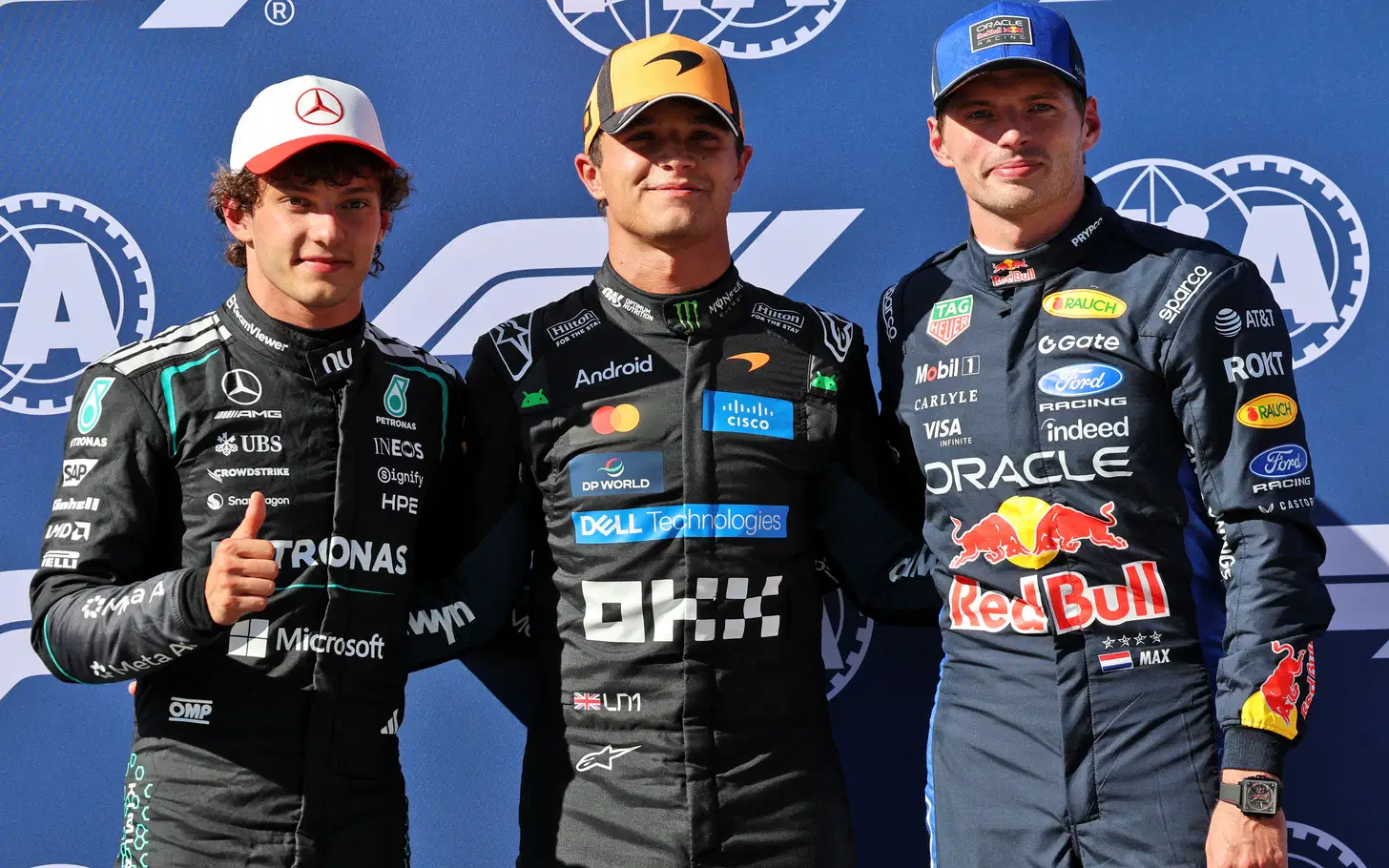
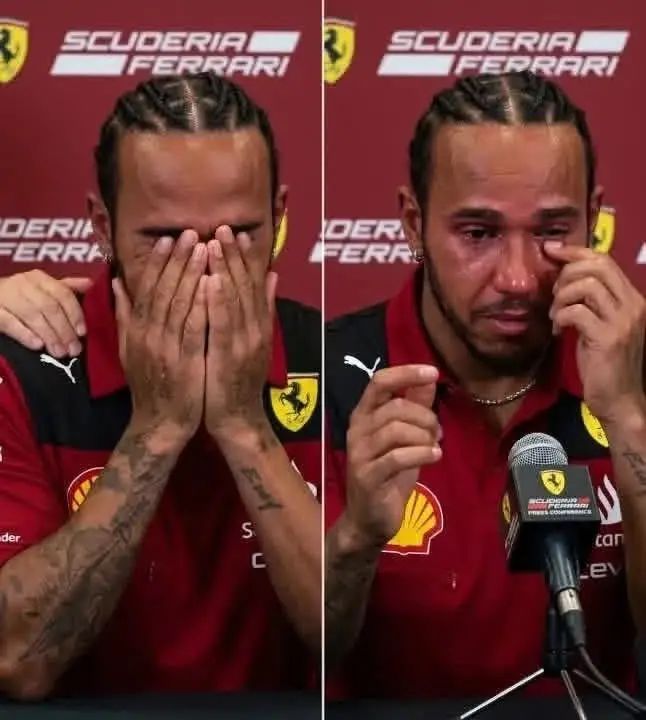
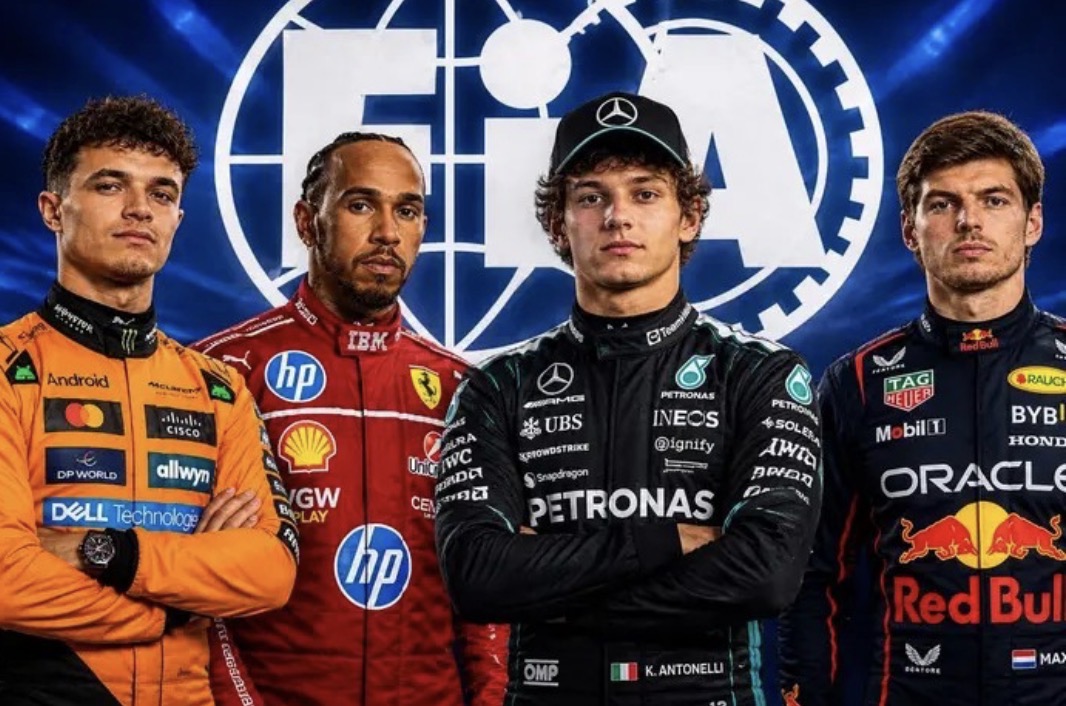
On track, the race itself had already delivered plenty of drama. Mercedes’ rising star Kimi Antonelli secured victory, continuing his dominant run in the 2026 season, while Lewis Hamilton finished second. But these achievements have been somewhat overshadowed by the ongoing controversy, which has shifted attention away from the sporting spectacle and toward the administrative turmoil that followed.
In summary, the Monaco Grand Prix has become a case study in how complex and contentious modern Formula One regulations can be. What began as a series of routine penalties has evolved into a multi-team dispute involving appeals, legal consultations, and questions about procedural fairness. With Mercedes now consulting lawyers and rival teams considering further action, the possibility of yet another change to the race result remains very real.
Until all appeals are resolved and a definitive ruling is made, the final classification of the Monaco Grand Prix will remain in limbo—an extraordinary situation for a sport that prides itself on precision, clarity, and competitive integrity.