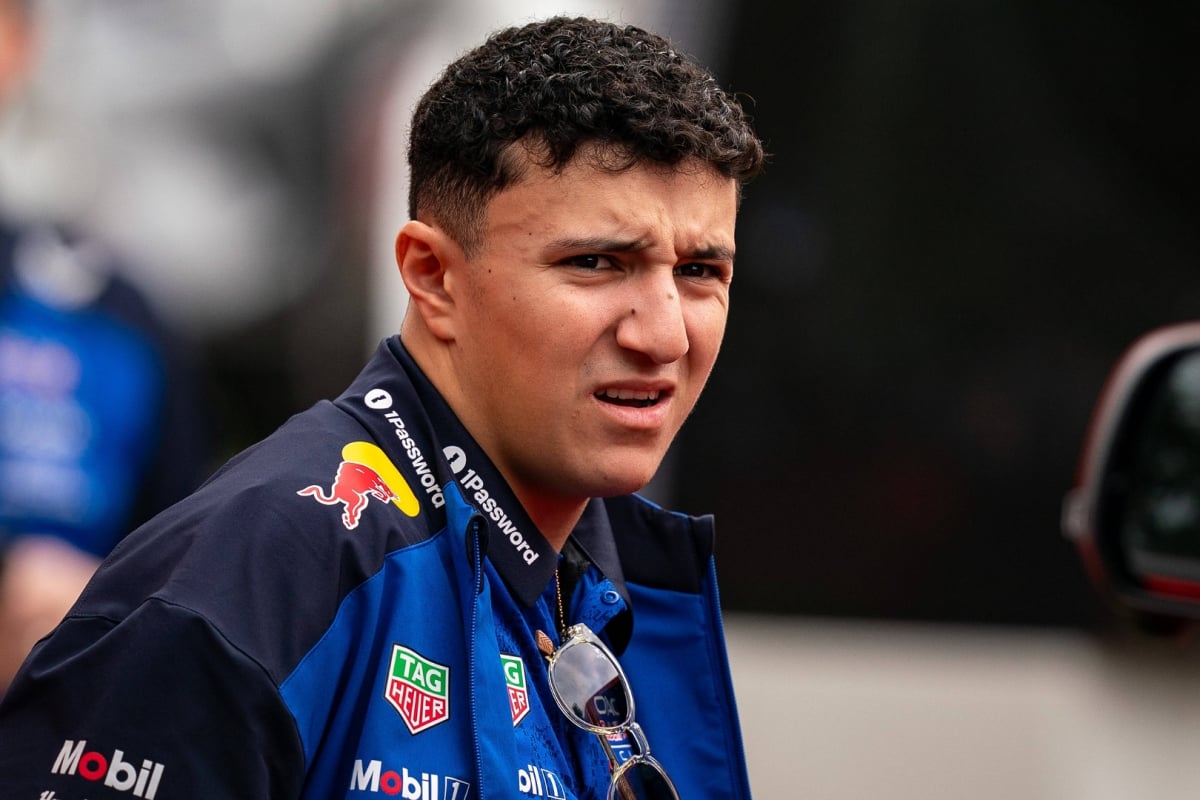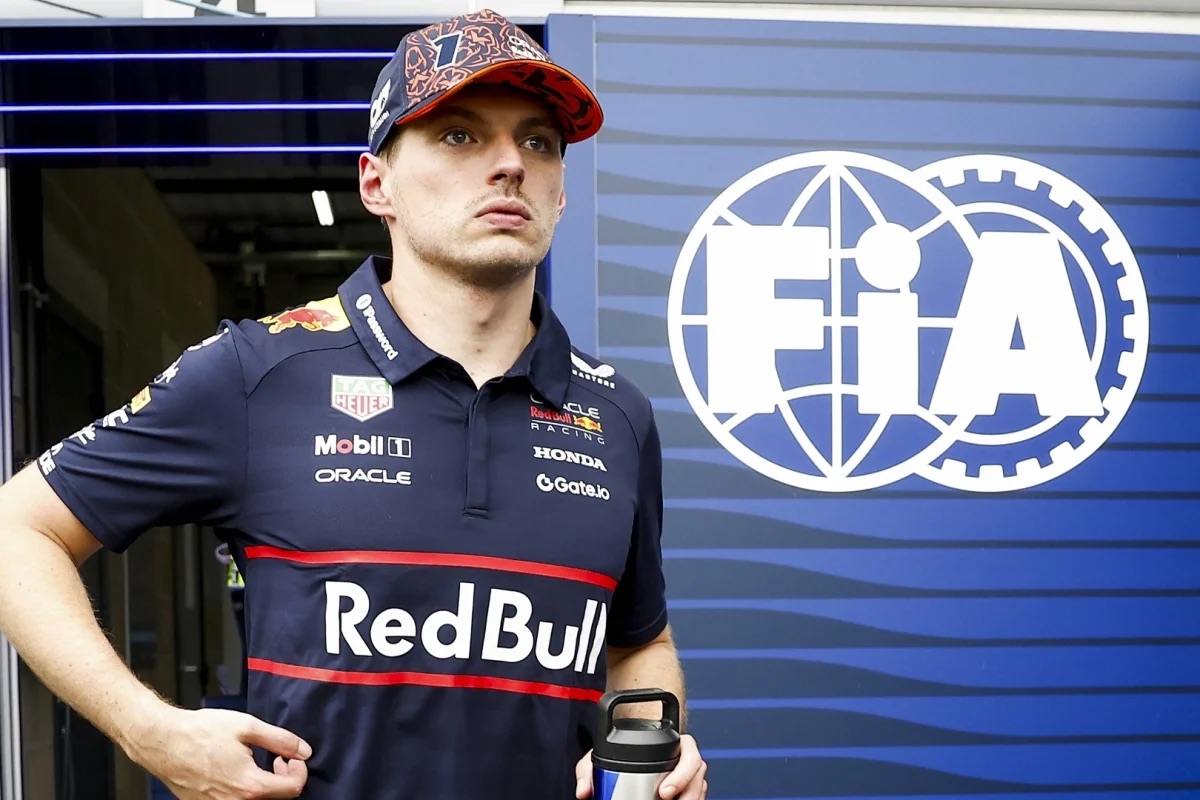
Max Verstappen’s Miami Grand Prix concluded with a post-race penalty, but the sanction ultimately had little impact on his final result. After an eventful afternoon in Florida, the reigning world champion was handed a five-second time penalty by the FIA for a pit-lane infringement during the race. Fortunately for Verstappen and Red Bull, the punishment did not cost him any positions in the final standings.
The incident that triggered the investigation occurred early in the race during a Safety Car period. Following a collision involving several drivers, Verstappen seized the opportunity to dive into the pits for an early tyre change. It was a strategic move designed to gain track position and place him in a stronger position for the remainder of the Grand Prix.
However, as Verstappen exited the pit lane, race officials immediately noted a potential violation. Initial replays suggested that his car may have crossed the solid white line at the pit exit—a clear breach of Formula 1’s sporting regulations. That white line is critical, as it separates cars rejoining the track from those already racing at speed. Crossing it is considered a safety issue and is therefore treated seriously by the stewards.
Because the available camera angles during the race did not provide conclusive evidence, the FIA opted not to issue an immediate verdict. Instead, the incident was placed under investigation after the race, allowing officials more time to review additional footage from various sources, including onboard cameras and alternative trackside angles.
Once the race had concluded, the stewards carefully analyzed the evidence. Their review confirmed that the outer edge of Verstappen’s front-left tyre had indeed crossed beyond the outer boundary of the solid white line as he rejoined the circuit. Under Appendix L, Chapter IV, Article 6(c) of the FIA International Sporting Code, this constitutes a violation.
As a result, the FIA imposed a five-second time penalty on the Dutchman.
In their official statement, the stewards explained that the decision was based on newly available video evidence that clearly showed the infringement. They acknowledged that the original broadcast footage had been insufficient for a definitive ruling, which is why the matter was deferred until after the race.
Despite the penalty, Verstappen retained fifth place in the final classification. The five-second addition to his race time was not enough to drop him behind the driver immediately behind him. In fact, another post-race penalty elsewhere in the field helped ensure his position remained secure.
Charles Leclerc, who had originally finished just behind Verstappen, was later hit with a far more severe 20-second penalty for repeatedly leaving the track and gaining an advantage after a dramatic late-race incident. That sanction dropped the Ferrari driver from sixth to eighth, eliminating any threat to Verstappen’s fifth-place finish.
So while Verstappen was officially penalized, the practical consequences were minimal. He still collected 10 valuable championship points for finishing fifth, marking his best Grand Prix result of the 2026 season so far.
For Red Bull, the Miami weekend offered several encouraging signs. The team introduced significant upgrades to the RB22, and the improvements appeared to deliver a noticeable step forward in performance. Verstappen looked much more competitive than he had in several previous rounds, particularly over a full race distance.
Although he was unable to challenge for victory, his pace was far more consistent, and Red Bull appeared better equipped to battle at the front. The fifth-place finish, while not yet the level the team ultimately desires, represented meaningful progress.
Verstappen’s race itself was far from straightforward. Miami presented a variety of challenges, including changing track conditions, tyre management concerns, and multiple on-track battles. Throughout the afternoon, he remained firmly in the fight, extracting the maximum from the upgraded Red Bull package.
The pit-lane infringement was a rare lapse in precision from a driver renowned for his consistency and racecraft. Yet it serves as a reminder of how fine the margins are in Formula 1. Even a slight misjudgment—just a tyre width over a painted line—can trigger a penalty.
Importantly, the FIA’s decision also highlighted the thoroughness of modern race officiating. Rather than rushing to judgment with incomplete evidence, the stewards waited until they could review all available footage before reaching a conclusion. That process ensured the ruling was both fair and well-supported.
For Verstappen, the key takeaway will be the underlying competitiveness shown by Red Bull in Miami. After a difficult start to the 2026 campaign, this weekend suggested that the team may finally be closing the gap to its leading rivals.
The improved pace could prove crucial as the championship battle intensifies. With Mercedes, McLaren, and Ferrari all showing strong form, Red Bull needs every gain it can find. Miami may well represent a turning point in their season.
Verstappen himself will likely view the penalty as an irritation rather than a major setback. Since it did not alter his finishing position, the damage was limited to his official race time rather than his points haul. In the grand scheme of a long Formula 1 season, that is a relatively minor consequence.
Still, drivers and teams alike will be reminded of the importance of precision in every phase of a race—even when entering or exiting the pit lane under caution conditions. Regulations are applied strictly, and even the smallest infractions can lead to sanctions.
The Miami Grand Prix ultimately provided Verstappen with a mixture of positives and lessons. The penalty was an unwelcome postscript, but the stronger performance of the RB22 and the resulting fifth-place finish offered genuine encouragement.
For a team accustomed to fighting for victories, fifth place may not seem cause for celebration. But given Red Bull’s struggles earlier in the season, it represented a step in the right direction. More importantly, it suggested that their development efforts are beginning to pay off.
As the Formula 1 season moves to its next chapter, Verstappen and Red Bull will aim to build on that momentum. If the Miami upgrades continue to perform well, they could soon find themselves back in contention for podiums—and perhaps victories.
In the end, Verstappen left Miami with a penalty on his record, but more importantly, with his best Sunday result of the year. While the FIA’s decision added a footnote to his race, it did not overshadow the broader story: Red Bull is making progress, and Verstappen is once again moving toward the sharp end of the grid.