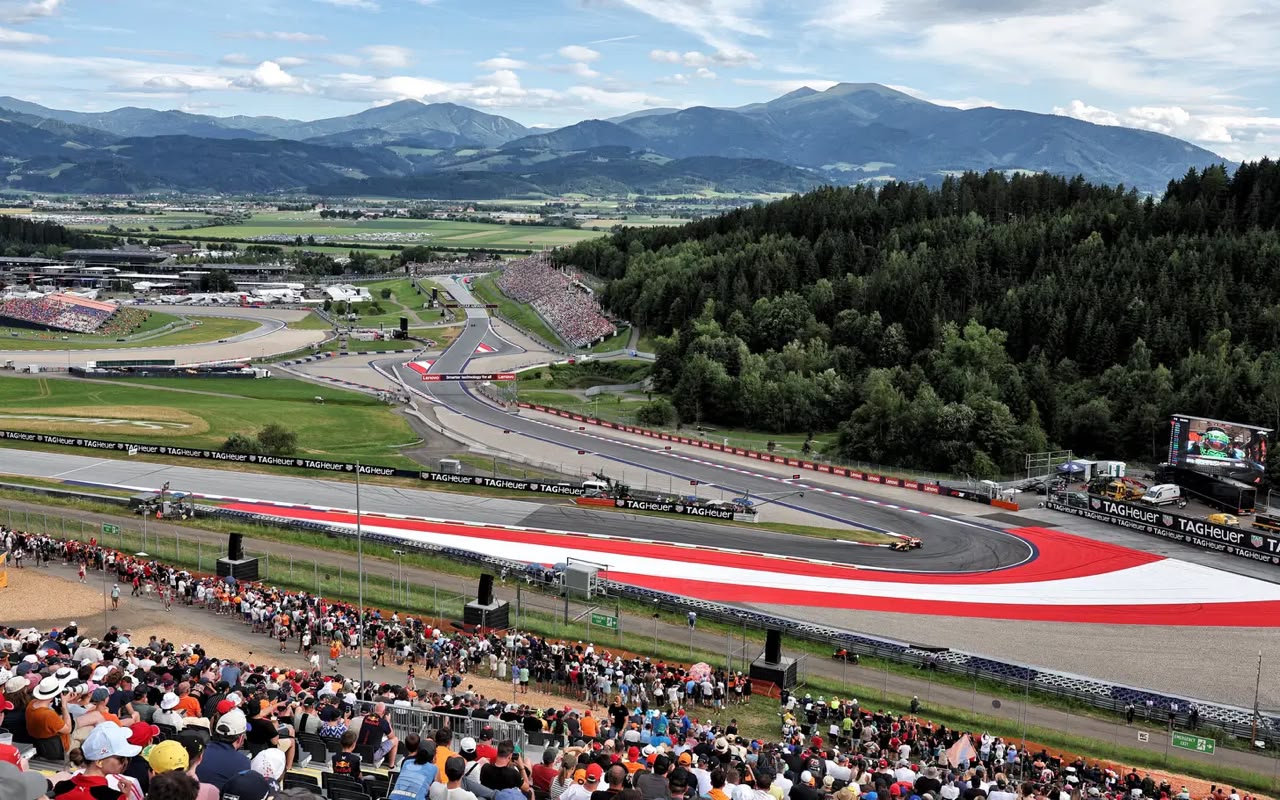

Formula 1 teams, drivers, and thousands of fans preparing for the upcoming Austrian Grand Prix have been placed on alert after weather authorities issued a warning for exceptionally high temperatures expected throughout the race weekend. The forecast indicates that the Red Bull Ring in Spielberg will experience scorching conditions, with temperatures climbing well above normal seasonal levels, creating one of the hottest race weekends of the 2026 Formula 1 campaign.
According to the latest weather projections, daytime temperatures are expected to approach or exceed 34°C during qualifying and race day. The combination of intense sunshine, minimal cloud cover, and hot track temperatures is likely to present a significant challenge not only for the drivers but also for engineers, mechanics, race officials, and spectators attending the event.
The Red Bull Ring is already regarded as one of Formula 1’s most physically demanding circuits despite its relatively short lap length. The track features rapid elevation changes, high-speed corners, and several heavy braking zones that place considerable stress on both drivers and machinery. When these demands are combined with extreme heat, the level of physical endurance required increases substantially.
For the drivers, cockpit temperatures often rise far beyond the outside air temperature. Even when the ambient temperature sits around 34°C, the temperature inside an F1 cockpit can climb to well over 50°C during a Grand Prix. As a result, drivers are expected to lose significant amounts of body fluid through perspiration over the course of the race, making hydration and physical conditioning critical elements of their preparation.
Most Formula 1 drivers already follow rigorous hydration programmes before every race, but the expected weather conditions in Austria will likely require teams to place even greater emphasis on fluid intake, electrolyte replacement, and cooling strategies throughout the weekend.
Engineers will also face additional technical challenges as they work to keep the cars operating within their ideal temperature windows. Modern Formula 1 cars rely on carefully designed cooling systems for their engines, brakes, power units, and hybrid components. Higher ambient temperatures reduce cooling efficiency, forcing teams to carefully balance aerodynamic performance against the need for adequate airflow.
Increasing cooling by opening larger bodywork vents can help prevent overheating, but it may also reduce aerodynamic efficiency and ultimately affect lap times. Teams therefore have to make strategic decisions that balance outright speed with mechanical reliability.
Tyre management is expected to become another decisive factor during the Austrian Grand Prix weekend. Hot asphalt causes tyres to heat up much faster, increasing degradation and making it more difficult for drivers to maintain consistent grip over long stints.
The Red Bull Ring is already known for placing considerable demands on tyres because of its combination of heavy acceleration zones and fast corners. With unusually high track temperatures forecast, tyre wear could become even more pronounced, forcing teams to rethink race strategies, pit-stop timing, and compound selection.
Drivers who can effectively preserve their tyres while maintaining competitive pace may gain a significant advantage during Sunday’s race.
The weather conditions are also expected to influence qualifying. During a single flying lap, tyre temperature must remain within an optimal operating range. If tyres become overheated before reaching the crucial corners, grip levels can fall dramatically, costing drivers valuable tenths of a second.
As a result, teams will devote additional attention to tyre preparation during practice sessions in order to determine the best approach for qualifying and race conditions.
While the primary concern remains the intense heat, forecasters have also noted that mountainous regions around Spielberg can experience rapidly changing weather patterns. Although current projections favour predominantly dry conditions during the main sessions, isolated thunderstorms remain a possibility in the surrounding area should atmospheric instability increase.
The Austrian Grand Prix has a long history of unpredictable weather. Previous editions have seen bright sunshine give way to sudden rain showers, dramatically changing race conditions within minutes. Although this year’s forecast is centred mainly on extreme heat, teams will continue monitoring weather updates closely throughout the weekend.
Race organisers are also expected to implement additional measures to ensure the safety and comfort of fans attending the event. Spectators are likely to be encouraged to stay hydrated, wear protective clothing, seek shade whenever possible, and make use of water stations located throughout the circuit.
Medical teams stationed around the venue will remain prepared to respond to heat-related illnesses, while event officials will continue monitoring conditions as temperatures rise during the day.
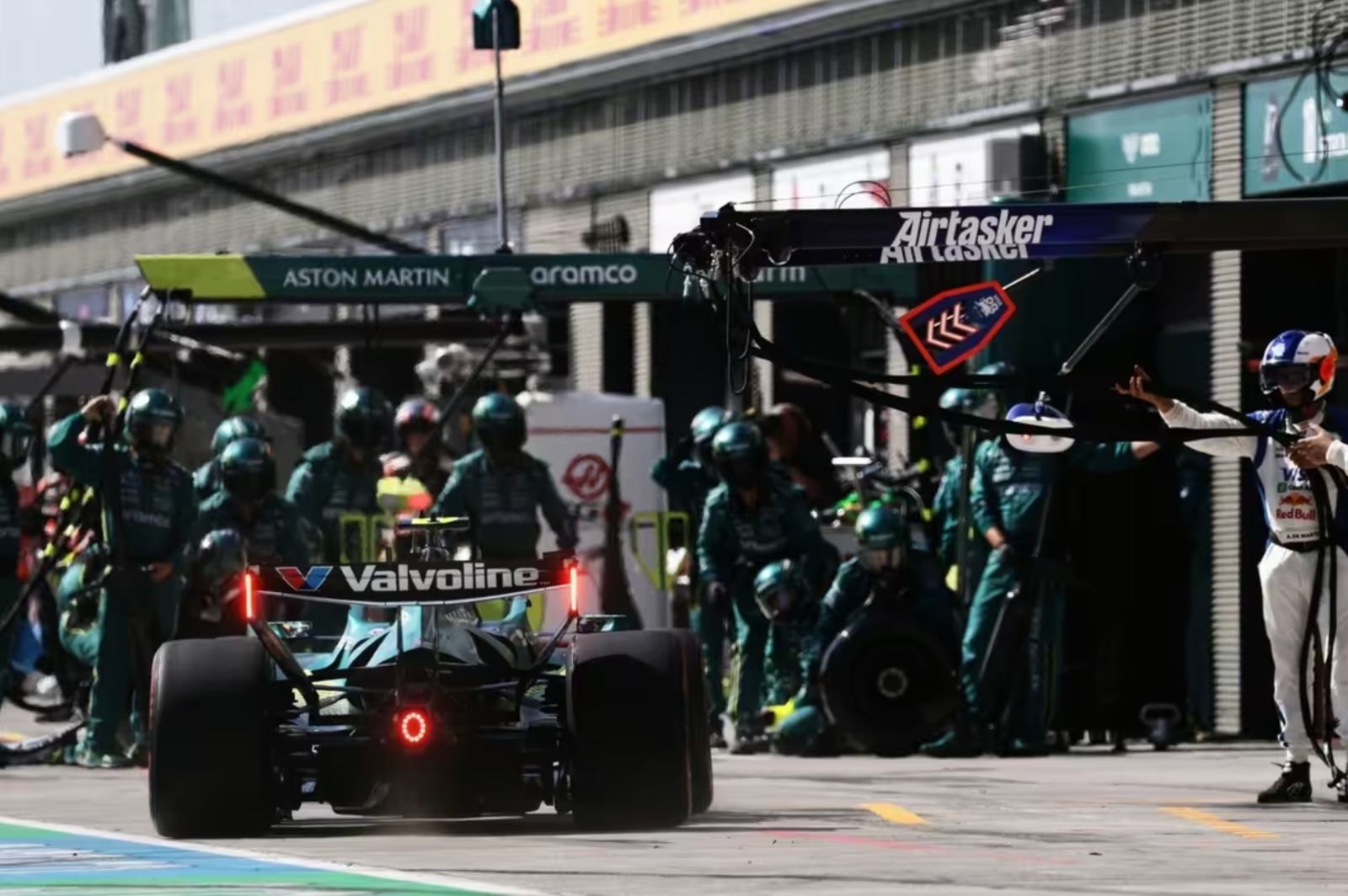
Mechanics working inside garages and pit lanes will also face demanding conditions. Throughout the weekend they will spend long hours servicing cars under direct sunlight and in high ambient temperatures while wearing protective team clothing. Managing fatigue among team personnel therefore becomes just as important as preparing the race cars themselves.
The extreme weather could also play an indirect role in determining the competitive order. Some teams traditionally perform better in hotter conditions because their cars are designed to manage tyre temperatures more effectively, while others have historically struggled when ambient temperatures rise significantly. The varying cooling characteristics of each car could therefore influence both qualifying pace and race performance.
Drivers will also need to carefully manage their physical effort over the course of the Grand Prix. Maintaining concentration during a race that lasts well over 90 minutes while enduring intense cockpit temperatures requires exceptional fitness. Even small lapses in focus caused by dehydration or heat exhaustion can lead to costly mistakes.
As anticipation builds ahead of the Austrian Grand Prix, weather conditions have emerged as one of the biggest talking points before a single lap has been completed. Teams will spend the opening practice sessions gathering valuable data on tyre behaviour, cooling performance, and race pace under the expected high temperatures.
Although Formula 1 teams prepare extensively for every possible scenario, extreme heat always introduces an additional layer of uncertainty that can influence strategy, reliability, and driver performance.
With soaring temperatures expected throughout the weekend, fans can look forward to a fascinating contest where physical endurance, technical preparation, tyre management, and strategic decision-making may prove just as important as outright speed. If the forecasts remain accurate, the 2026 Austrian Grand Prix could become one of the most demanding and memorable races of the Formula 1 season, testing every aspect of both driver and team performance under exceptionally challenging weather conditions.