
The 2026 Formula 1 season continues its European stretch with the highly anticipated Barcelona-Catalunya Grand Prix weekend, bringing teams and drivers to one of the most familiar and technically demanding circuits on the calendar. As excitement builds among fans and competitors alike, attention has turned to the qualifying session, which plays a crucial role in determining the starting grid for Sunday’s race.
For this year’s event, qualifying is scheduled to take place on Saturday, June 13, and is set to begin at 16:00 local time in Barcelona (CEST). This corresponds to 15:00 BST in the United Kingdom, reflecting the time difference across European regions.
The session represents one of the most critical parts of the race weekend, as drivers battle for pole position on a circuit where overtaking has traditionally proven difficult. Securing a strong grid position can often make the difference between victory and frustration, especially at the Circuit de Barcelona-Catalunya, where track position remains a key factor.
This year marks a unique chapter in Formula 1 history, as the Barcelona event has been officially renamed the Barcelona-Catalunya Grand Prix. This change comes following the decision to move the traditional Spanish Grand Prix to Madrid, which is set to debut later in the season. Despite the shift, Barcelona retains its place on the calendar under a revised identity and will continue to host races as part of a rotational agreement with other venues.
The qualifying session itself follows the standard Formula 1 knockout format, consisting of three segments: Q1, Q2, and Q3. During Q1, all drivers take to the track, with the slowest five being eliminated. The process repeats in Q2, leaving the fastest ten drivers to compete in Q3 for pole position. Given the competitive nature of the 2026 season, even the smallest margins can separate drivers, making every lap crucial.
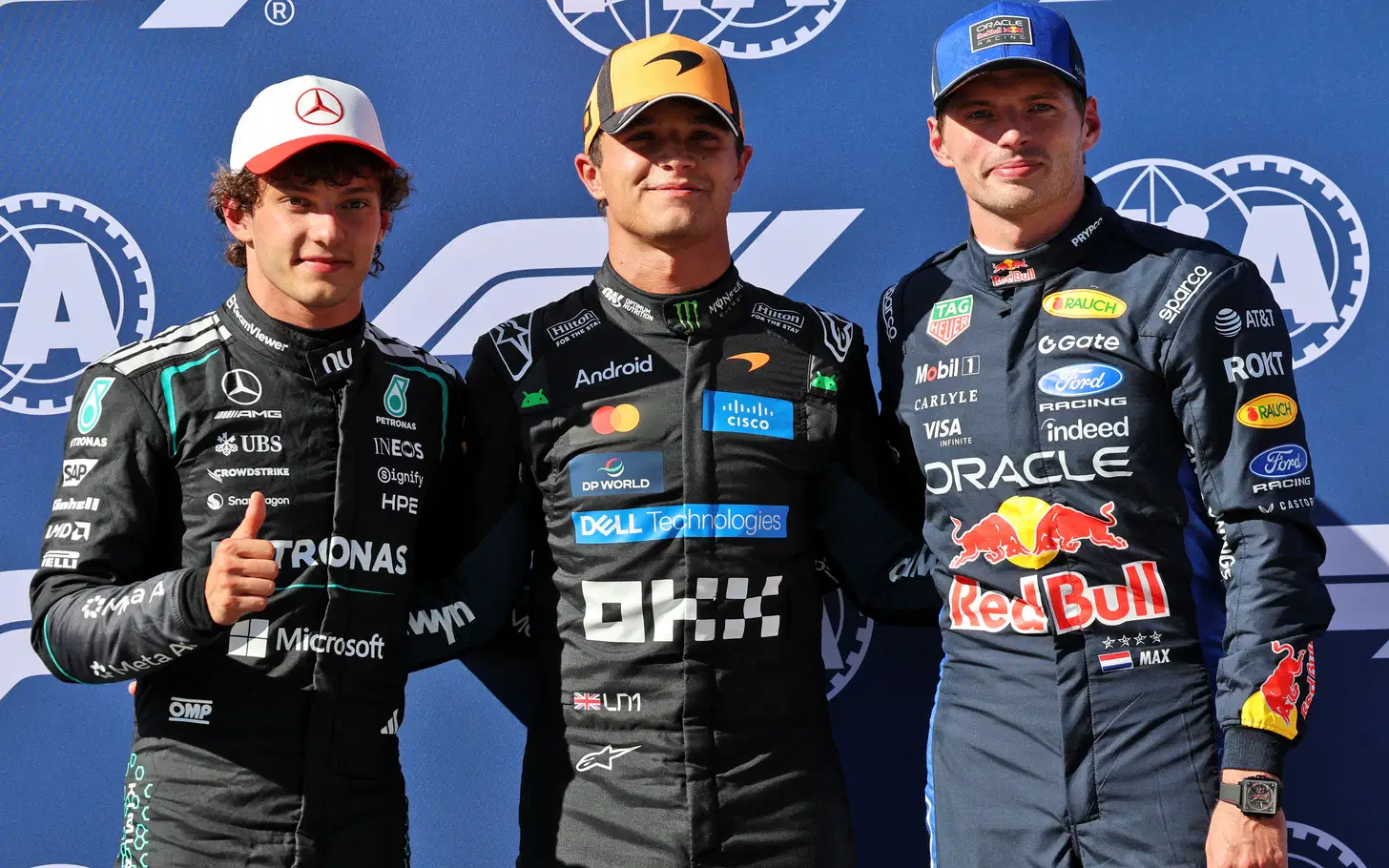
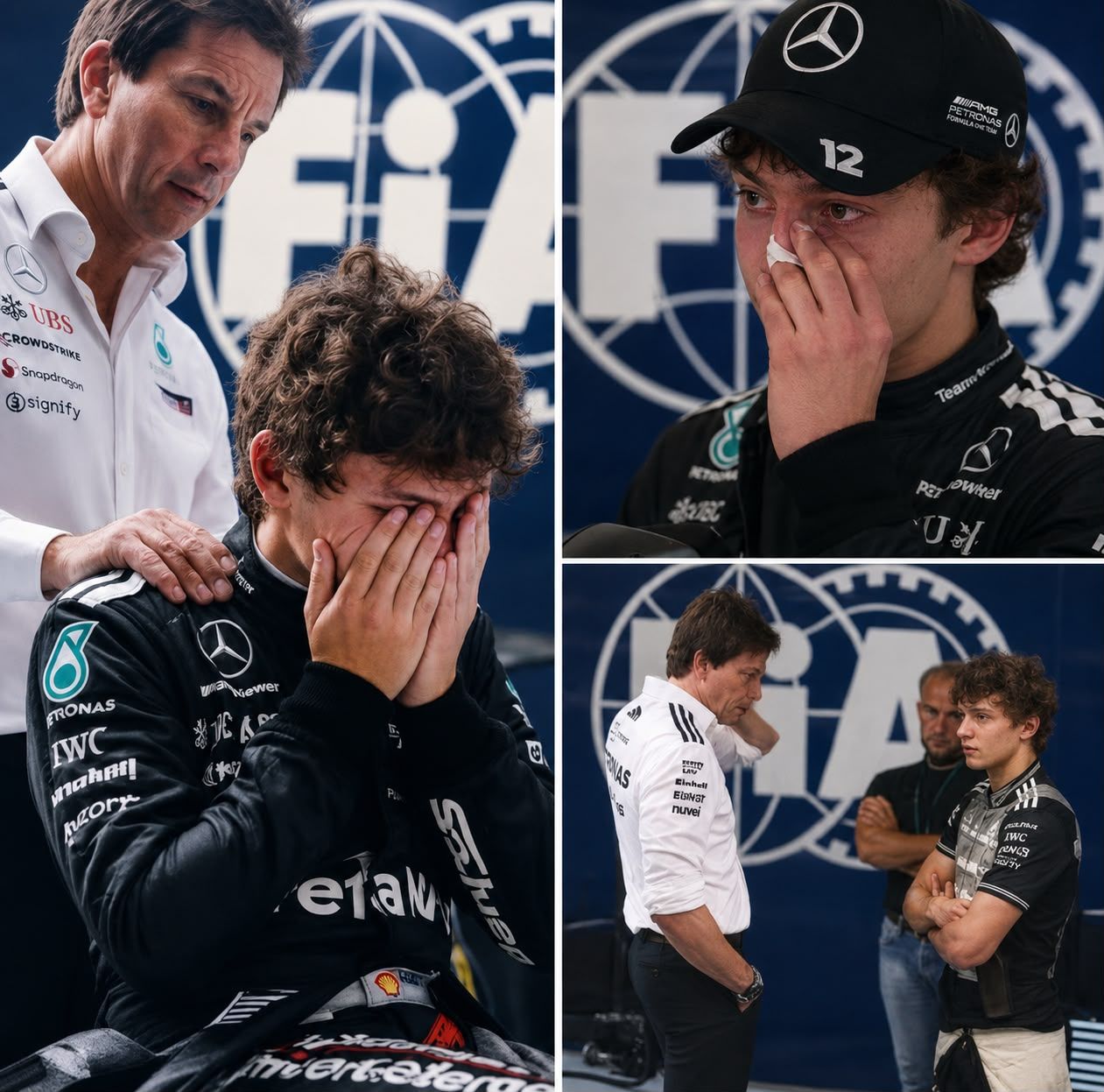
Heading into the weekend, much of the spotlight is on the championship leader, Kimi Antonelli, who has been enjoying an exceptional run of form. The Mercedes driver has already secured multiple pole positions this season and will be aiming to add another to his tally in Barcelona. His consistency and pace have made him the driver to beat, but strong challenges are expected from rivals across the grid.
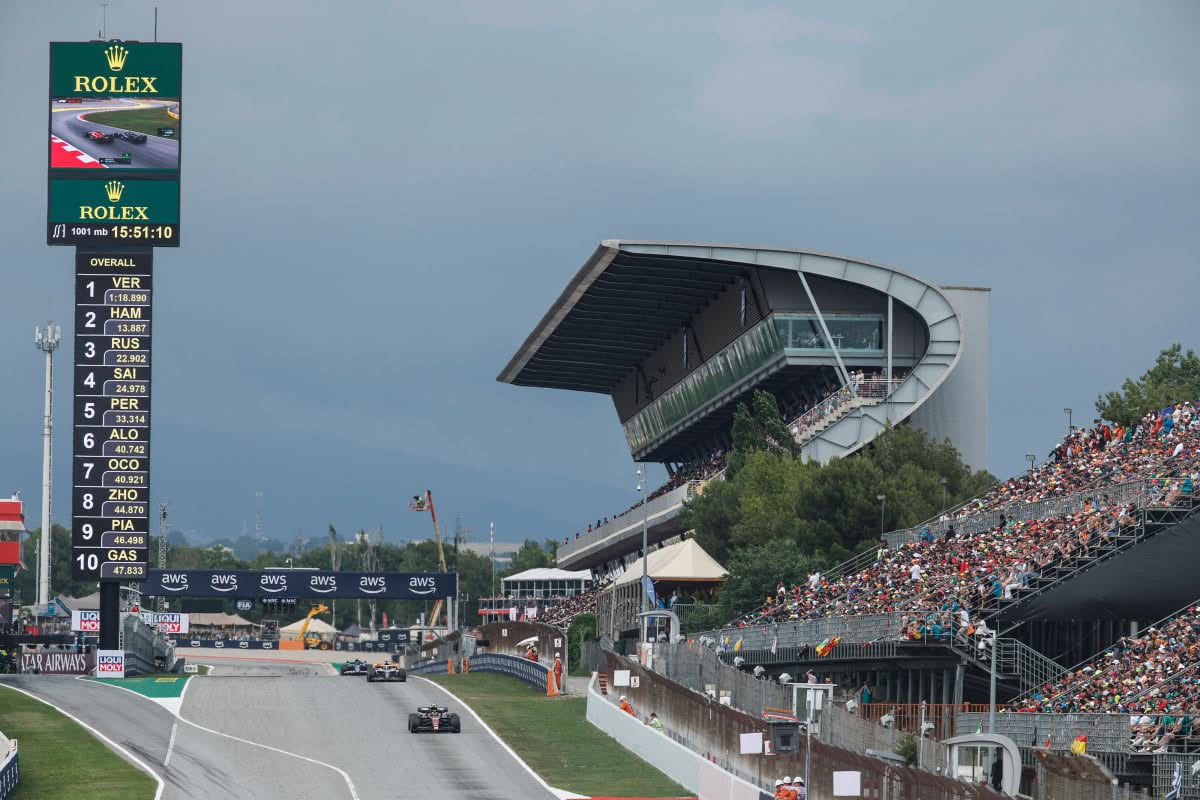
The Circuit de Barcelona-Catalunya itself provides a stern test for both drivers and engineers. Known for its combination of high-speed corners, technical sections, and long straights, the track demands a well-balanced car setup. Teams must find the right compromise between downforce for cornering and straight-line speed for overtaking opportunities.
Saturday’s schedule begins earlier in the day with the third and final practice session, allowing teams one last opportunity to fine-tune their setups before qualifying. Free Practice 3 typically serves as a dress rehearsal for qualifying, with teams focusing on low-fuel runs and performance simulations. Once this session concludes, attention quickly shifts to the main event of the day.
As the qualifying hour approaches, anticipation builds among fans watching both at the circuit and around the world. The session often delivers dramatic moments, from last-lap improvements to unexpected eliminations. Weather conditions, track evolution, and tyre strategy all play a role in shaping the outcome.
For viewers across different regions, the timing of the session may vary depending on time zones. However, the confirmed start time of 16:00 local time ensures that European audiences can follow the action conveniently in the afternoon, while fans in other parts of the world adjust accordingly.
The importance of qualifying in Barcelona cannot be overstated. Historically, drivers starting from pole position or the front row have enjoyed a significant advantage, given the circuit’s limited overtaking opportunities. This places added pressure on drivers to deliver a flawless performance during the session.
Beyond the on-track action, the 2026 Barcelona-Catalunya Grand Prix also carries broader significance for the sport. With Spain hosting two races in the same season for the first time in years, Formula 1 continues to expand its presence in key markets. The introduction of the Madrid race later in the calendar highlights the sport’s growing popularity and evolving landscape.
As teams prepare for qualifying, strategies will revolve around tyre management and track positioning. The timing of runs during each session can be critical, as drivers aim to set their fastest laps when track conditions are at their best. Traffic management also becomes a factor, particularly in Q1 and Q2, where multiple cars are on track simultaneously.
Ultimately, the qualifying session will set the stage for Sunday’s race, determining who has the best chance of fighting for victory. With championship implications, team rivalries, and individual pride all on the line, the stakes could not be higher.
Fans can expect an intense and closely contested session, as drivers push their cars to the limit in pursuit of the perfect lap. Whether it is a dominant performance from a title contender or a surprise result from an underdog, qualifying in Barcelona rarely disappoints.
In summary, the 2026 Formula 1 Barcelona-Catalunya Grand Prix qualifying session is scheduled for 16:00 local time on Saturday, June 13, providing a pivotal moment in the race weekend. As the battle for pole position unfolds, all eyes will be on the drivers as they compete for a crucial advantage on one of Formula 1’s most iconic circuits.