
The controversy surrounding the 2026 Monaco Grand Prix continues to deepen, with fresh developments suggesting that the race result could yet be altered again. What initially appeared to be a dramatic but concluded event has now spiraled into one of the most complex regulatory disputes Formula One has seen in years. With teams considering legal action and appeals, the situation remains fluid, and the final classification may still be far from settled.
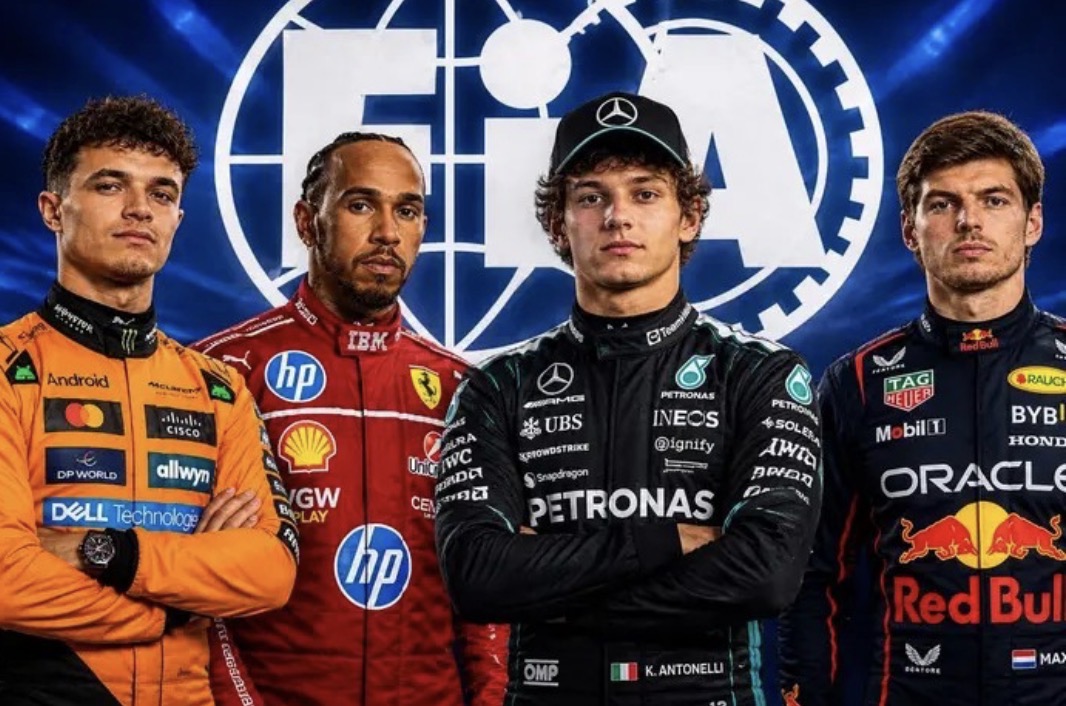
At the center of the unfolding drama is the decision by the FIA to overturn penalties that were originally issued during the race. Several drivers had been penalized for exceeding the pit lane speed limit, a rule that is strictly enforced given the safety risks involved in the narrow confines of Monaco’s pit lane. Among those affected were drivers from multiple top teams, including Mercedes, McLaren, Red Bull, and Alpine.
However, the situation took a dramatic turn when Alpine successfully challenged the penalties imposed on their driver. Through a formal “Right of Review” process, the team presented new evidence indicating that the speed measurements used to determine the infractions were flawed. The issue was traced back to a discrepancy in the positioning of timing loops, which led to incorrect calculations of car speeds in the pit lane.
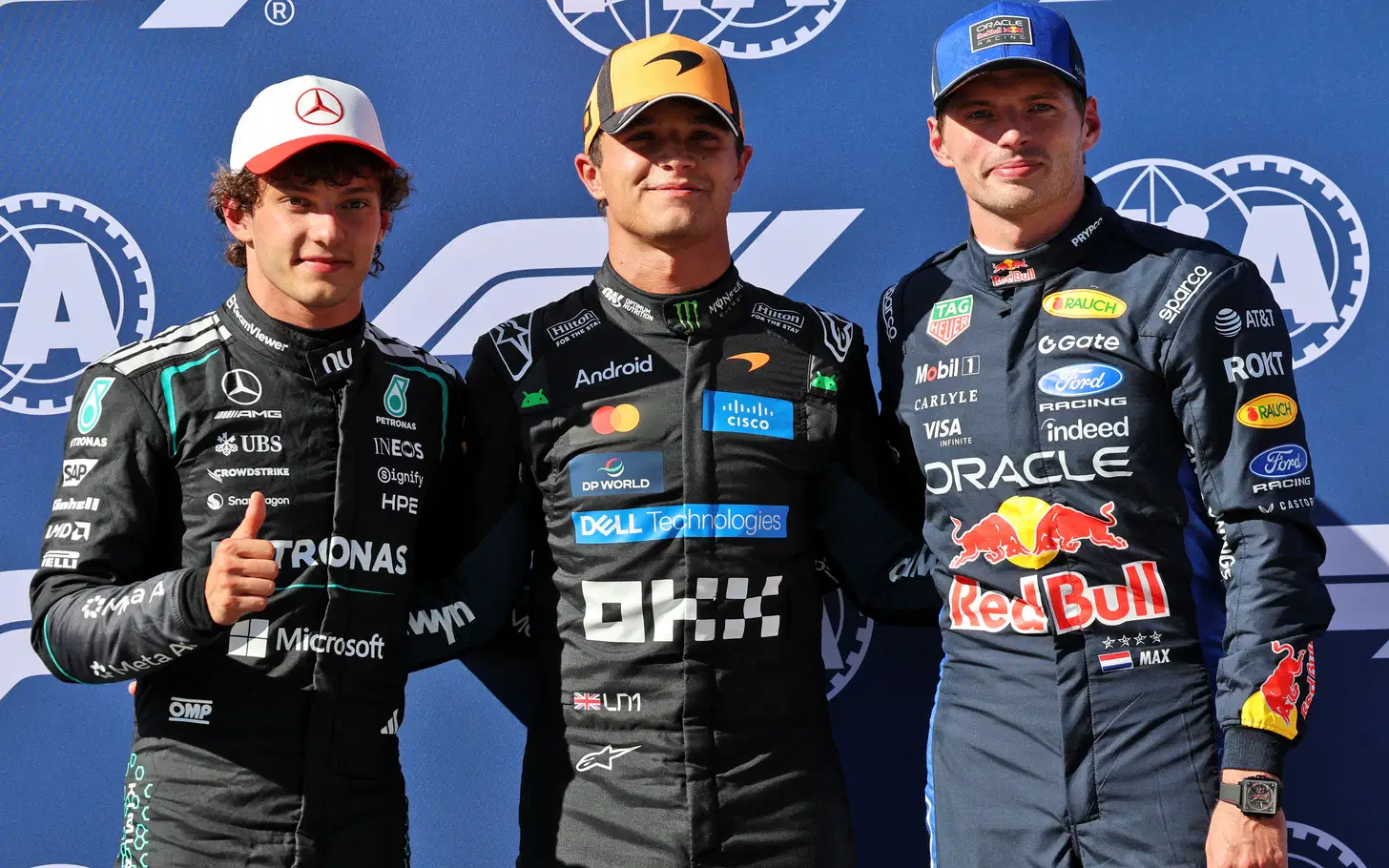
As a result, the FIA acknowledged that at least some of the penalties had been wrongly applied. One of the most significant consequences of this finding was the reinstatement of a driver to a podium position after having initially been demoted. This decision triggered a reshuffling of the final standings, impacting several teams and altering the championship points distribution.
Despite this correction, the controversy has only intensified. The revised results have not been universally accepted, and multiple teams are now considering further action. Reports indicate that both McLaren and Red Bull have signaled their intention to appeal, arguing that the process has been inconsistent and unfair.
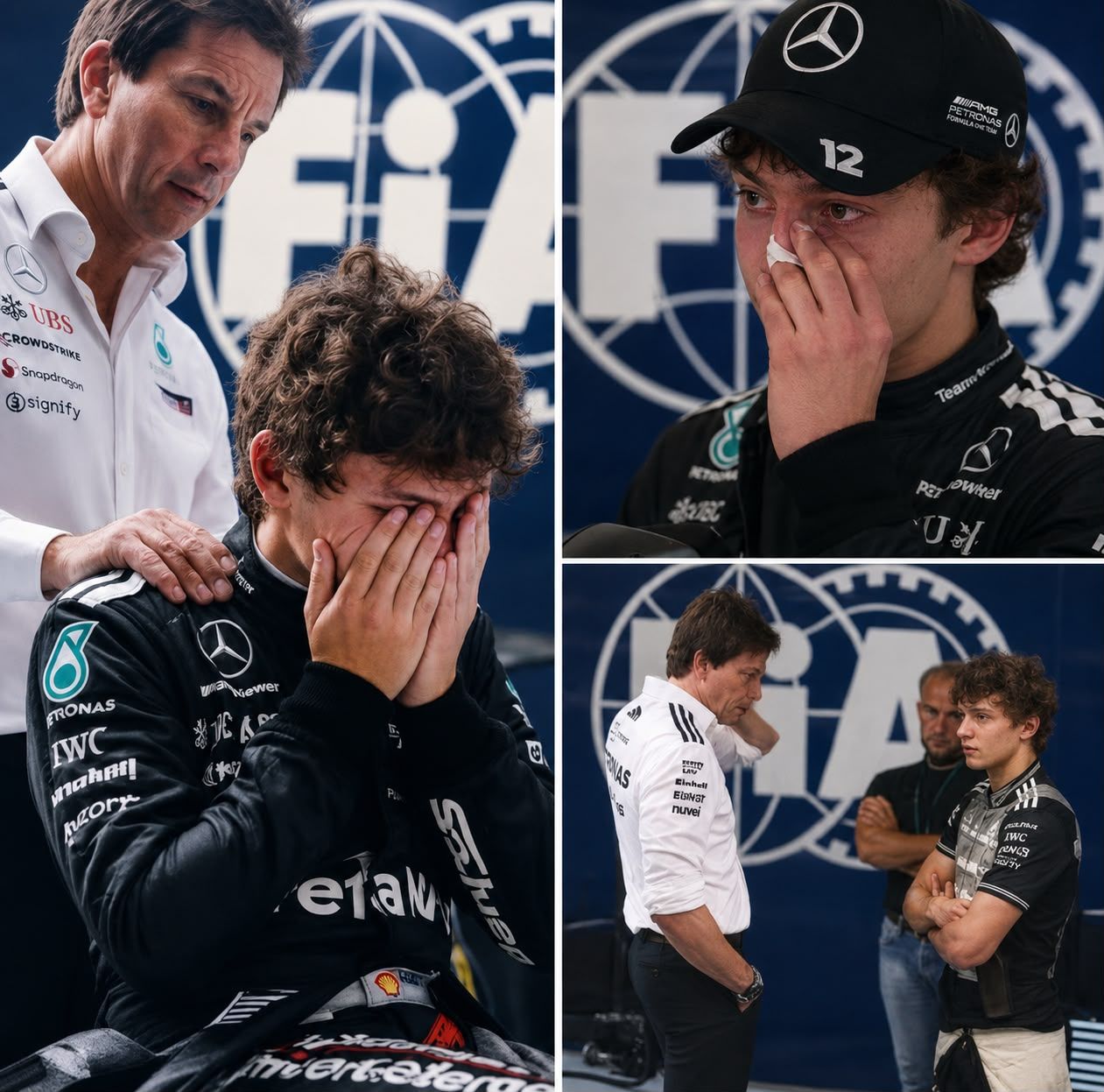
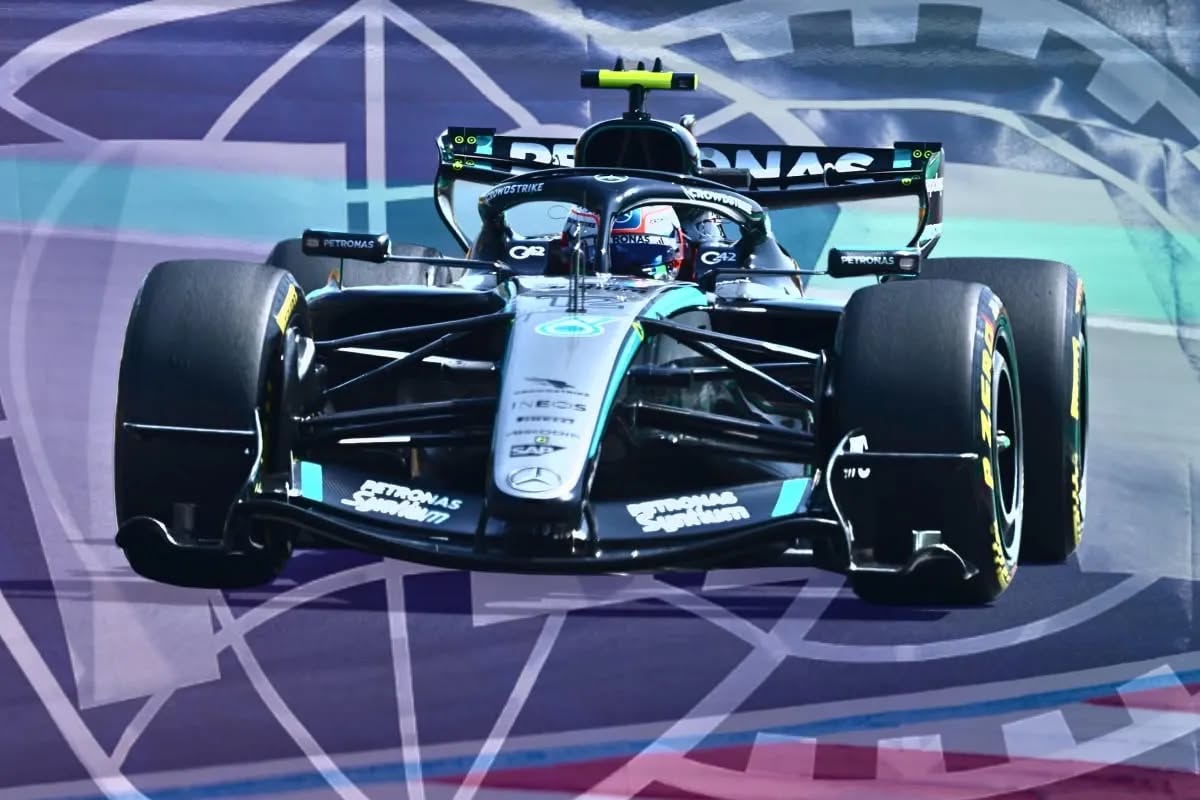
Mercedes, in particular, has emerged as one of the most vocal critics of the situation. The team is reportedly consulting legal experts to explore its options, highlighting the seriousness of the dispute. Their frustration stems largely from the fact that one of their drivers served a penalty during the race—one that cannot now be reversed, even though the underlying evidence has been discredited.
This has created a significant imbalance in how the situation has been handled. Drivers who were able to challenge their penalties after the race have benefited from the FIA’s revised decision, while those who served penalties in real time have effectively been left without recourse. The governing body has admitted that its current regulations do not allow for retroactive compensation in such cases, leaving affected teams feeling aggrieved.
The controversy has also raised broader concerns about the reliability of Formula One’s officiating systems. The fact that a technical error—specifically, a miscalculation caused by a discrepancy of just a few centimeters—could have such a significant impact on race outcomes has led to questions about the robustness of the sport’s measurement technology.
Adding to the tension is the suggestion that the issue may have been known, at least in part, before the race concluded. Reports indicate that anomalies in the timing data were not fully investigated until after the event, which has fueled criticism of the FIA’s handling of the situation. Teams have questioned why corrective action was not taken earlier, potentially preventing the cascade of errors that followed.
In the midst of all this, the possibility of yet another change to the race result looms large. If additional appeals are lodged—and subsequently upheld—the classification could be revised again, further complicating the championship standings. Such an outcome would be unprecedented in modern Formula One and could have far-reaching implications for the sport’s governance.
The Monaco Grand Prix, traditionally regarded as one of the crown jewels of the F1 calendar, has now become a focal point for controversy rather than celebration. Instead of being remembered solely for on-track action, the 2026 edition is increasingly defined by its off-track disputes and administrative complications.
For Mercedes, the stakes are particularly high. The team has enjoyed a dominant start to the season, with its drivers consistently finishing at the front and building a strong lead in both the Drivers’ and Constructors’ Championships. However, the Monaco situation threatens to disrupt that momentum, not necessarily through performance, but through regulatory uncertainty and potential points redistribution.
The involvement of legal representatives underscores how serious the matter has become. While Formula One has mechanisms in place for appeals and reviews, the prospect of teams seeking legal avenues highlights a growing lack of confidence in the sport’s internal processes. It also raises the possibility of prolonged disputes that could extend well beyond the race weekend.
Meanwhile, other teams are closely monitoring the situation, aware that any further changes could either benefit or harm their positions. The interconnected nature of race results means that even small adjustments can have significant ripple effects across the standings.
The FIA has acknowledged the issues and indicated that steps will be taken to prevent similar incidents in the future. This may include improvements to timing systems, clearer procedures for handling anomalies, and potential revisions to the rules governing penalties and appeals. However, restoring trust will require more than technical fixes; it will demand transparency, consistency, and a commitment to fairness.
As the Formula One calendar moves on to the next race, the shadow of Monaco lingers. Drivers and teams must attempt to refocus on performance, even as uncertainty hangs over the results of one of the season’s most important events. The possibility of further changes ensures that the story is far from over.
Ultimately, the 2026 Monaco Grand Prix serves as a stark reminder that in modern Formula One, the outcome of a race is not always decided solely on the track. Administrative decisions, technical systems, and regulatory frameworks play an increasingly significant role—and when they falter, the consequences can be profound. Whether the results change again or not, the lessons from Monaco will likely shape the sport for years to come.