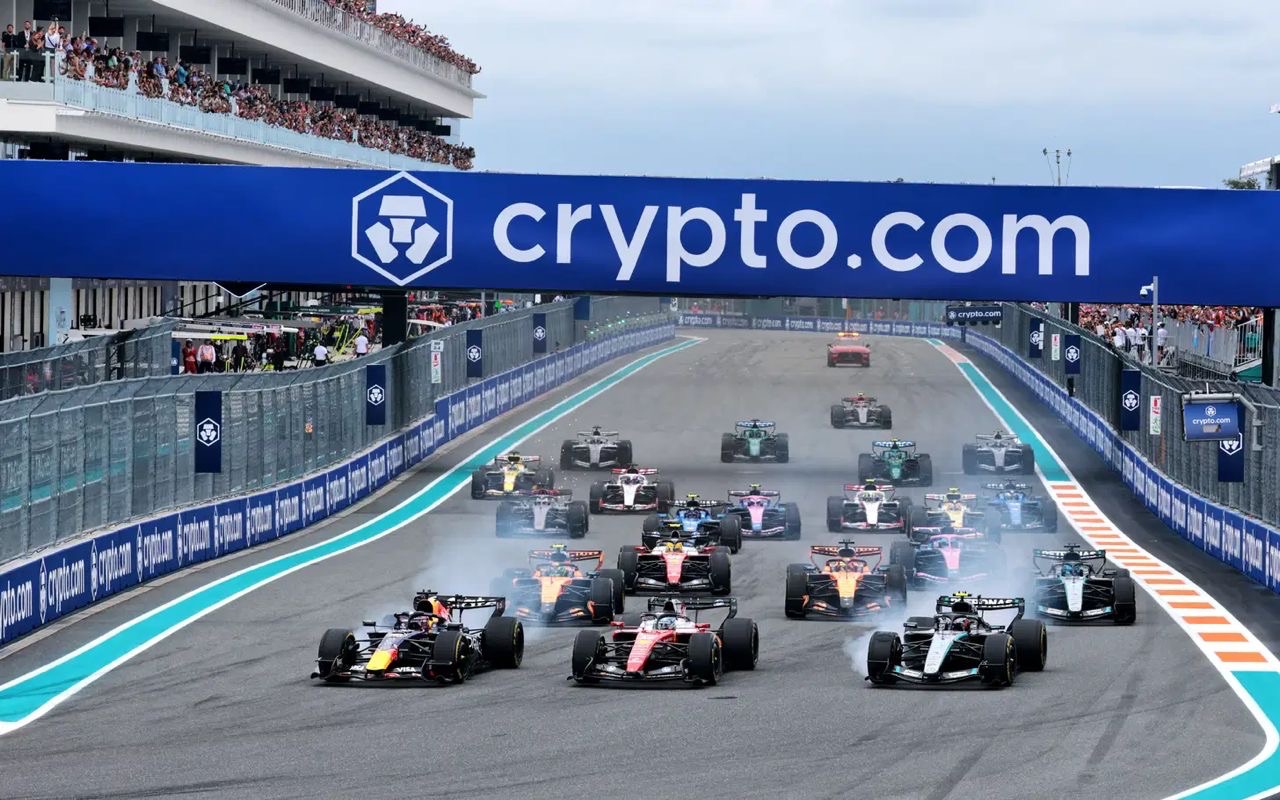
The final classification of the 2026 Formula 1 Miami Grand Prix underwent a significant reshuffle after post-race intervention from the FIA, dramatically altering how the results looked once the chequered flag had fallen. What initially appeared to be a straightforward conclusion to an action-packed race quickly turned into a story of penalties, investigations, and revised standings that reshaped the final order.
At the heart of the controversy was Ferrari driver Charles Leclerc, whose race came under intense scrutiny from the stewards after multiple incidents during the Grand Prix. While the Monegasque driver had crossed the finish line in a relatively strong position, his on-track conduct triggered several investigations. These included allegations that he repeatedly exceeded track limits and potentially gained an advantage, as well as concerns about the condition of his car after sustaining damage late in the race.
Following a detailed review of the incidents, the FIA ultimately handed Leclerc a substantial 20-second time penalty. This decision had a major impact on the final standings, as it dropped him several positions down the order. According to the revised classification, the penalty pushed him down to eighth place, significantly altering the competitive picture for both Ferrari and its rivals.
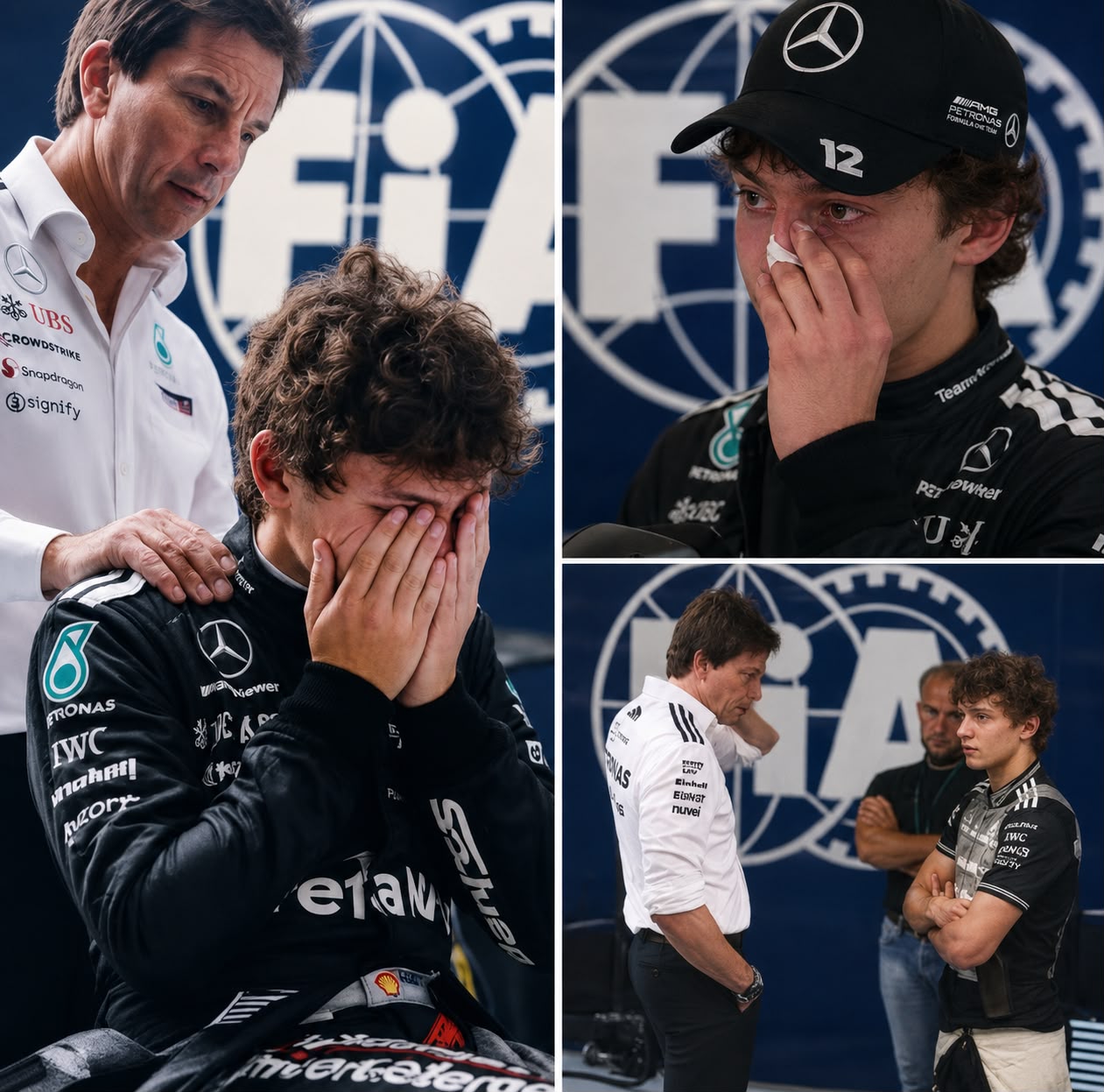
Before the penalty was applied, the race itself had already delivered plenty of drama. Mercedes’ rising star Kimi Antonelli once again demonstrated his exceptional form by claiming victory in Miami. The young Italian driver secured his third consecutive win, further strengthening his grip on the championship and underlining Mercedes’ dominance in the early stages of the 2026 season.
Antonelli’s triumph did not come easily, however. He faced intense pressure from McLaren’s Lando Norris, who finished in second place after pushing hard throughout the race. Norris had shown strong pace all weekend, building on McLaren’s improved performance following recent upgrades. Oscar Piastri completed the podium in third, ensuring a double podium finish for McLaren and confirming the team’s resurgence as a competitive force.
Behind the top three, the race featured several key battles and incidents that contributed to the post-race investigations. Max Verstappen, for instance, endured a challenging outing that included an early spin, yet he managed to recover and finish inside the top five. Despite receiving a minor time penalty of his own, it was not enough to significantly alter his finishing position.
George Russell and Lewis Hamilton also featured in the fight for points, representing Mercedes and Ferrari respectively, while other midfield runners capitalized on the chaos to move up the order. The race was marked by close wheel-to-wheel action, strategic pit stops, and changing conditions that tested both drivers and teams.
However, it was the FIA’s intervention after the race that truly reshaped the narrative. The stewards’ decisions highlighted the governing body’s strict enforcement of regulations, particularly regarding track limits and sporting conduct. Leclerc’s penalty served as a reminder that even minor infractions, when repeated or deemed advantageous, can carry severe consequences.
The adjusted results not only impacted individual drivers but also had implications for the constructors’ standings. Ferrari, which had initially looked set to secure a stronger points haul, ultimately lost valuable ground due to Leclerc’s demotion. Meanwhile, teams like McLaren and Mercedes benefited from the reshuffle, gaining additional points that could prove crucial as the season progresses.
Beyond the penalties, the Miami Grand Prix weekend itself was filled with unusual circumstances. The race start time had been moved earlier due to concerns about severe weather, including thunderstorms that threatened to disrupt the event. This decision, made jointly by the FIA and race organizers, ensured that the race could proceed safely but added another layer of complexity to the weekend.
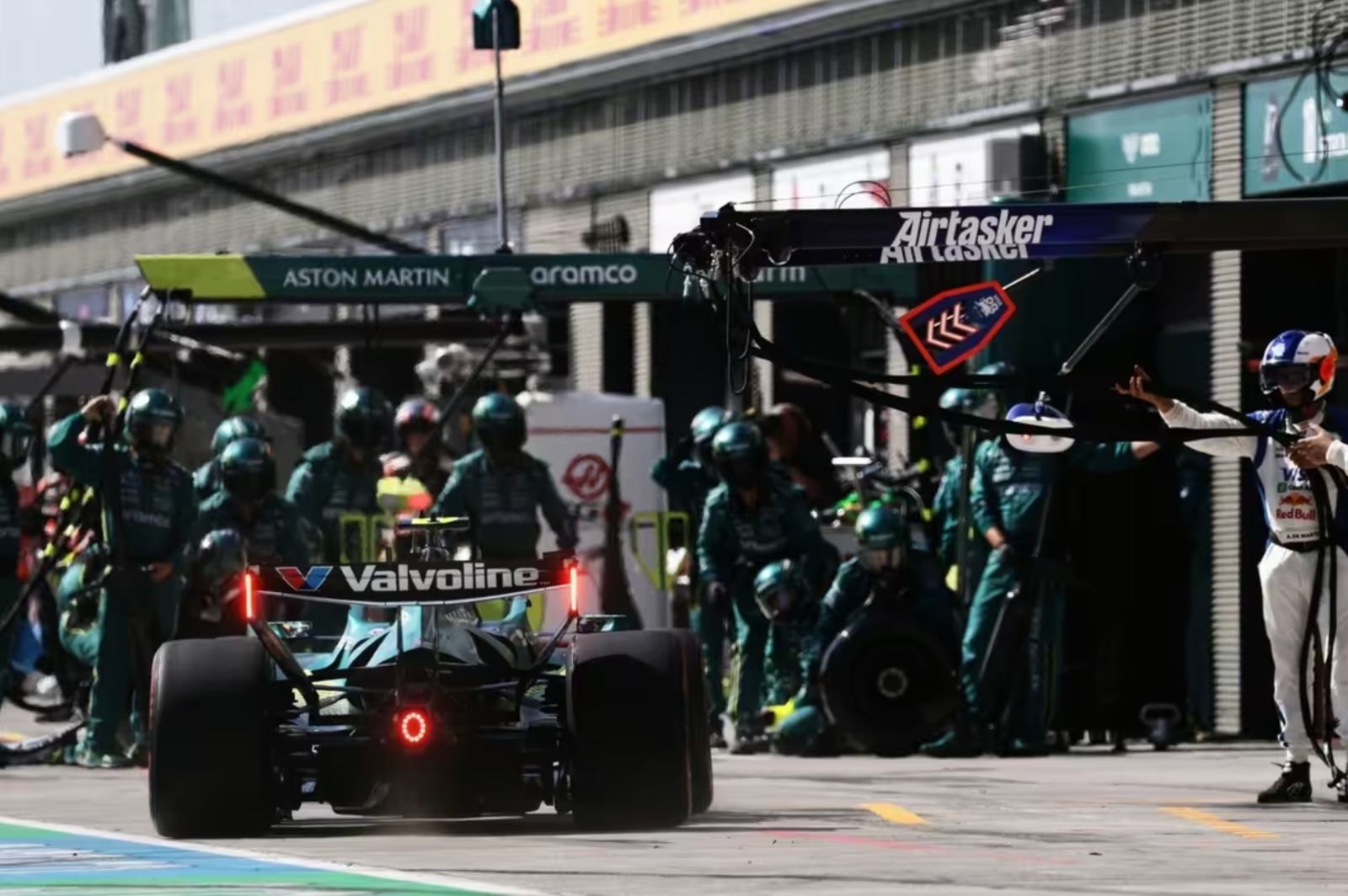
Additionally, the race weekend saw multiple investigations involving different drivers, emphasizing the high-pressure and often unpredictable nature of modern Formula 1. Incidents involving contact, pit exit procedures, and technical compliance all came under scrutiny, reinforcing the FIA’s commitment to maintaining fairness and safety.
In summary, the adjusted results of the 2026 Miami Grand Prix tell a story far more complex than the initial finishing order suggested. While Antonelli’s victory remains undisputed and continues to define the championship narrative, the reshuffling behind him underscores how post-race decisions can significantly alter outcomes. Leclerc’s penalty, in particular, stands out as the defining moment of the revised classification, transforming what could have been a solid result into a costly setback.
The events in Miami serve as a clear example of how Formula 1 races are not always decided at the finish line. Instead, they can extend into the stewards’ room, where decisions based on regulations and evidence can rewrite the final standings. As the 2026 season continues, teams and drivers will undoubtedly take note of these developments, knowing that every action on track is subject to review—and that even the smallest misstep can have major consequences.