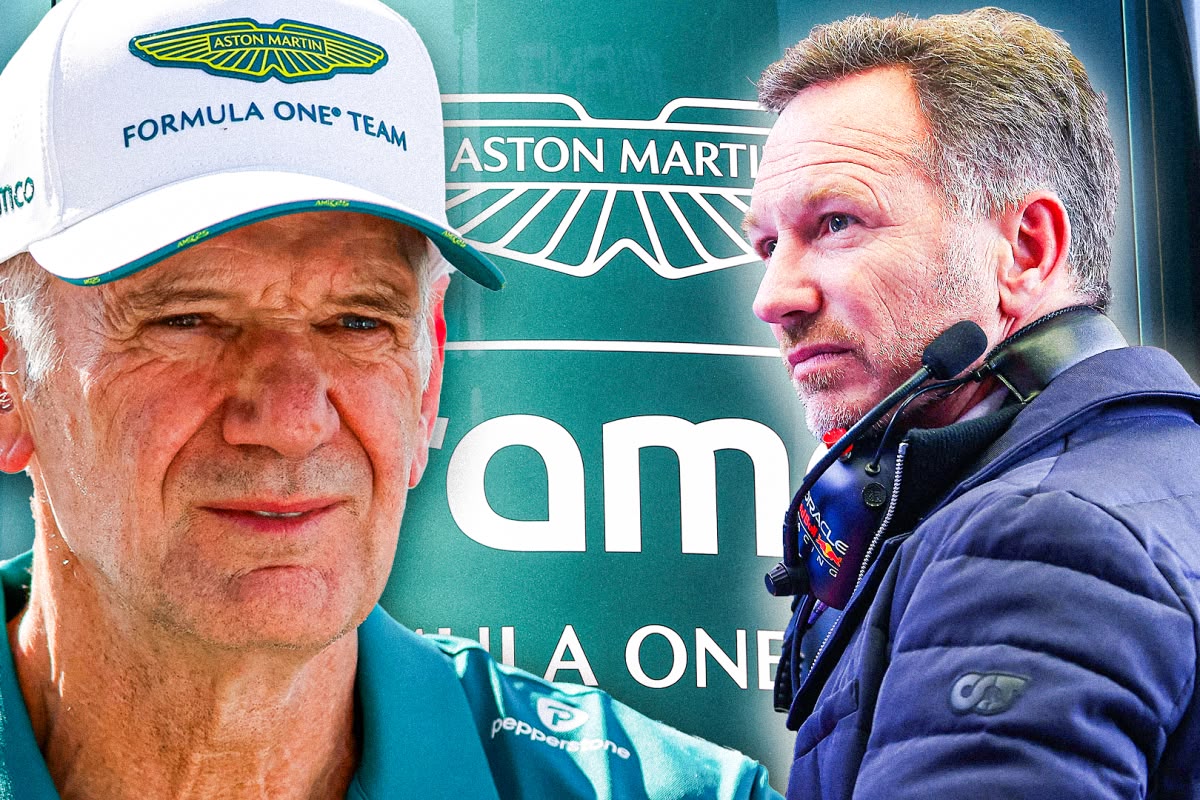

The latest developments in Formula 1 have once again placed two of the sport’s most influential figures Christian Horner and Adrian Newey firmly in the spotlight, as fresh reports and confirmations signal a potential reshaping of the competitive and managerial landscape within the paddock. The situation has sparked widespread discussion across the motorsport world, particularly regarding Horner’s long-anticipated return and Newey’s evolving role at Aston Martin.
Christian Horner, one of the most successful team principals in modern Formula 1 history, has officially taken steps back into the F1 environment following a period of absence that began after his departure from Red Bull Racing. Having led the Milton Keynes-based outfit for nearly two decades, Horner built a legacy that included multiple Drivers’ and Constructors’ Championships, establishing himself as a central figure in the sport’s modern era.
His exit from Red Bull in 2025 marked the end of an era, but it also opened the door to speculation about where and when he might re-emerge. That speculation has now gained traction, as Horner has been seen returning to the Formula 1 paddock and signaling a willingness to re-engage with the sport under the right conditions. His reappearance alone has generated excitement, but what has intensified interest further is the suggestion that his comeback could align with significant structural changes within rival teams.
At the same time, Adrian Newey widely regarded as one of the greatest designers in Formula 1 history has become a central figure in this unfolding narrative. Now operating as a senior leader at Aston Martin, Newey holds a powerful position that combines technical authority with strategic influence. His move away from Red Bull and into a leadership role at Aston Martin was already one of the most significant transfers in recent years, and it continues to shape the competitive balance of the sport.
Despite persistent rumors linking Horner with a possible move to Aston Martin, Newey has publicly downplayed the likelihood of such a reunion in the immediate future. He has emphasized that the team is currently satisfied with its existing management structure, suggesting that there is no urgent need for a high-profile addition like Horner. This stance indicates a level of stability within Aston Martin’s leadership, even as external speculation continues to swirl.
Nevertheless, Newey has acknowledged that some adjustments at the managerial level may occur as the team seeks to improve its performance. Aston Martin has faced a challenging 2026 season so far, struggling to consistently compete with the front-runners and finding itself lower in the standings than anticipated. These difficulties have prompted internal evaluations and discussions about how best to strengthen the organization moving forward.
The possibility of Horner joining Aston Martin—or any other team—remains an intriguing prospect, particularly given his proven track record of transforming organizations into championship contenders. However, reports suggest that Horner is not interested in returning to Formula 1 in a conventional capacity. Instead, he is believed to be seeking a role that offers not only leadership authority but also a stake in ownership, allowing him to influence the long-term direction of whichever team he joins.
This requirement significantly narrows the range of potential destinations, as only a handful of teams would be willing or able to offer such an arrangement. It also underscores Horner’s ambition to move beyond the traditional team principal role and into a more strategic, investment-driven position within the sport.
Meanwhile, the historical relationship between Horner and Newey continues to add another layer of intrigue to the situation. The two men were instrumental in building Red Bull Racing into a dominant force, combining Newey’s technical brilliance with Horner’s leadership and management expertise. Their partnership produced numerous championship-winning cars and helped define an era of success for the team.
However, their paths have since diverged, and there have been suggestions of tensions or differing priorities in the later stages of their time together at Red Bull. While neither has publicly confirmed any major fallout, the dynamic between them has evolved, and any potential reunion would likely depend on aligning their respective visions for the future.
For Aston Martin, the current focus remains on improving performance and maximizing the potential of its resources. The team has invested heavily in infrastructure, personnel, and technology, signaling its intent to become a serious contender in the coming years. Newey’s presence is a key part of that strategy, as his expertise in car design and development is expected to play a crucial role in the team’s long-term progress.
Despite recent struggles on the track, there is a sense of cautious optimism within the organization. New upgrades and ongoing development efforts are aimed at addressing weaknesses and closing the gap to the leading teams. If these improvements begin to yield results, Aston Martin could emerge as a more attractive destination for high-profile figures like Horner.
Ultimately, the situation remains fluid, with multiple factors influencing how events will unfold. Horner’s return to Formula 1 appears increasingly likely, but the timing and nature of that return are still uncertain. Whether he joins Aston Martin, aligns with another team, or pursues an entirely different opportunity, his presence is expected to have a significant impact on the sport.
At the same time, Newey’s role as both a technical leader and a decision-maker ensures that he will continue to shape the direction of whichever team he is part of. His influence extends beyond car design, affecting broader strategic decisions that determine a team’s competitiveness.
As Formula 1 continues to evolve, the movements and decisions of figures like Horner and Newey will remain central to the narrative. Their past successes, combined with their ongoing ambitions, ensure that any developments involving them will be closely watched by fans, teams, and stakeholders alike.
In the end, the confirmation of Horner’s renewed involvement in the Formula 1 environment, coupled with Newey’s firm stance on Aston Martin’s current structure, highlights a sport in transition. The coming months could bring further clarity and possibly major changes as teams position themselves for future success in an increasingly competitive and dynamic landscape.