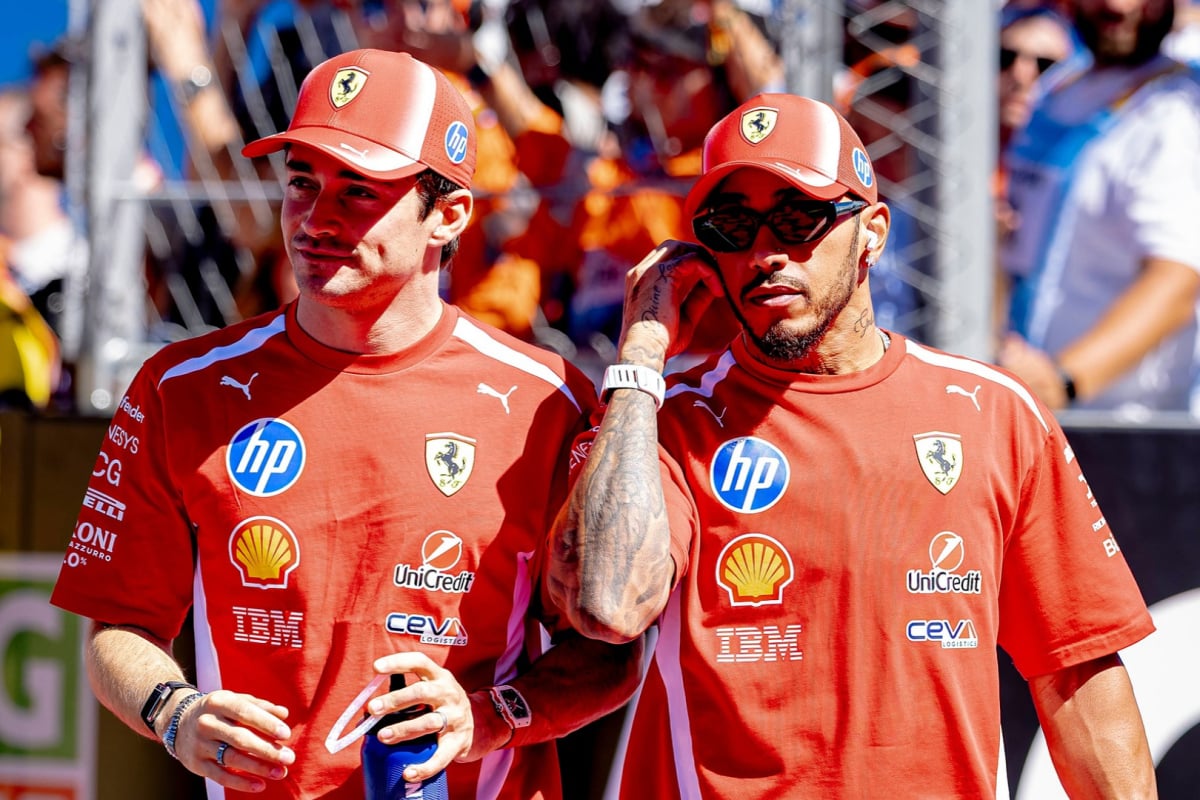
The excitement surrounding the 2026 Formula 1 season continues to build as attention shifts to one of the calendar’s most thrilling venues the Austrian Grand Prix. With fans eagerly anticipating the action, one of the most important details now confirmed is the official starting time for the race weekend’s main event.
The 2026 Austrian Grand Prix is scheduled to take place at the iconic Red Bull Ring in Spielberg, Austria, a circuit well known for its breathtaking scenery, high-speed straights, and dramatic elevation changes. As Round 8 of the championship, the race arrives at a crucial point in the season where title battles are beginning to take clearer shape. Drivers and teams alike understand the importance of maximizing performance at this stage, making the timing and preparation for the race even more significant.
According to the confirmed schedule, the Grand Prix itself will begin at 15:00 local time (CEST) on Sunday, June 28, 2026. This timing aligns with Formula 1’s traditional European race slots, ensuring optimal viewing conditions for global audiences while also maintaining favorable track conditions for drivers. For fans watching from different parts of the world, including Africa, this means adjusting to local time zones to catch the action live.
The Austrian Grand Prix weekend follows the standard Formula 1 format, beginning with practice sessions on Friday. The first practice session is set to start at 13:30 local time, followed by the second session later in the day at 17:00. These sessions are vital for teams as they gather data, test car setups, and adapt to track conditions. With evolving weather and tire strategies often playing a role in Austria, these early sessions can prove decisive.
Saturday’s schedule continues with the final practice session at 12:30, leading into the all-important qualifying session at 16:00. Qualifying at the Red Bull Ring is always highly competitive due to the circuit’s relatively short lap length, which results in extremely tight margins between drivers. A fraction of a second can separate pole position from the rest of the grid, making precision and timing absolutely critical.
Sunday then brings the highlight of the weekend — the race itself. The 71-lap contest promises high-speed action, overtaking opportunities, and strategic battles. The Red Bull Ring has a history of producing unpredictable and entertaining races, often influenced by safety cars, weather shifts, and bold team strategies.
The confirmation of the race start time is particularly important for fans planning their viewing schedules. Formula 1 continues to grow globally, and ensuring clarity around race timings helps maintain strong engagement across different regions. For viewers in countries like Nigeria, the 15:00 CEST start translates to an afternoon broadcast, making it relatively convenient compared to late-night races in other parts of the calendar.
Beyond just the timing, the Austrian Grand Prix carries significant weight in the broader context of the 2026 season. Recent races have already introduced major shifts in momentum, with different teams showing flashes of dominance. The competitive balance appears tighter than ever, and Austria could play a pivotal role in shaping the championship narrative.
The Red Bull Ring itself adds another layer of intrigue. Originally built in 1969 and later redesigned, the circuit combines modern safety standards with classic racing challenges. Its layout, featuring long straights followed by heavy braking zones, creates ideal conditions for overtaking. Drivers must balance aggression with precision, as mistakes can be costly in such a fast-paced environment.
Additionally, the altitude of the circuit presents unique technical challenges. Engines and cooling systems are put under extra strain, requiring teams to carefully manage performance and reliability. These factors often lead to unexpected outcomes, keeping fans on the edge of their seats throughout the race.
As anticipation builds, teams will be finalizing their strategies, analyzing data from previous races, and preparing upgrades where possible. Every detail matters from tire selection to pit stop execution especially at a track where margins are incredibly small.
Fans can also expect comprehensive coverage of the event, with live broadcasts available through various platforms, including official streaming services. Modern Formula 1 coverage offers more than just the race itself, providing onboard cameras, team radio, and in-depth analysis that bring viewers closer to the action than ever before.
In summary, the confirmation of the 2026 Austrian Grand Prix start time provides clarity for fans and teams alike as preparations intensify for another exciting race weekend. Scheduled for 15:00 local time on Sunday, June 28, the race promises to deliver all the drama, speed, and unpredictability that Formula 1 is known for.
With the championship battle heating up and the unique challenges of the Red Bull Ring coming into play, the Austrian Grand Prix is shaping up to be a must-watch event. Whether it’s strategic brilliance, wheel-to-wheel racing, or unexpected twists, this race has all the ingredients needed to leave a lasting impact on the 2026 season.
As the countdown continues, one thing is certain when the lights go out in Spielberg, fans around the world will be watching closely as another chapter in the Formula 1 story unfolds.