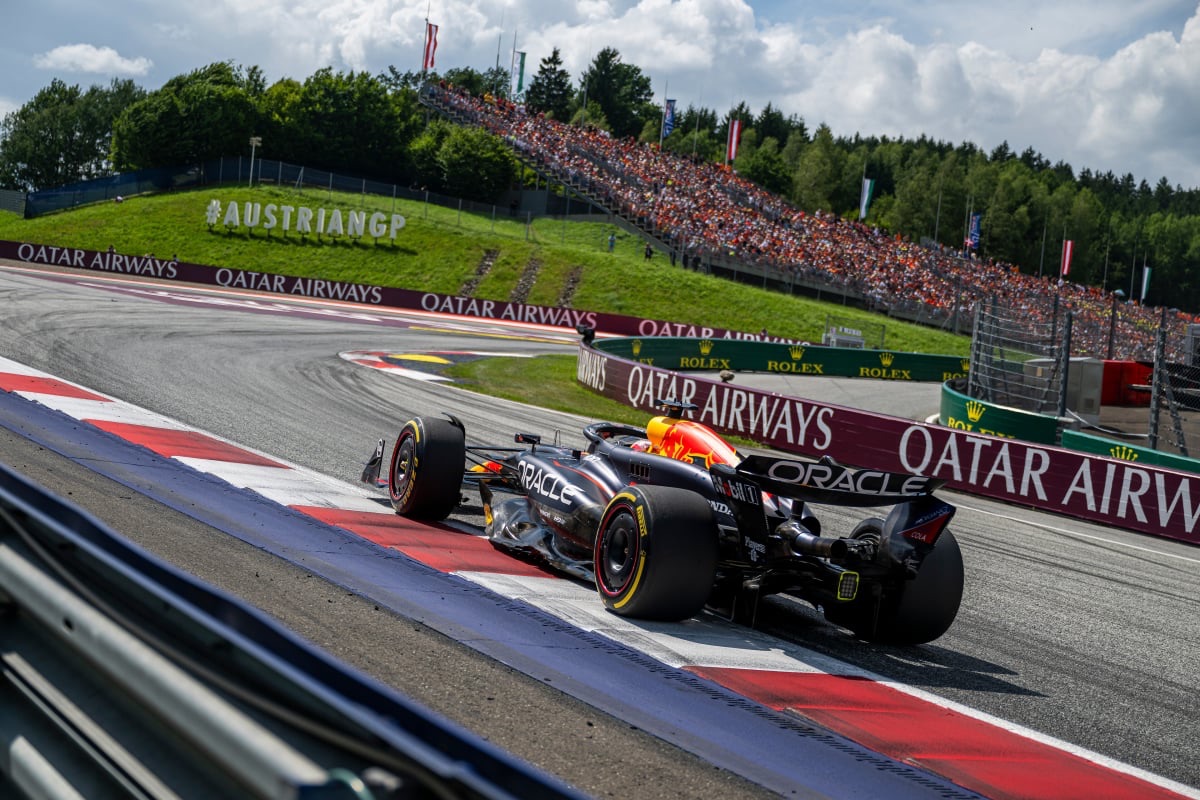
Red Bull Racing are preparing to roll out one of their most ambitious upgrade packages of the 2026 Formula 1 season at this weekend’s Austrian Grand Prix, as the team looks to improve performance and strengthen its chances of retaining four-time world champion Max Verstappen.
The Milton Keynes-based outfit has endured a challenging start to Formula 1’s new regulatory era. Despite entering the campaign with high hopes, Red Bull have struggled to consistently match the pace of leading rivals Ferrari and Mercedes, leaving Verstappen frustrated and currently sitting seventh in the drivers’ championship standings.
In response, the team has spent months developing a comprehensive update package aimed at addressing some of the RB’s biggest weaknesses. According to reports, Red Bull have successfully reduced the car’s weight to the minimum limit required under the current regulations, a significant achievement after beginning the season carrying approximately 12 kilograms of excess weight.
The latest upgrades, set to debut at the Red Bull Ring in Spielberg, include a redesigned sidepod concept and a completely revised floor. Engineers have also introduced lighter materials and streamlined internal systems to eliminate unnecessary weight while remaining compliant with Formula 1’s strict technical regulations.
The weight reduction is expected to deliver immediate performance benefits. A lighter car can improve acceleration, braking efficiency, tyre management, and cornering speed—areas where Red Bull have struggled compared to their rivals throughout the season. Team personnel believe the improvements could help close the performance gap and provide a much-needed boost in Austria.
However, Red Bull team principal Laurent Mekies has acknowledged that the upgrade package may not be enough on its own to transform the team’s fortunes overnight. While the changes represent an important step forward, Mekies recently admitted that additional development will still be required if Red Bull are to return to the front of the grid on a consistent basis.
The timing of the upgrades is particularly important given the growing speculation surrounding Verstappen’s long-term future. Although the Dutch driver remains contracted to Red Bull until the end of 2028, reports suggest his deal contains performance-related clauses that could potentially allow him to leave earlier under certain circumstances.
With Verstappen currently outside the championship’s top positions, questions have emerged about whether he could consider alternative options if Red Bull fail to provide a competitive package. Rival teams have been closely monitoring the situation, while rumours regarding possible future moves continue to circulate throughout the paddock.
For Red Bull management, demonstrating clear progress is crucial. Keeping Verstappen satisfied remains one of the team’s highest priorities, and delivering a faster, more competitive car could play a major role in convincing him that the project remains on the right track.
As Formula 1 heads to Austria, all eyes will be on Red Bull’s latest developments. The home race presents an ideal opportunity to showcase the effectiveness of the upgrades, but it may also prove to be a defining weekend in the ongoing effort to secure Verstappen’s future and revive the team’s championship ambitions.