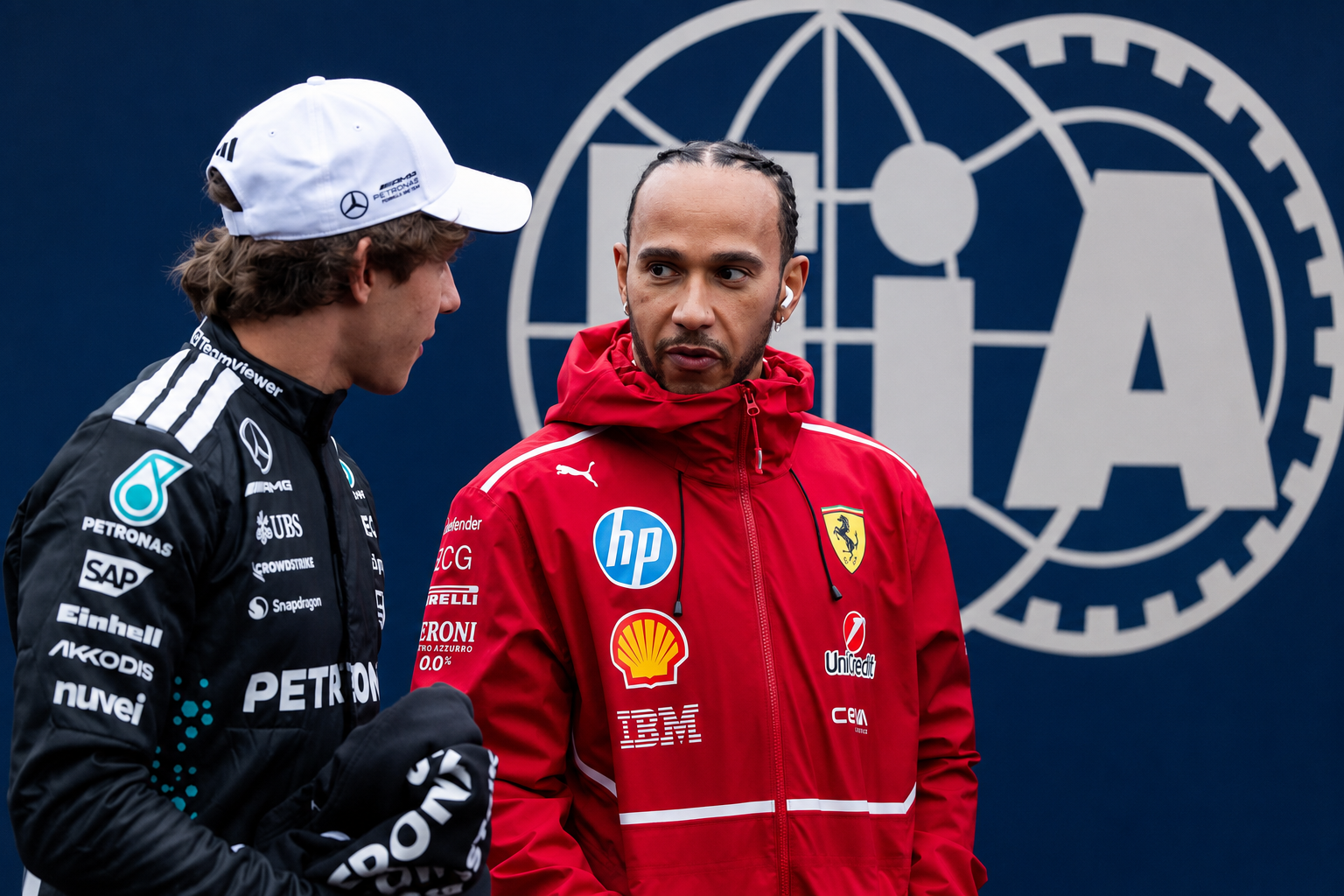
The starting grid for the 2026 Formula 1 Canadian Grand Prix has undergone several revisions following a series of penalties and technical infringements that reshuffled the order established during qualifying. What initially appeared to be a straightforward lineup after an intense qualifying session at Montreal’s Circuit Gilles Villeneuve has become significantly more complicated, creating fresh opportunities and challenges for drivers and teams ahead of the race.
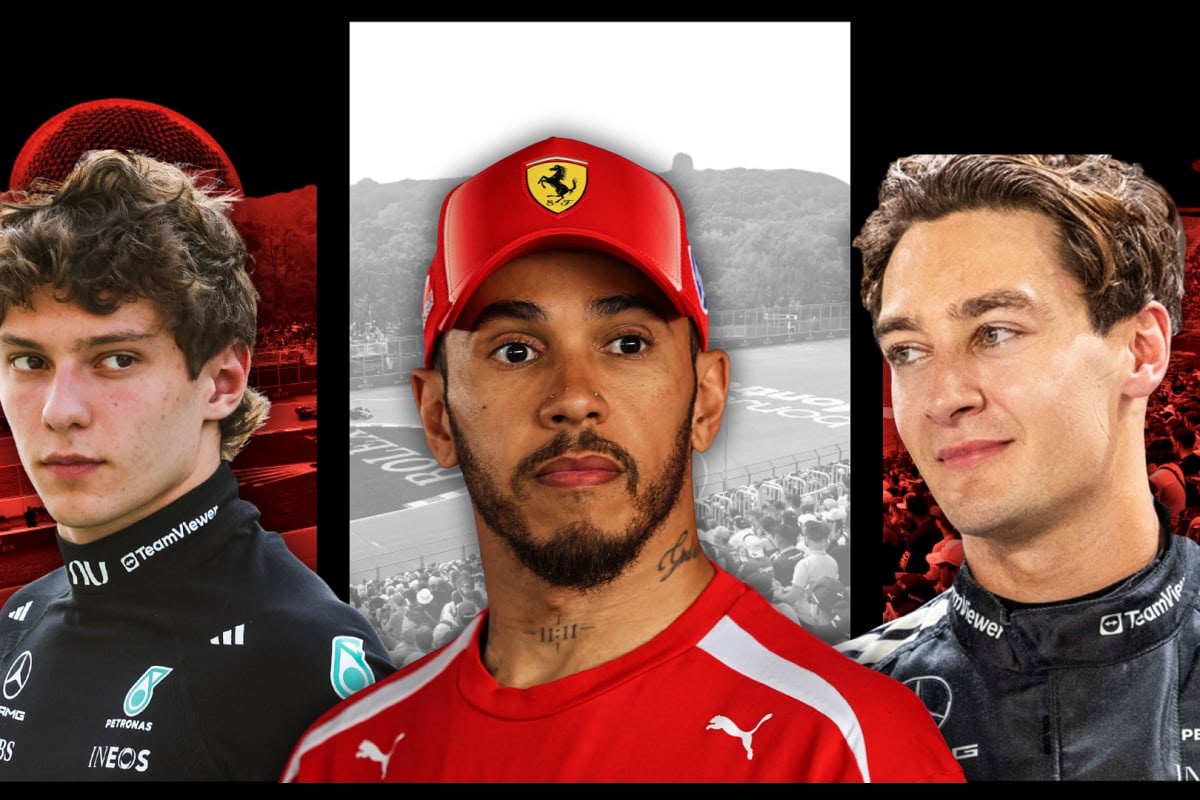
Mercedes emerged as the standout performer in qualifying, securing a lockout of the front row. George Russell delivered another impressive performance to claim pole position, continuing his strong form at the Canadian circuit. His teammate, Kimi Antonelli, came extremely close to taking the top spot and ultimately secured second place on the grid. The all-Mercedes front row demonstrated the team’s pace advantage during qualifying and reinforced expectations that they will be major contenders for victory on race day.
Behind the Mercedes duo, the McLaren team also enjoyed a productive qualifying session. Lando Norris earned third position after displaying competitive speed throughout the weekend. His teammate, Oscar Piastri, lined up fourth, ensuring both McLaren cars started near the front and remained well positioned to challenge the leaders during the opening laps. Their strong performance further highlighted McLaren’s continued competitiveness during the 2026 season.
Ferrari also secured respectable positions on the starting grid. Seven-time world champion Lewis Hamilton qualified ahead of teammate Charles Leclerc, occupying fifth and sixth positions respectively. Although Ferrari lacked the outright pace to challenge Mercedes for pole position, the team remained within striking distance and retained realistic hopes of fighting for podium positions if race circumstances worked in their favor.
Meanwhile, reigning world champion Max Verstappen faced a more difficult qualifying session than many expected. The Red Bull driver could only secure seventh place, leaving him with significant work to do during the race if he hopes to challenge for victory. Starting alongside him in eighth position was teammate Isack Hadjar, giving Red Bull a fourth-row lockout rather than the front-row challenge many fans have become accustomed to seeing from the team.
One of the notable surprises further down the order came from Racing Bulls rookie Arvid Lindblad, who secured ninth position after an impressive qualifying display. The young driver once again demonstrated why many observers consider him one of Formula 1’s most exciting emerging talents. Alongside him in tenth position was Williams driver Carlos Sainz, completing the top ten.
However, the biggest talking point surrounding the grid involved the penalties that dramatically altered the starting order. Several teams elected to make changes to their cars after qualifying, triggering violations of parc fermé regulations. Under Formula 1 rules, teams face strict restrictions regarding modifications once qualifying has concluded. Any significant alterations can result in penalties, including mandatory pit-lane starts.
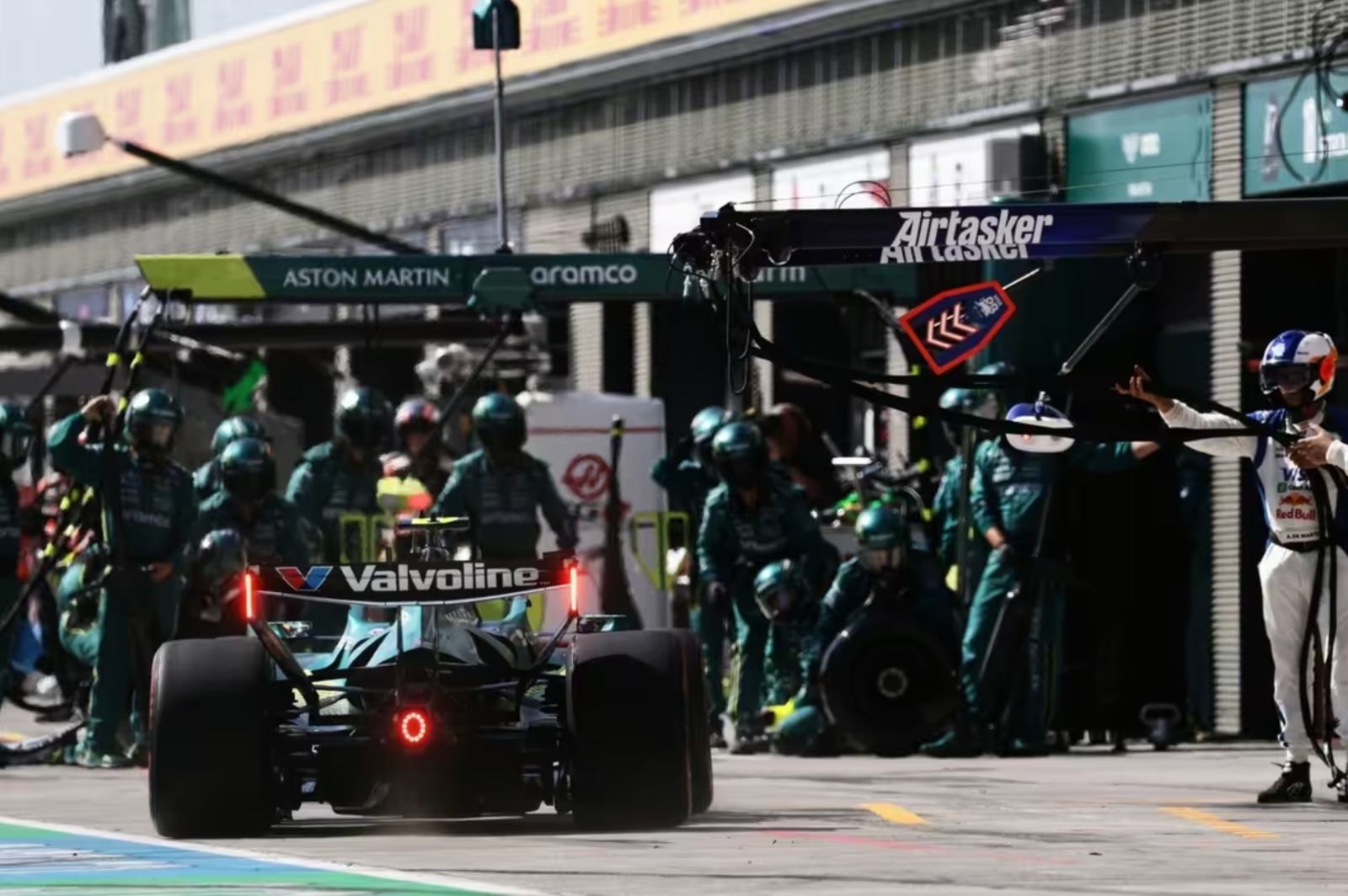
Among those affected was Alpine driver Pierre Gasly. The team made setup and component changes to his car after qualifying, forcing him to abandon his original grid position and instead start from the pit lane. While the decision may improve the car’s race setup, it comes at the cost of track position and significantly complicates his race strategy.
Joining Gasly in the pit lane were several other drivers. Williams driver Alex Albon also incurred a pit-lane start after modifications were made to his car. Haas driver Oliver Bearman faced the same penalty, as did Cadillac driver Valtteri Bottas. These penalties removed multiple competitors from their original grid positions and effectively reduced the number of cars lining up directly on the starting grid.
Additional adjustments affected other competitors throughout the field. Several teams opted to sacrifice starting position in exchange for strategic or technical improvements, believing that a stronger race package could compensate for the disadvantage of beginning from the back or pit lane. Such decisions are often influenced by weather forecasts, tire considerations, or the need to introduce fresh power-unit components.
As a result of these developments, the revised starting grid presents a fascinating competitive picture. Mercedes appears ideally positioned to capitalize on its front-row lockout, while McLaren remains close enough to mount an immediate challenge. Ferrari hopes to convert its solid qualifying performance into a podium result, and Verstappen faces the task of carving his way through traffic from seventh position. Behind them, the midfield battle promises to be intense as teams attempt to exploit every opportunity created by the grid reshuffle.
Weather conditions could also play a decisive role. Forecasts have suggested the possibility of changing conditions around Montreal, which may increase the likelihood of safety cars, strategic gambles, and unexpected overtaking opportunities. Drivers starting further back may welcome such unpredictability, while those at the front will hope for a clean race that allows them to maximize their qualifying advantage.
With penalties applied and the final lineup confirmed, the adjusted top ten for the Canadian Grand Prix sees Russell on pole ahead of Antonelli, followed by Norris, Piastri, Hamilton, Leclerc, Verstappen, Hadjar, Lindblad, and Sainz. Several other drivers will begin from the pit lane due to technical infringements and post-qualifying changes, ensuring that the race starts with a significantly altered competitive landscape compared to the original qualifying results.
The combination of front-row Mercedes dominance, McLaren’s challenge, Ferrari’s ambitions, Verstappen’s recovery mission, and multiple penalty-induced adjustments sets the stage for what could become one of the most unpredictable and entertaining races of the 2026 Formula 1 season.