Thunderstorms are set to play a major role in the 2026 Miami Grand Prix, with race organizers, teams, and fans all keeping a close eye on the skies over Florida. What initially looked like a typical hot and humid Miami race weekend has evolved into a far more unpredictable weather scenario, forcing Formula 1 officials to take decisive action ahead of Sunday’s main event.
The biggest development is the decision to move the start of the Miami Grand Prix forward by three hours. Originally scheduled for later in the afternoon, the race will now begin at 1:00 PM local time. This adjustment was made after forecasts indicated a high probability of severe thunderstorms later in the day, including the potential for lightning, torrential rain, and even hail in some areas. In Florida, weather can turn from sunshine to chaos in a matter of minutes, and that volatility has prompted Formula 1, the FIA, and local event organizers to prioritize safety.
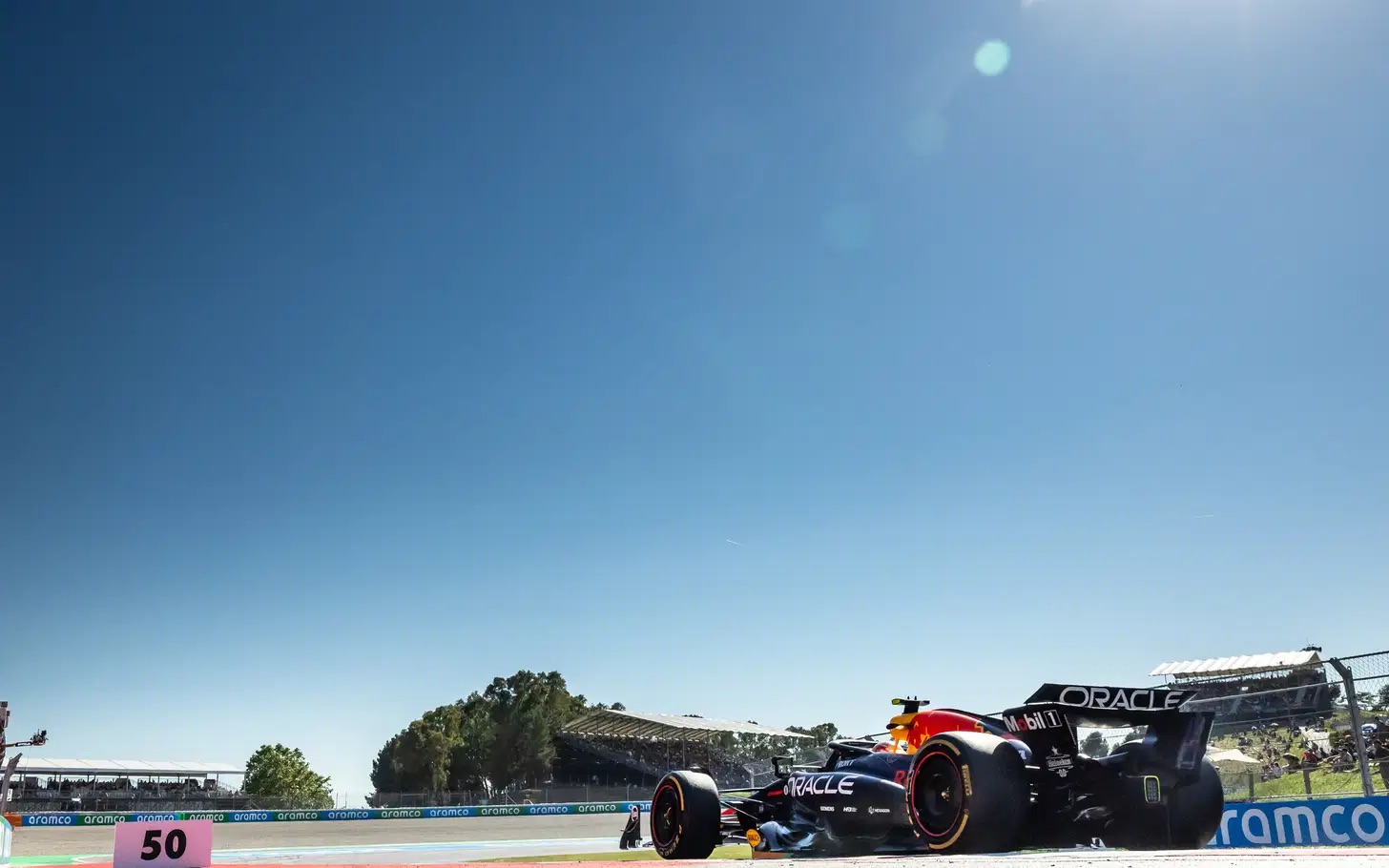
Miami’s weather this weekend has already demonstrated its unpredictable nature. Friday and Saturday brought hot, dry, and sunny conditions, with temperatures soaring well above 30 degrees Celsius. Track temperatures were even more intense, placing significant stress on both drivers and machinery. However, Sunday presents a completely different picture. Cooler temperatures, increased cloud cover, and rising humidity are expected, along with a substantial chance of showers and thunderstorms throughout the day.
Current forecasts suggest that while the race may begin under manageable conditions, the threat of rain will remain ever-present. There is a significant possibility of scattered showers before or during the race, while more severe storm cells are expected to develop later in the afternoon. That looming weather threat is precisely why officials chose to bring the race forward. Their goal is to maximize the likelihood of completing the full Grand Prix before the most dangerous conditions arrive.
For the drivers, this creates a fascinating strategic challenge. Teams have spent the entire weekend gathering data in hot and dry conditions, only to face a race that could unfold in much cooler and potentially wet circumstances. That sudden shift means setup choices, tire strategy, and race management will become even more critical. Engineers must prepare for multiple scenarios, ranging from a dry race with occasional drizzle to a fully wet event requiring intermediate or full wet tires.
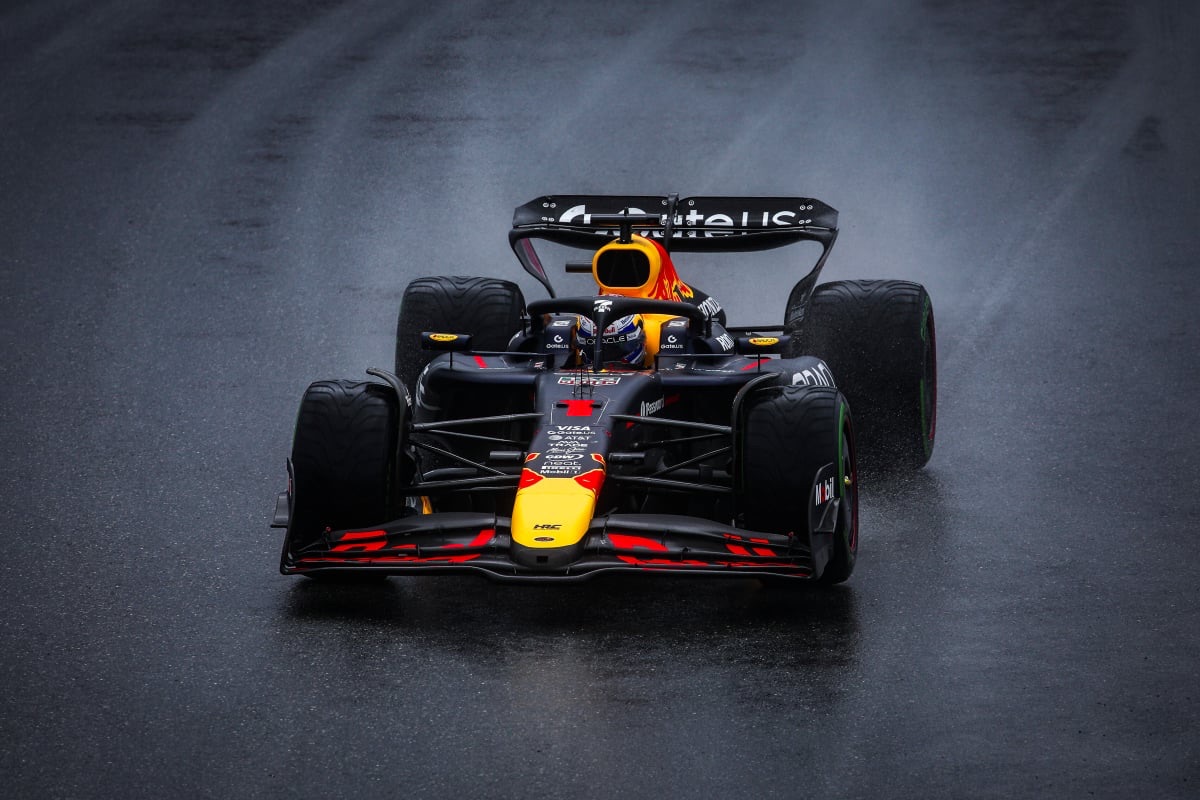
If rain does arrive during the race, it could dramatically alter the competitive order. Wet conditions often reward driver skill over outright car performance, opening the door for surprises. Braking zones become treacherous, visibility drops significantly due to spray, and even small mistakes can carry major consequences. Overtaking opportunities may increase, but so too will the risk of spins, collisions, and safety car interventions.
Lightning remains perhaps the greatest concern. Unlike ordinary rain, lightning triggers strict safety protocols at major sporting events in Florida. Any lightning detected within a designated radius can result in immediate suspension of track activity and mandatory shelter procedures for spectators, staff, and team personnel. This is one of the key reasons officials acted early rather than waiting until race day conditions deteriorated further.
The altered weather conditions may also affect tire degradation. Cooler track temperatures generally reduce tire wear, potentially allowing for longer stints and more flexible pit strategies. However, if the surface alternates between dry and damp, teams could face one of Formula 1’s most difficult strategic dilemmas: deciding exactly when to switch tire compounds. A mistimed stop can ruin a race, while a perfectly judged call can deliver a podium.
Fans should also prepare for a dynamic and potentially interrupted race. Weather radar will be monitored constantly, and race control will be ready to react instantly to changing conditions. Delays, safety cars, or even temporary red-flag stoppages cannot be ruled out if thunderstorms intensify near the circuit.
Despite the uncertainty, such conditions often produce some of Formula 1’s most memorable races. Unpredictable weather introduces an extra layer of drama, testing not just raw pace but also adaptability, courage, and decision-making under pressure. The Miami International Autodrome, with its mix of high-speed straights and technical corners, could become especially challenging if rain begins to fall.
In short, the 2026 Miami Grand Prix is shaping up to be a battle not only between the drivers and teams, but also against the elements. The forecast points to a race that could swing rapidly from straightforward to chaotic. Whether the storm holds off long enough for a clean race or arrives to shake up the order, weather is likely to be one of the defining storylines of the day.
One thing is certain: in Miami, sunshine can never be taken for granted. And on this occasion, the Florida skies may prove just as influential as anything happening on the track.