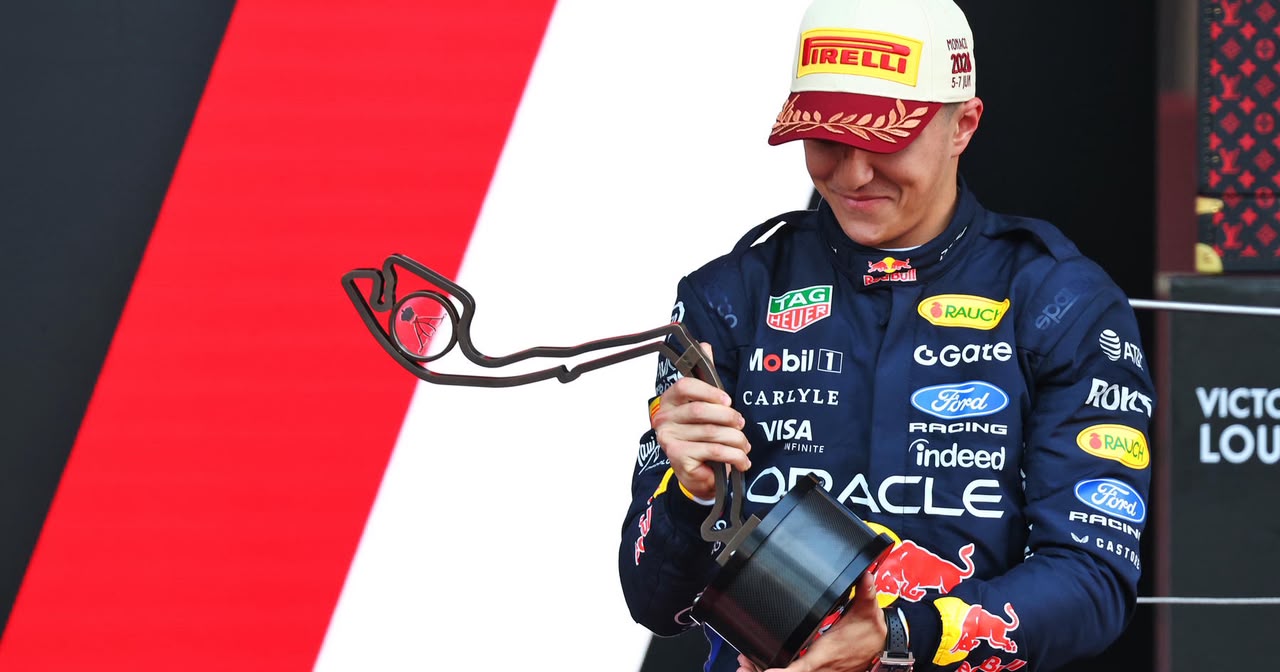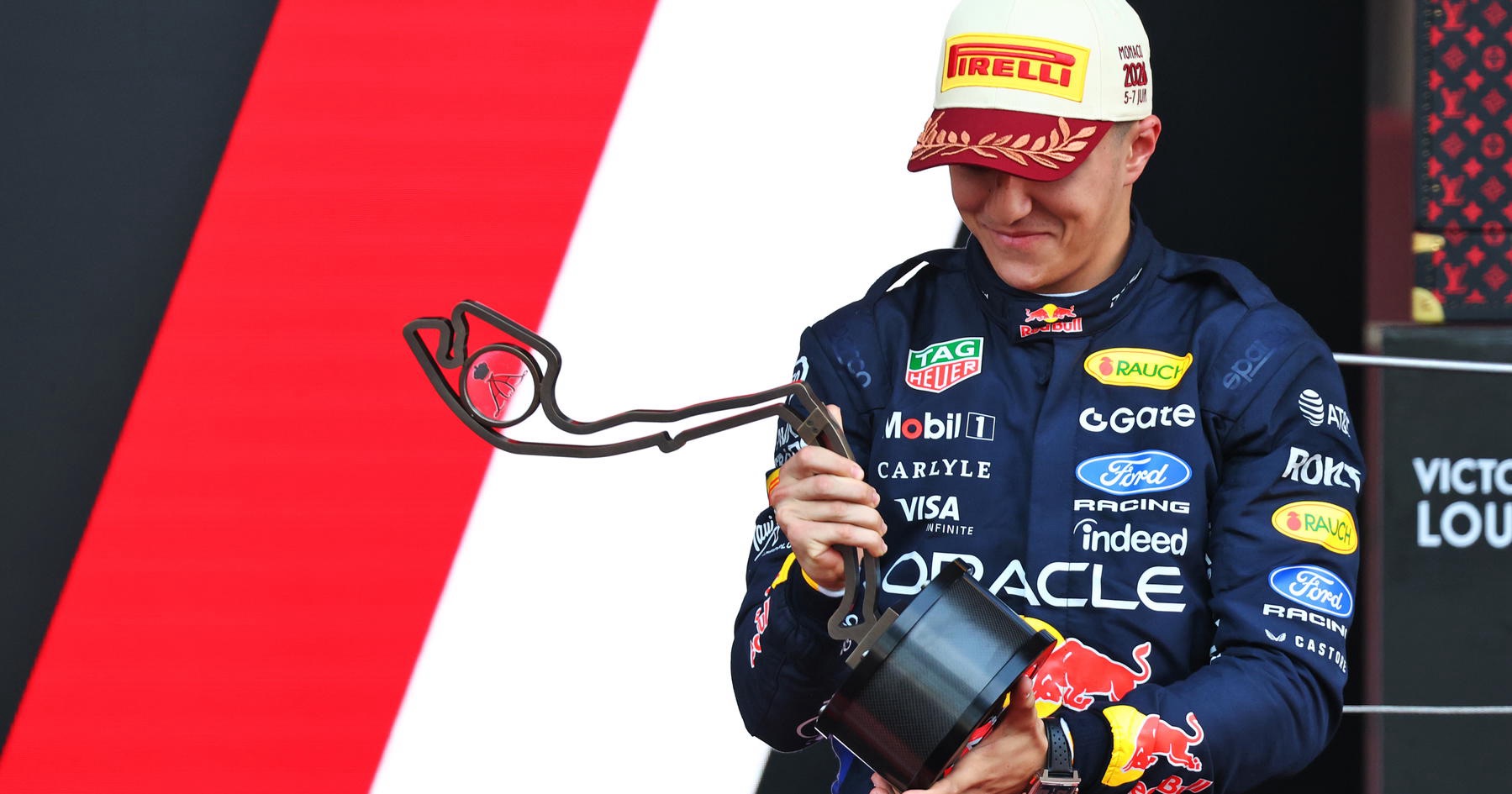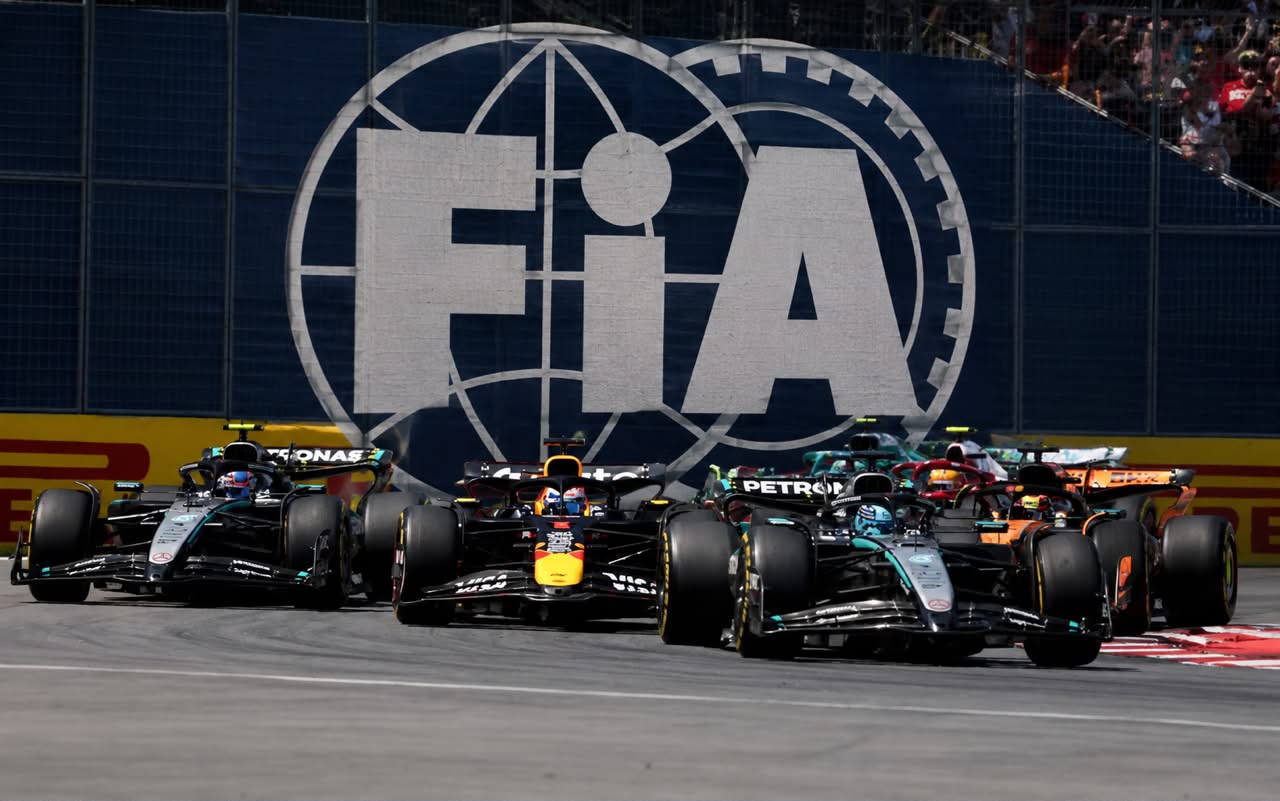

Formula 1 has confirmed a significant adjustment to the Monaco Grand Prix format for the 2026 season, marking another attempt by the sport’s governing bodies to improve racing at one of the most iconic yet frequently debated venues on the calendar. The latest decision comes after extensive discussions among teams, drivers, officials, and fans regarding how to preserve the prestige of the famous street circuit while also delivering more engaging racing action.
The Monaco Grand Prix remains one of the crown jewels of Formula 1. Held on the narrow streets of Monte Carlo, the race is known for its rich history, glamorous atmosphere, and unique challenge. However, the event has increasingly faced criticism in recent years because overtaking opportunities are extremely limited. Modern Formula 1 cars have grown larger and wider, making it even more difficult for drivers to pass rivals on Monaco’s tight and twisting layout.
In an effort to address these concerns, Formula 1 and the FIA introduced a special sporting regulation during the 2025 Monaco Grand Prix. Drivers were required to make at least two pit stops and use a minimum of three sets of tyres during the race. The objective was straightforward: create more strategic variation, encourage different race approaches, and potentially produce more exciting battles throughout the field.
At the time, many believed the change could inject fresh excitement into the event. Several drivers welcomed the experiment, arguing that Monaco’s traditional one-stop strategy often led to predictable races where track position was almost impossible to challenge. Officials hoped that forcing teams to make additional pit stops would create uncertainty and increase the chances of position changes.
Unfortunately, the experiment did not deliver the intended results.
Rather than creating exciting strategic battles, teams quickly adapted to the new regulations and found ways to minimize risk. Several competitors used team tactics to manage race pace, allowing teammates to create sufficient gaps for pit stops without losing positions. Instead of generating more overtaking opportunities, the race largely remained processional, with very few meaningful changes occurring among the leading runners. Many observers concluded that the mandatory two-stop requirement had failed to solve Monaco’s long-standing problem.
Following a detailed review of the event, Formula 1 and the FIA decided not to continue with the controversial rule. The governing body officially removed the mandatory two-stop requirement from the 2026 Sporting Regulations, meaning teams will once again be free to choose their preferred strategies under the standard Formula 1 rules. Drivers will no longer be forced to use three different tyre sets during the race, and the event will return to the same strategic framework used at most other Grands Prix.
The decision represents a major tweak to the Monaco Grand Prix format and reflects Formula 1’s willingness to revise regulations when experimental measures fail to achieve their objectives. Officials acknowledged that while the two-stop rule was introduced with good intentions, it ultimately did not enhance the spectacle as hoped. The removal of the regulation demonstrates a practical approach by the FIA, which appears determined to find more effective ways of improving racing rather than persisting with unsuccessful solutions.
Beyond the removal of the two-stop rule, Monaco will also play host to Formula 1’s revolutionary new generation of cars in 2026. The sport is entering a completely new technical era, featuring redesigned chassis, updated power units, and significant aerodynamic changes. These cars are expected to be smaller and lighter than their predecessors, a move aimed at improving racing and making overtaking easier across the championship.
Many within the sport believe these technical changes could have a greater impact on Monaco than any artificial sporting regulation. Smaller cars should be better suited to the circuit’s narrow confines, potentially allowing drivers to position their machines more effectively and create overtaking opportunities that have been absent in recent years. While nobody expects Monaco to suddenly become a track known for constant passing, there is cautious optimism that the new generation of cars may improve the quality of racing.
Formula 1 has also been preparing additional Monaco-specific adjustments to accommodate the new era of racing. Reports indicate that certain operational and technical procedures have been reviewed for the 2026 event, reflecting the unique demands of the famous street circuit. Officials continue to study how the combination of new cars and revised regulations can deliver a better balance between tradition and competition.
The debate surrounding Monaco remains one of the most persistent topics in Formula 1. Supporters argue that the circuit’s prestige, history, and challenge make it irreplaceable. Winning in Monaco remains one of the sport’s greatest achievements, and many drivers consider a Monaco victory among the most valuable accomplishments of their careers. The circuit’s unforgiving barriers, demanding corners, and high-pressure qualifying sessions continue to provide a unique test unlike any other venue on the calendar.
Critics, however, maintain that modern Formula 1 has outgrown the circuit. They point to the lack of overtaking and the increasing importance of qualifying as evidence that significant changes are needed. Some have even suggested modifications to the layout itself, although such proposals face substantial logistical and historical obstacles.
For now, Formula 1 appears committed to preserving Monaco while making targeted adjustments where necessary. The removal of the mandatory two-stop rule signals a return to a more traditional race format, but it also highlights the sport’s ongoing search for solutions that can enhance competition without compromising the essence of the event.
As the 2026 Monaco Grand Prix approaches, attention will focus on how the new generation of Formula 1 cars performs around the legendary streets of Monte Carlo. Teams, drivers, and fans alike will be eager to discover whether the technical revolution can succeed where sporting experiments have struggled.
One thing remains certain: despite the controversies and constant discussions about its future, the Monaco Grand Prix continues to occupy a special place in Formula 1. The latest rule adjustment represents another chapter in the ongoing effort to preserve one of motorsport’s most celebrated events while ensuring it remains relevant and competitive in the modern era. Whether the changes ultimately improve the racing spectacle will only become clear once the cars take to the streets and the next edition of this historic Grand Prix unfolds.