The 2026 Formula 1 Miami Grand Prix ultimately concluded with a revised and officially confirmed classification after a series of late steward decisions dramatically reshaped the finishing order. What initially appeared to be a straightforward race result quickly evolved into a more complex outcome due to post-race penalties, investigations, and time adjustments imposed on several drivers.
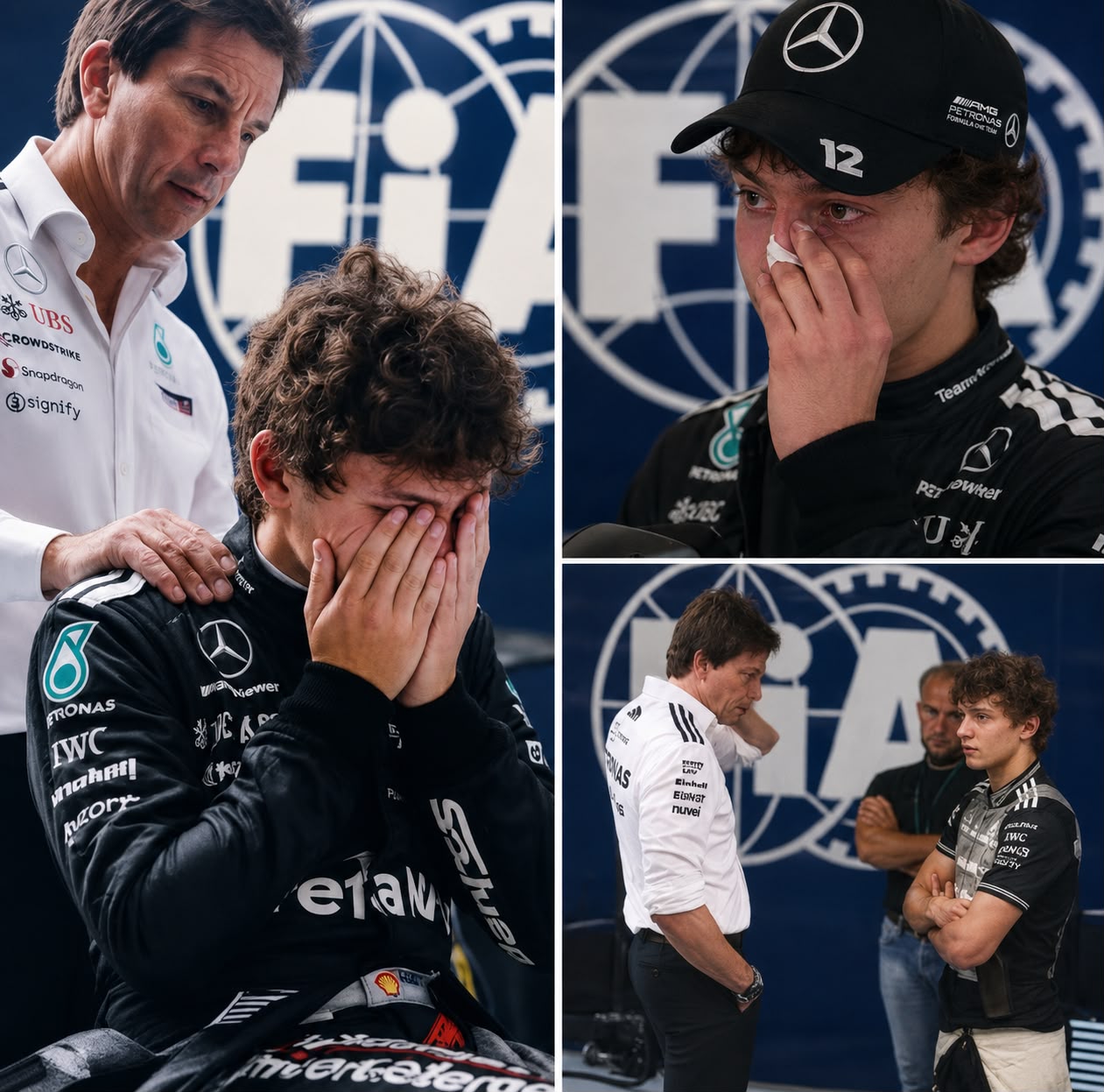
At the front of the field, Mercedes rookie sensation Kimi Antonelli delivered another outstanding performance, securing victory in Miami and extending his early dominance in the 2026 season. The Italian driver demonstrated composure and race control throughout the event, successfully holding off pressure from McLaren’s Lando Norris, who finished in second place. Antonelli’s win marked his third consecutive triumph, further strengthening his position in the championship standings and underlining his rapid rise as one of the sport’s most exciting new talents.
Behind Norris, McLaren continued its strong showing with Oscar Piastri completing the podium in third place. The team’s double podium result reflected both consistency and competitive pace, especially in challenging race conditions that tested tyre management and race strategy.
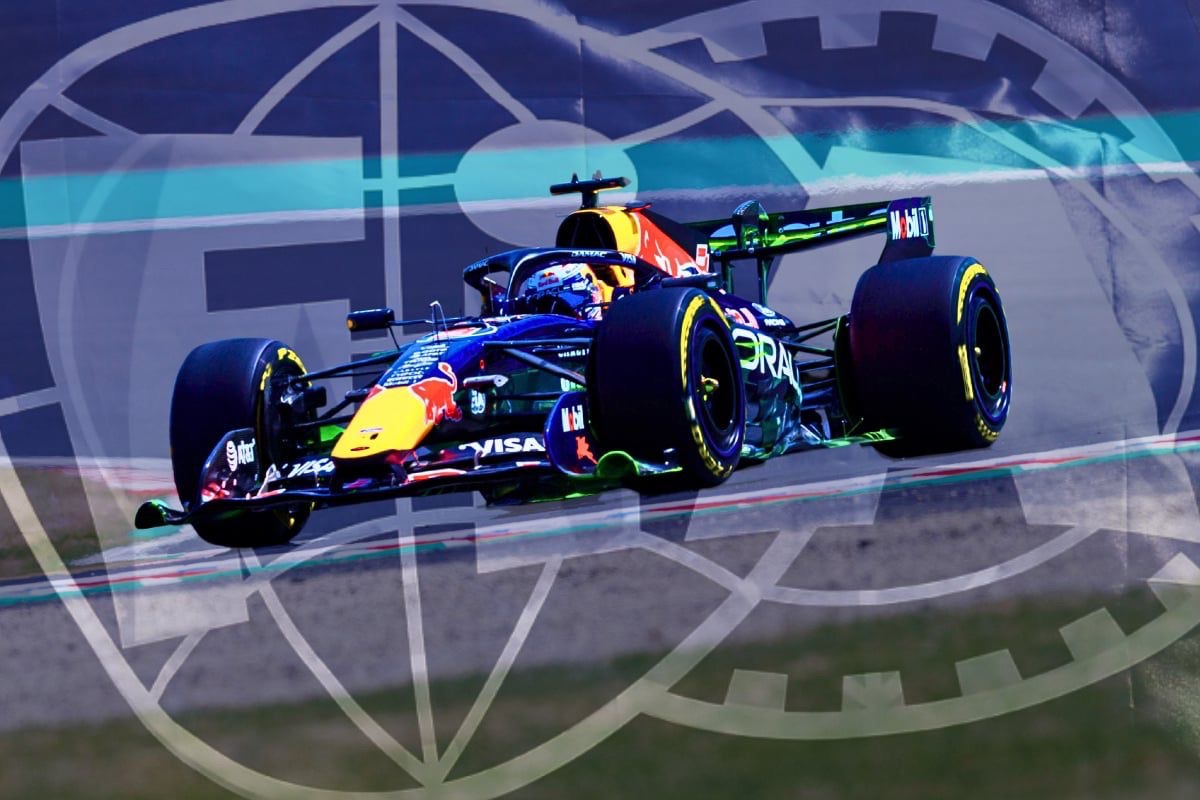
George Russell crossed the line in fourth position for Mercedes, adding valuable points for the team. Meanwhile, reigning world champion Max Verstappen initially finished fifth on the road. However, his race was not without controversy, as he received a five-second time penalty for a pit exit infringement after crossing the white line. Despite this sanction, the penalty did not significantly alter his final classification, allowing him to retain his position in the top five.
Further down the order, Lewis Hamilton, now racing for Ferrari, benefitted from post-race developments to move up into sixth place. One of the biggest talking points of the race centered on his teammate Charles Leclerc, whose race unraveled in the closing stages. Leclerc had initially been running competitively and crossed the line in sixth position, but a combination of on-track incidents and rule breaches led to severe consequences.
Following a detailed review by race stewards, Leclerc was handed a substantial 20-second time penalty. The punishment was issued for multiple infractions, including leaving the track and gaining an advantage, as well as incidents during intense late-race battles. This penalty proved costly, dropping the Ferrari driver down to eighth place in the final standings.
As a direct result of Leclerc’s demotion, Alpine driver Franco Colapinto was promoted to seventh position, achieving one of the best results of his Formula 1 career. The reshuffling also benefited other midfield drivers, with positions shifting slightly to reflect the adjusted classification.
The final top ten, after all penalties were applied, featured a mix of frontrunners and midfield performers. Behind Leclerc in eighth, Carlos Sainz secured ninth place for Williams, while his teammate Alex Albon rounded out the top ten.
The Miami Grand Prix proved to be one of the most eventful races of the 2026 season so far, not only because of the on-track battles but also due to the significant influence of steward decisions after the chequered flag. Multiple investigations were launched following the race, with officials scrutinizing incidents involving several drivers. While some inquiries did not lead to further action, others—such as Leclerc’s case—had a decisive impact on the final results.
These late rulings highlight the increasingly strict enforcement of regulations in modern Formula 1. Track limits, pit lane rules, and racing conduct are being monitored more closely than ever, often leading to post-race revisions that can alter the outcome long after drivers have crossed the finish line. In Miami, this regulatory vigilance ensured that the official classification reflected not just on-track performance but also adherence to the sport’s rules.
The race itself featured a mix of strategy, overtakes, and incidents that kept fans engaged throughout. Early drama, combined with intense midfield battles and a tense final stint, created a spectacle worthy of the Miami circuit. However, the post-race developments arguably added even more intrigue, as teams and drivers awaited confirmation of the final standings.
For Ferrari, the outcome was bittersweet. While Hamilton capitalized on the chaos to secure a solid points finish, Leclerc’s penalty represented a missed opportunity for a stronger result. The team will likely review the incidents carefully as they look to avoid similar setbacks in future races.
Red Bull, on the other hand, experienced a relatively modest race by their usual high standards. Verstappen’s penalty, although not race-defining, underscored the fine margins that can influence race outcomes in Formula 1. Even minor infractions can lead to time penalties that potentially affect championship battles over the course of a season.
Mercedes emerged as the biggest winner from the Miami weekend, with Antonelli’s victory and Russell’s strong finish reinforcing the team’s competitive edge under the new 2026 regulations. The young Italian’s consistency and maturity have quickly made him a standout figure in the championship fight.
McLaren also left Miami with plenty of positives, as Norris and Piastri delivered a double podium that showcased the team’s upward trajectory. Their performance suggests they will remain key contenders in upcoming races.
In summary, the 2026 Miami Grand Prix will be remembered not only for Antonelli’s impressive victory but also for the dramatic reshuffling of results following late penalties. The final classification, shaped by steward interventions, serves as a reminder that in Formula 1, the story of a race does not always end at the chequered flag. Instead, it can continue long afterward in the stewards’ office, where crucial decisions ultimately determine the official outcome.