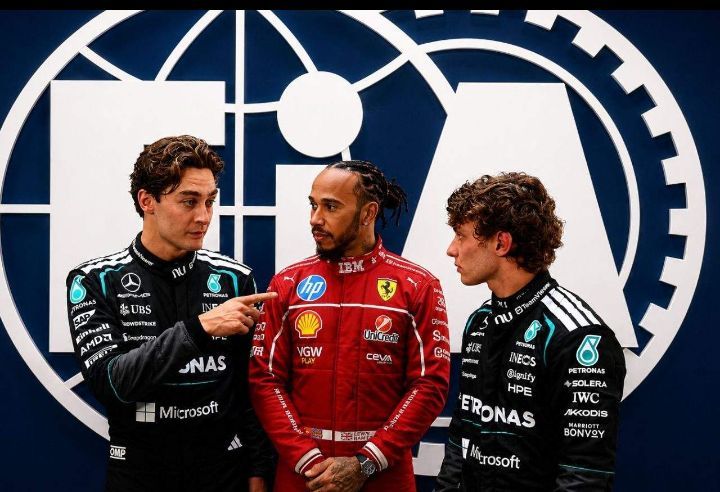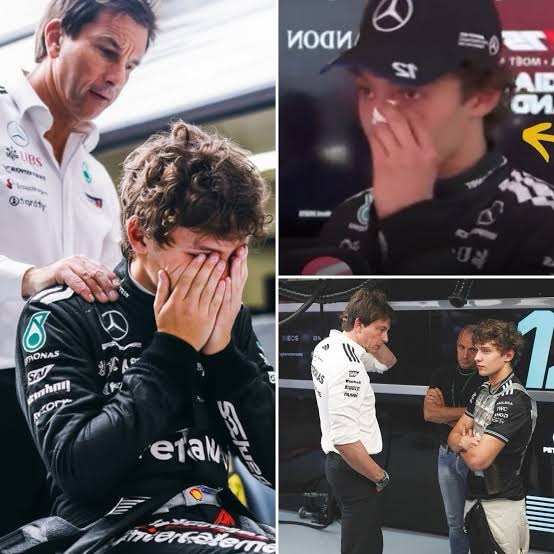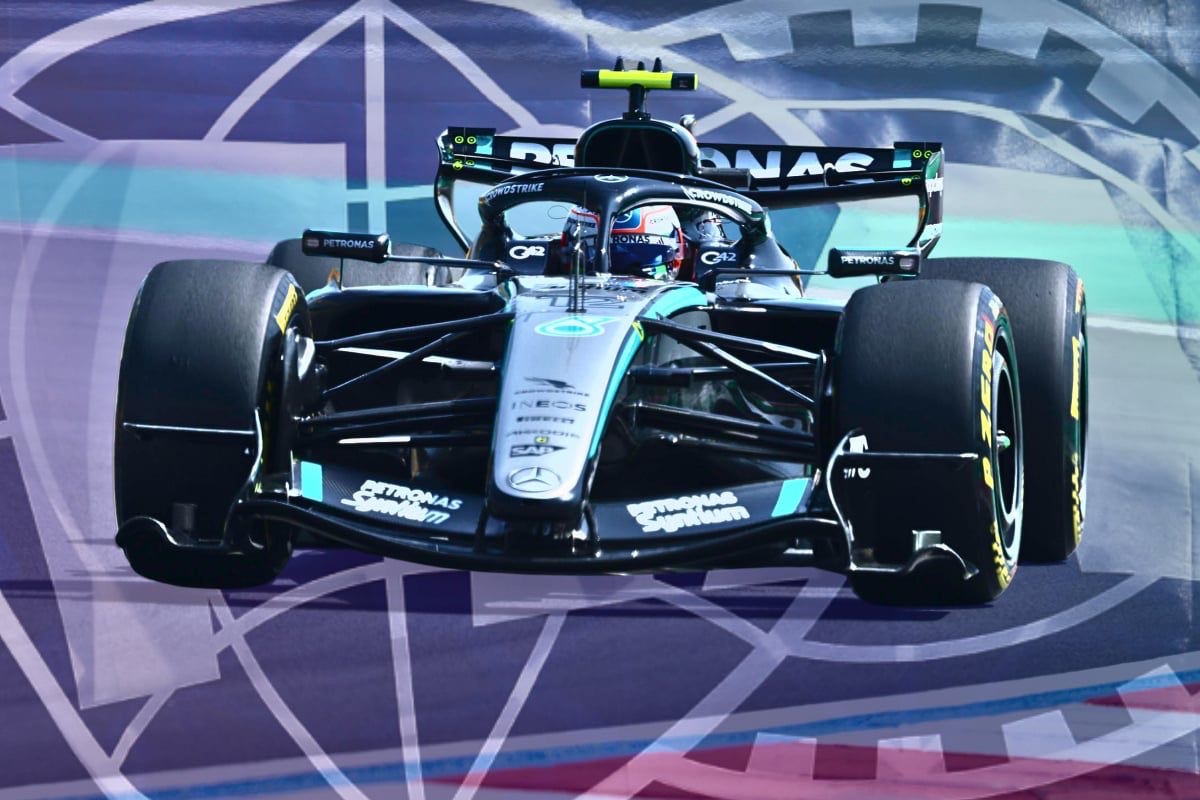
In the aftermath of a dramatic and incident-filled 2026 Miami Grand Prix, the Fédération Internationale de l’Automobile confirmed a series of penalty decisions that significantly impacted the final narrative surrounding the race—particularly for the Mercedes-AMG Petronas Formula One Team and its leading drivers. The governing body’s ruling followed detailed post-race evaluations and investigations into on-track conduct, with both immediate and delayed consequences shaping the final outcomes.
Mercedes entered the Miami weekend in a commanding position, having demonstrated strong pace throughout the season. Rising star Kimi Antonelli had already established himself as a major title contender, while teammate George Russell remained firmly in the championship hunt. Their performances during the race further reinforced the team’s dominance, with Antonelli securing yet another victory and Russell finishing close behind in a competitive fourth position.
However, despite the impressive on-track results, the FIA’s scrutiny extended beyond the chequered flag. Officials conducted thorough reviews of race incidents, including track limits violations, driving conduct, and adherence to regulations. These reviews ultimately led to penalty decisions that affected not only Mercedes but also several other teams and drivers.
One of the most notable developments involved Antonelli himself, who had already faced disciplinary action earlier in the weekend during the sprint race. The young Italian driver was penalized for exceeding track limits multiple times, receiving a five-second time penalty that caused him to drop positions in the sprint classification. This earlier sanction underscored the FIA’s strict enforcement of racing standards and served as a warning to drivers about the importance of maintaining compliance throughout the race weekend.
Although Antonelli avoided a similar fate in the main Grand Prix, the FIA’s broader review of race incidents highlighted how even minor infractions could carry significant consequences. The governing body’s approach demonstrated its commitment to maintaining fairness and consistency, particularly in a season where margins between top teams remain extremely tight.
Meanwhile, Russell’s race was also closely analyzed, especially in relation to wheel-to-wheel battles and track positioning. While no major penalty ultimately altered his finishing position, the FIA’s examination of his driving illustrated the level of scrutiny applied to front-running drivers. In such a competitive environment, even routine racing incidents are subject to detailed investigation, reflecting the sport’s increasingly stringent regulatory framework.
The Miami Grand Prix itself proved to be a chaotic and unpredictable contest, with multiple incidents prompting FIA intervention. Drivers from rival teams, including Max Verstappen and Charles Leclerc, were also penalized following post-race reviews. Verstappen received a five-second penalty for a pit lane infringement, while Leclerc was handed a far more severe 20-second penalty for gaining an advantage by repeatedly leaving the track.
These decisions had a ripple effect on the final classification, reshuffling positions and altering the distribution of championship points. Leclerc’s penalty, in particular, dropped him down the order, benefiting several drivers behind him, including Mercedes-affiliated competitors.
The FIA’s handling of these incidents sparked widespread discussion within the paddock and among fans. Some observers questioned the consistency of penalty decisions, while others defended the governing body’s commitment to enforcing the rules impartially. Regardless of differing opinions, the Miami race once again highlighted the crucial role of stewards in shaping race outcomes long after the cars have crossed the finish line.
For Mercedes, the penalty decisions represented both a challenge and a testament to their resilience. Despite the earlier setback in the sprint race, Antonelli delivered a flawless performance when it mattered most, securing victory and extending his lead in the drivers’ championship. His ability to recover from adversity and maintain composure under pressure has become a defining feature of his breakout season.
Russell, meanwhile, continued to provide valuable support in the championship battle, contributing crucial points to the team’s overall tally. His consistent performances have ensured that Mercedes remains a dominant force in both the drivers’ and constructors’ standings.
The broader implications of the FIA’s decisions extend beyond a single race weekend. As the 2026 Formula One season progresses, the enforcement of regulations will play an increasingly important role in determining the championship outcome. Teams and drivers must not only focus on performance but also ensure strict compliance with the rules, as even minor infractions can lead to significant penalties.
Moreover, the Miami Grand Prix served as a reminder of how unpredictable Formula One can be. From changing weather conditions to strategic battles and post-race investigations, the event encapsulated the complexity and drama that define the sport. The FIA’s involvement, while sometimes controversial, remains an essential component of maintaining order and fairness in such a high-stakes environment.
In conclusion, the FIA’s announcement regarding penalties for Mercedes drivers and other competitors following the Miami Grand Prix underscores the governing body’s commitment to upholding the integrity of the sport. While Mercedes emerged largely unscathed in terms of the main race results, the weekend highlighted the fine margins that separate success from setback in modern Formula One. As the season continues, teams will be acutely aware that every action—both on and off the track—can influence the final outcome, with the FIA playing a निर्णative role in ensuring that the rules are applied consistently and fairly.