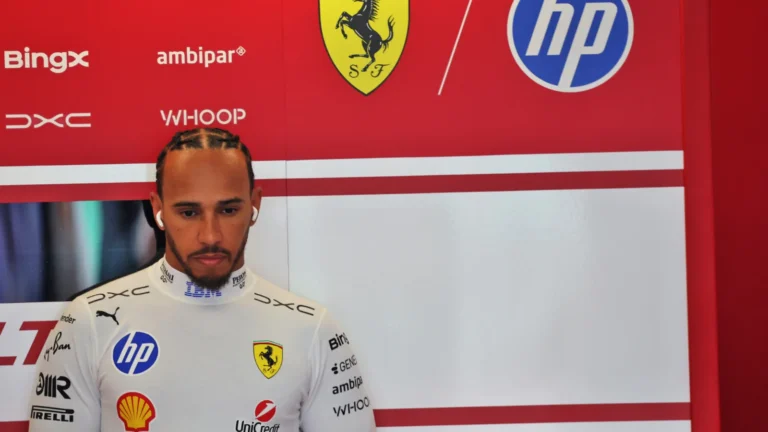

Seven-time Formula 1 world champion Lewis Hamilton has once again found himself battling a familiar frustration during his latest outing with Scuderia Ferrari, as fresh revelations surrounding Ferrari’s internal data analysis exposed a critical weakness that may be hindering his progress in the 2026 Formula 1 season. What initially appeared to be a promising weekend in Montreal ultimately turned into another difficult qualifying session for the British driver, with evidence suggesting that Hamilton is currently operating at a disadvantage compared to both his rivals and even his teammate, Charles Leclerc.
Hamilton entered the Canadian Grand Prix weekend showing encouraging pace during practice sessions. Ferrari looked competitive enough to challenge the leading teams, and many observers believed the veteran driver was finally beginning to feel more comfortable with the SF-26. However, qualifying once again highlighted the underlying problems that have consistently interrupted Hamilton’s adaptation to Ferrari machinery since his blockbuster switch from Mercedes. Instead of fighting for pole position, Hamilton had to settle for fifth place on the grid, leaving him visibly frustrated afterward.
The issue, according to reports emerging from Ferrari’s data evaluations, revolves around Hamilton’s inability to fully exploit the car’s peak performance window over a single lap. Ferrari engineers reportedly discovered significant discrepancies between Hamilton’s telemetry and the optimum setup required to maximize the SF-26’s pace. These findings have revealed that Hamilton is struggling particularly in areas involving energy deployment, braking stability, and tire preparation during qualifying runs.
The challenge appears even more complicated because Formula 1’s new 2026 regulations have dramatically changed the driving characteristics of the cars. With heavier reliance on hybrid energy systems and active aerodynamics, drivers must now manage battery deployment and energy harvesting with extreme precision. Hamilton himself had earlier hinted that Ferrari’s power unit and battery management systems were not operating as effectively as those used by leading rivals like Mercedes.
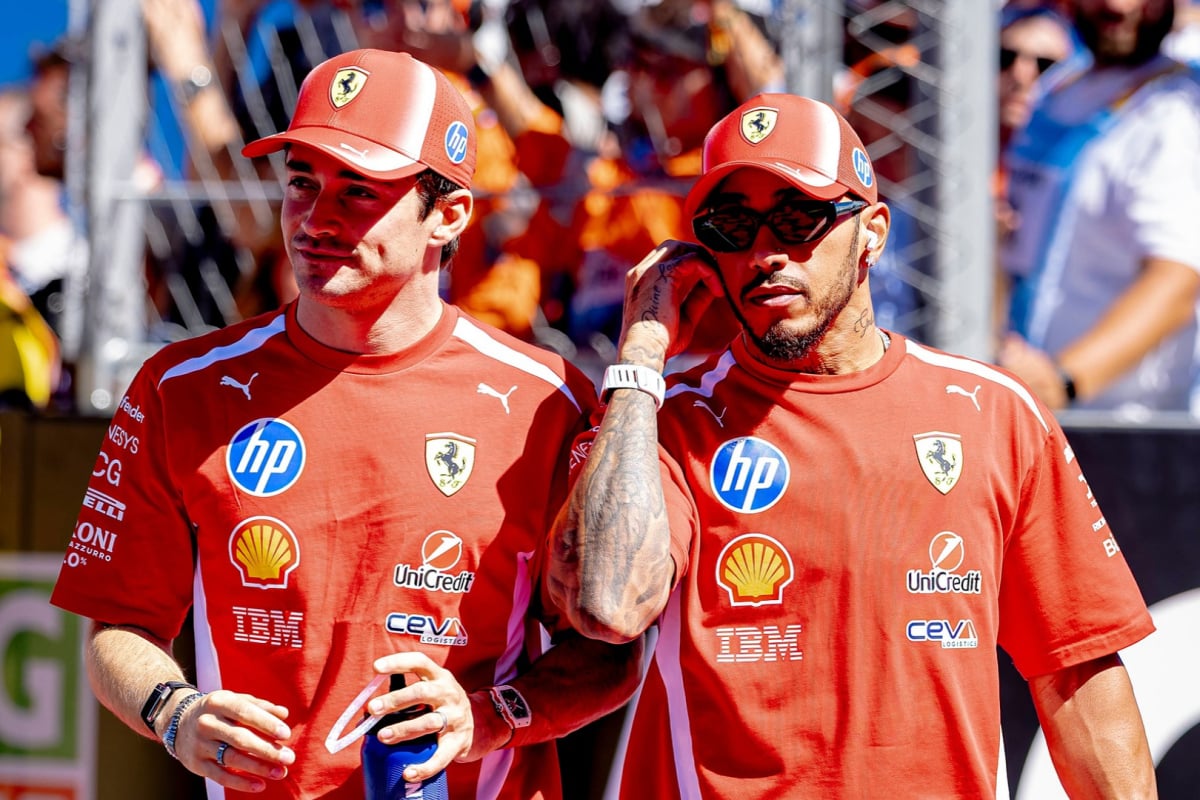
While Hamilton has shown flashes of brilliance this season, the raw data reportedly suggests that he is losing valuable time in crucial sections of the lap where Ferrari’s systems require a very specific driving approach. This has created a situation where Leclerc, who has spent years understanding Ferrari’s unique characteristics, naturally extracts performance more efficiently than Hamilton can at this stage. Ferrari’s telemetry comparisons have allegedly underlined how differently both drivers manage corner entry speeds, throttle application, and energy recovery systems.
For Hamilton, this represents one of the toughest technical adaptation periods of his career. After spending more than a decade driving Mercedes-powered cars built around a certain philosophy, transitioning into Ferrari’s operational structure has proven far more difficult than many expected. Even though the Briton remains one of the most experienced and intelligent drivers in Formula 1 history, mastering a completely different engineering concept at 41 years old is no easy task.
The pressure surrounding Hamilton has also intensified because expectations were enormous when Ferrari announced his signing. Fans hoped the partnership between the sport’s most successful driver and its most iconic team would immediately produce championship contention. Instead, the season has become a story of gradual adaptation, technical confusion, and growing scrutiny over whether Hamilton can still consistently challenge at the very highest level.
Despite the setbacks, Hamilton has repeatedly insisted that he remains fully committed to Ferrari’s long-term project. Ahead of the Canadian Grand Prix weekend, he dismissed growing speculation about retirement and made it clear that he intends to continue racing with Ferrari beyond this season. Hamilton emphasized that his motivation remains intact and that he still believes progress can be achieved with time and better understanding between himself and the team.
Interestingly, Hamilton has also begun questioning certain internal Ferrari processes. Earlier in the season, he openly admitted that simulator correlation problems were affecting his preparation, explaining that the virtual data often failed to match the real behavior of the car on track. As a result, he reportedly chose to reduce simulator involvement before the Canadian Grand Prix in favor of relying more heavily on actual track experience and direct feedback.
That disconnect between simulation and reality may be contributing heavily to Ferrari’s current difficulties. In modern Formula 1, simulator work plays a vital role in helping drivers optimize setup choices, energy deployment strategies, and tire preparation before arriving at race weekends. If Hamilton cannot fully trust the simulator data, it naturally places him at a disadvantage against rivals whose preparation processes are more refined and accurate.
Meanwhile, Ferrari’s broader competitiveness has also come under scrutiny. Leclerc himself described parts of the Canadian weekend as among the most difficult experiences of his Formula 1 career, suggesting that Ferrari’s struggles are not isolated solely to Hamilton. The team appears to be fighting inconsistency across various performance areas, particularly in extracting peak pace during changing conditions.
Weather conditions in Montreal further complicated matters. Forecasts predicting potential rain introduced uncertainty over tire management and setup direction, making the already difficult task of understanding the SF-26 even more complicated for Ferrari drivers. Hamilton acknowledged that wet conditions could potentially help Ferrari close the gap to faster rivals such as Mercedes and McLaren, but dry qualifying once again exposed the car’s weaknesses.
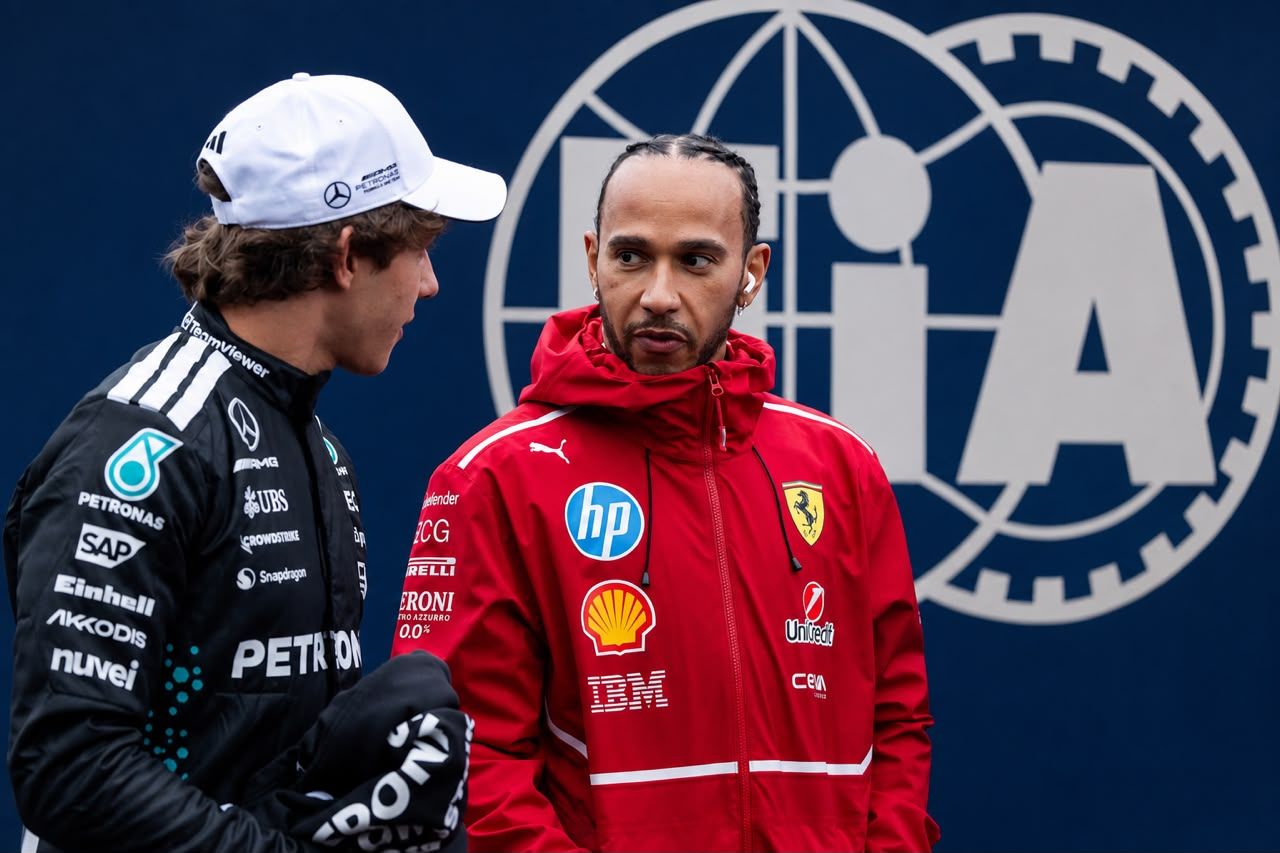
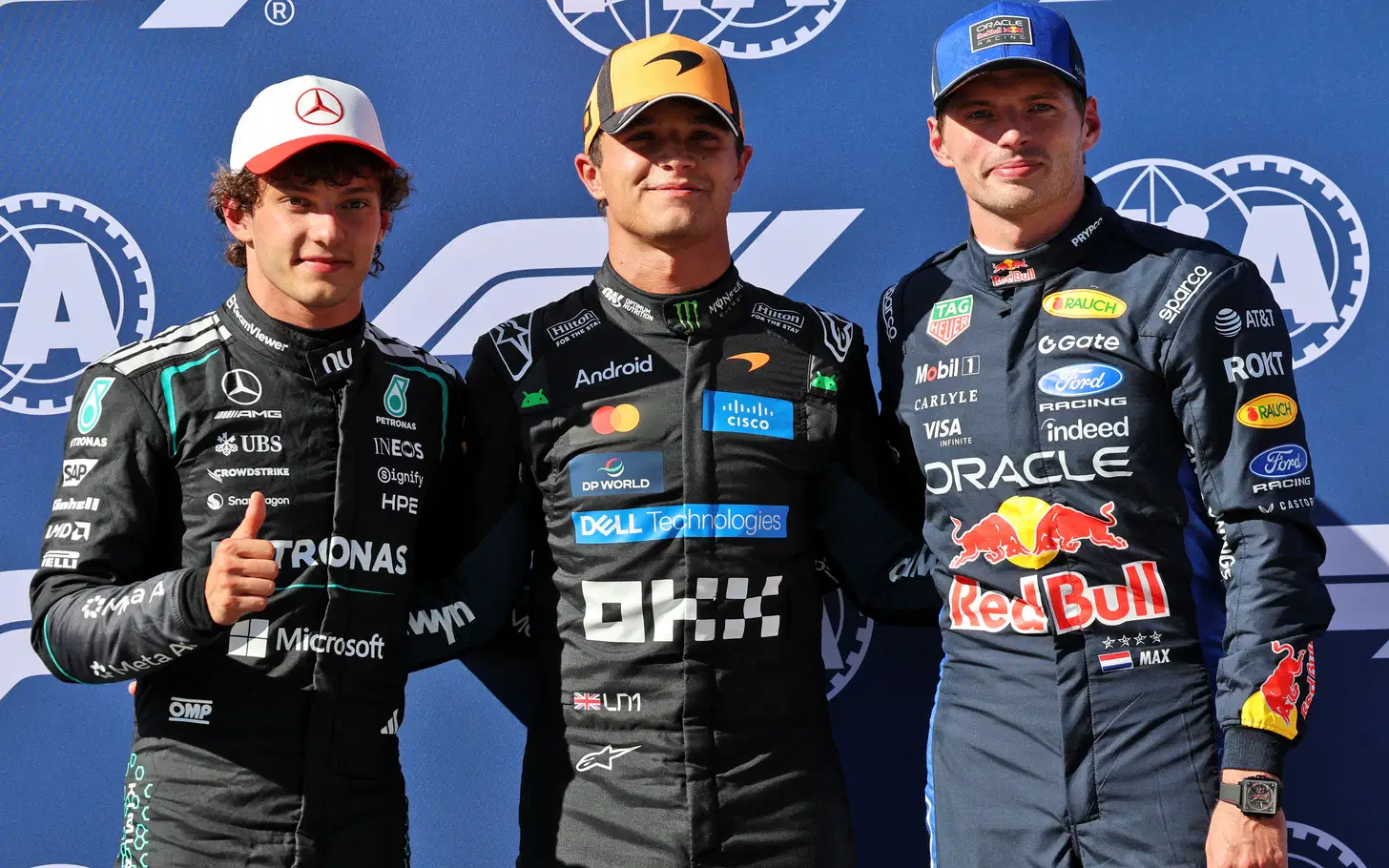
The contrast between Ferrari and Mercedes during qualifying was particularly striking. George Russell secured pole position for Mercedes, while rookie sensation Kimi Antonelli continued to impress with another front-row performance. Their speed highlighted how effectively Mercedes has adapted to the 2026 regulations compared to Ferrari’s more inconsistent campaign.
Still, writing Hamilton off would be extremely premature. Throughout his career, the British driver has repeatedly overcome adversity and silenced doubters during difficult periods. Ferrari insiders reportedly continue to value his technical feedback, leadership qualities, and ability to help guide long-term development. The challenge now is translating that experience into immediate on-track gains.
Hamilton himself recently reflected on the lessons learned from his difficult Ferrari experience so far, admitting that resilience has become one of the defining themes of this stage in his career. He acknowledged that major adjustments may still be required within both his personal working environment and Ferrari’s operational structure to unlock the full potential of their partnership.
As the 2026 season continues, Ferrari faces a crucial challenge. The team must not only improve the raw pace of the SF-26 but also help Hamilton fully adapt to the intricate demands of the car’s systems and driving style. If those issues remain unresolved, Ferrari risks watching its ambitious project fall short of expectations once again. However, if Hamilton and Ferrari can finally align their data understanding, engineering direction, and race execution, the partnership may yet evolve into the success story many envisioned when the historic move was first announced.