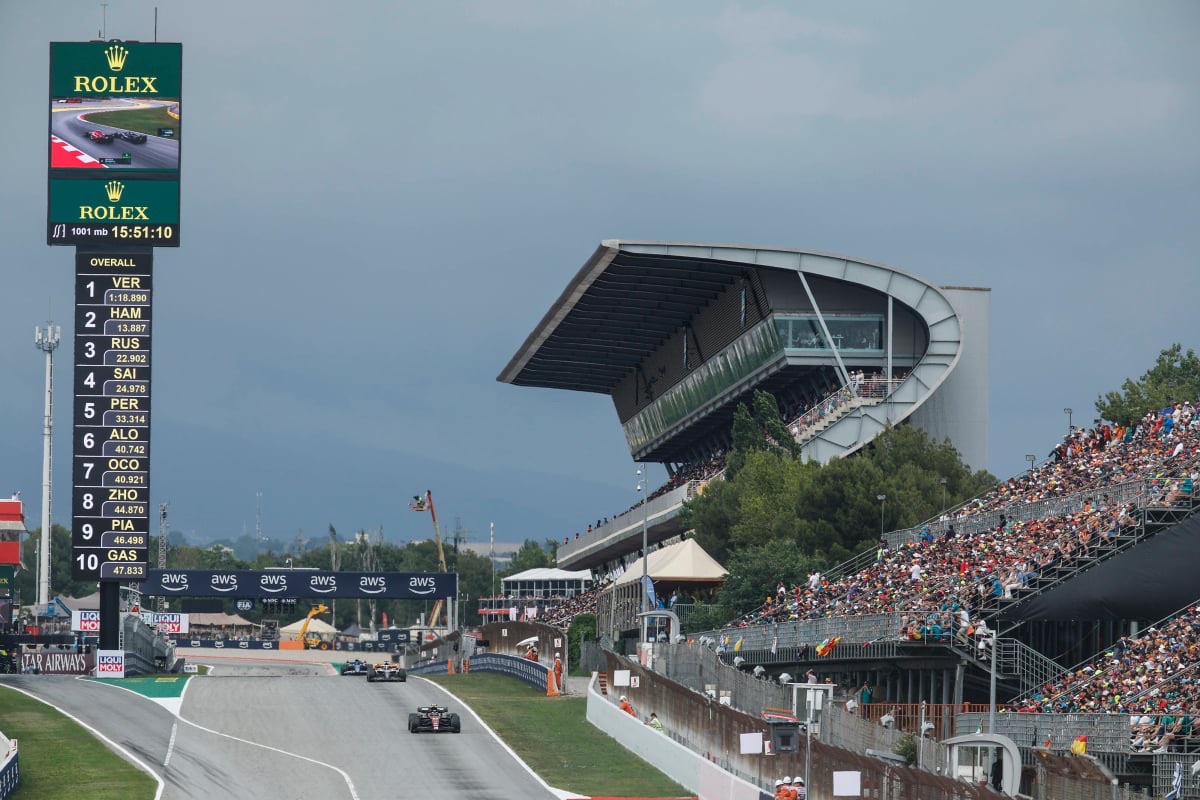
The Circuit de Barcelona-Catalunya has expressed its readiness to step in as a replacement venue for future Formula 1 races if unexpected circumstances force events to be cancelled, raising hopes that the iconic Spanish circuit could continue to play an important role in the championship beyond its scheduled calendar appearances.
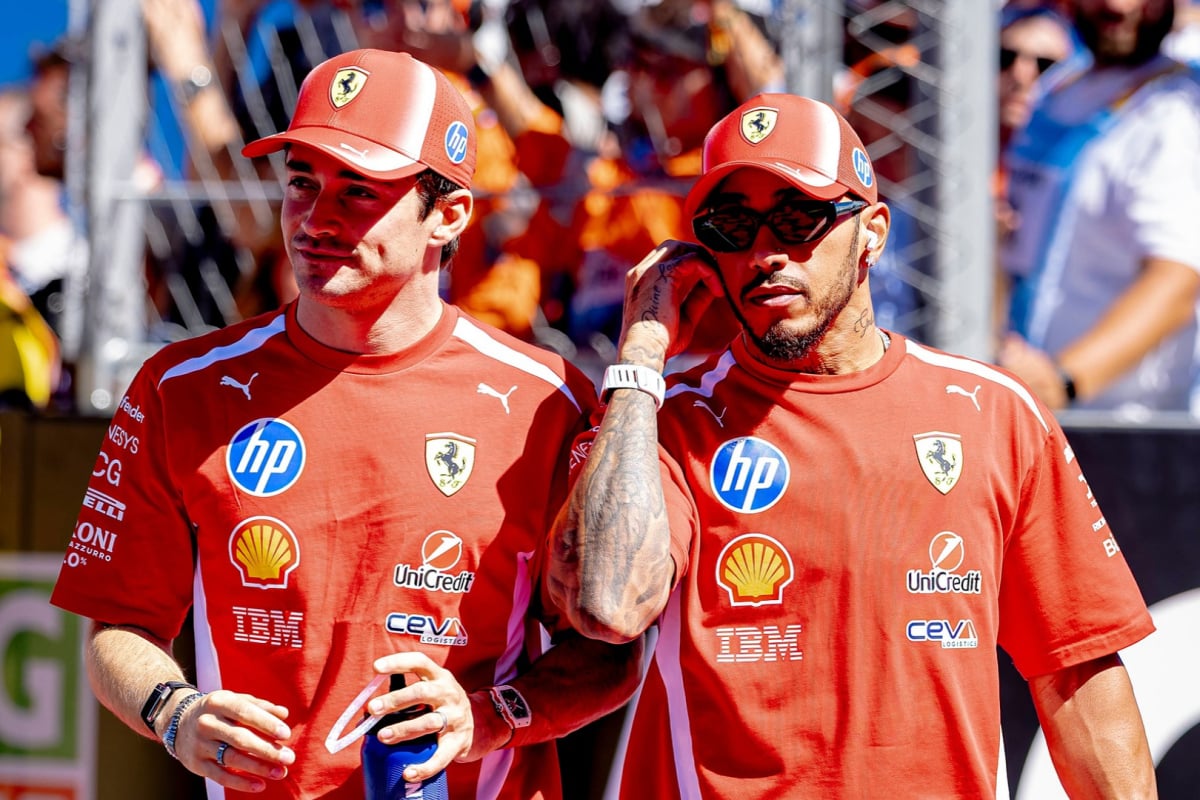
The famous track, which hosted last weekend’s Spanish Grand Prix, enjoyed a memorable race as Ferrari’s Lewis Hamilton secured his first victory of the 2026 season. The seven-time world champion delivered a dominant performance, claiming a record-breaking seventh Formula 1 win at the circuit and surpassing the previous benchmark of six victories held by Michael Schumacher.
Hamilton’s triumph helped reduce the gap to championship leader Kimi Antonelli, keeping the title battle alive as the season progresses.
The discussion surrounding Barcelona’s future has intensified following the disruption of this year’s Formula 1 schedule. The Saudi Arabian and Bahrain Grands Prix were both cancelled earlier in the season due to ongoing instability in the Middle East. As a result, the Spanish Grand Prix was moved forward in the championship order and became the seventh round of the campaign instead of the ninth.
With geopolitical tensions continuing to create uncertainty for international sporting events, officials at the Barcelona circuit believe they could provide Formula 1 with a reliable contingency option whenever necessary.
Circuit President Miquel Sampe highlighted the venue’s ability to organize major motorsport events at extremely short notice. He pointed to the circuit’s successful response following the devastating DANA storm that affected Valencia in 2024.
According to Sampe, the circuit demonstrated its organizational capabilities by helping stage a MotoGP event in just 11 days after the emergency situation. He noted that MotoGP chief Carmelo Ezpeleta had reportedly praised the achievement, stating that few circuits in the world would have been capable of preparing such a large-scale event in such a short period.
Sampe emphasized that Barcelona possesses the infrastructure, operational experience, and personnel required to host world-class motorsport competitions on short notice. He added that the circuit remains fully prepared to assist Formula 1 whenever required.
The comments come at an interesting time for the Spanish venue. Under current plans, Barcelona is expected to rotate its place on the Formula 1 calendar with the Belgian Grand Prix beginning in 2027. This arrangement means the circuit is not currently scheduled to host a race in 2027 before returning in 2028.
However, recent remarks from key motorsport figures suggest that the circuit could still feature on the calendar if unexpected circumstances arise.
Spain’s representative to the FIA, Manuel Avinyo, acknowledged that the global situation remains unpredictable and could continue to impact Formula 1’s future schedules.
Avinyo explained that the world is currently facing several armed conflicts and geopolitical challenges, making long-term planning increasingly difficult. He suggested that Barcelona could potentially serve as a “Plan B” should any races be unable to proceed as planned. At the same time, he expressed hope that international tensions would ease and that future sporting events would not be affected by conflict.
Support for Barcelona’s continued involvement in Formula 1 has also come from Pau Relat, President of Fira de Barcelona and the Fira Circuit. Relat described securing a lasting presence in Formula 1 as a major priority and confirmed that work is already underway to strengthen the circuit’s position.
He praised the success of recent editions of the Spanish Grand Prix and said the goal is to create an even more comprehensive experience that extends beyond race weekend. Relat stressed the importance of working closely with local authorities in Barcelona and Catalonia to ensure the event delivers value for fans, the city, and Formula 1 itself.
While Barcelona’s place on the 2027 calendar remains uncertain, the circuit’s willingness to act as an emergency replacement venue could prove invaluable. As Formula 1 continues to navigate an increasingly unpredictable global landscape, the Spanish track appears determined to remain a key part of the sport’s future.