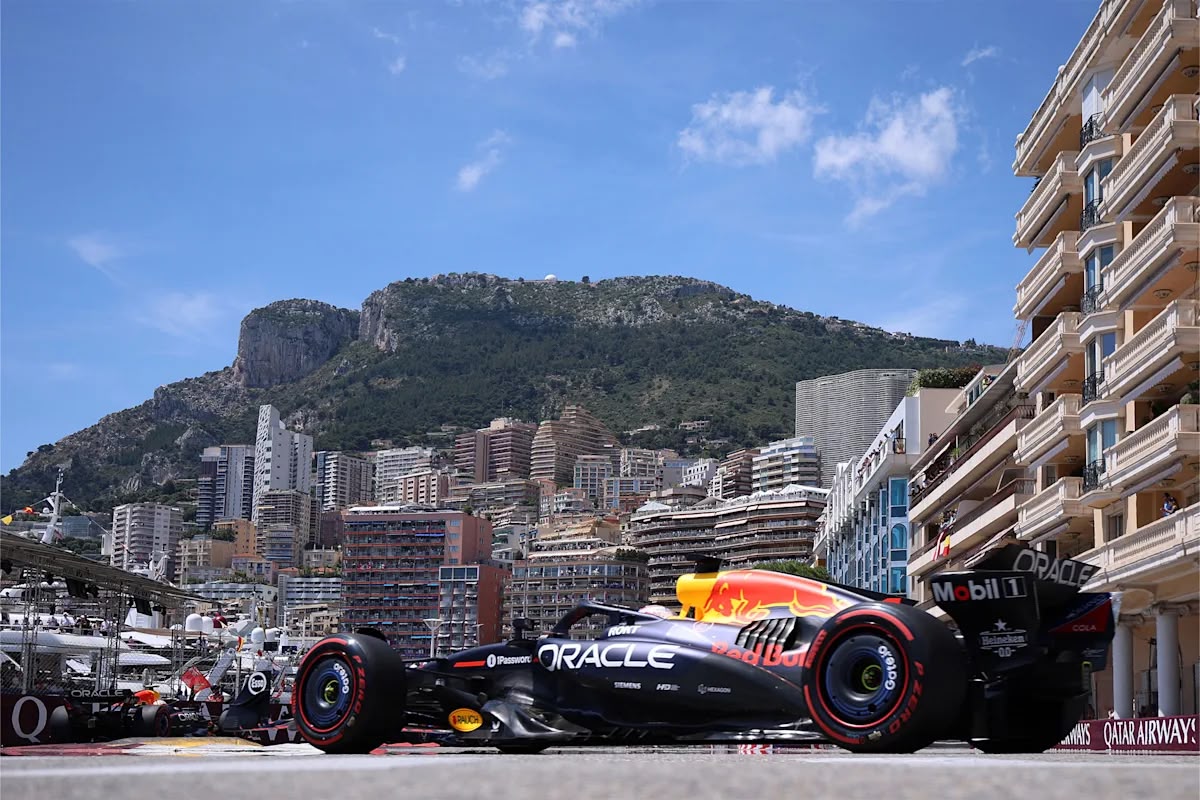

In the aftermath of an intense and incident-filled qualifying session at the Monaco Grand Prix, Formula 1 officials have summoned four drivers to appear before the race stewards, adding yet another layer of drama to an already thrilling weekend in Monte Carlo. The decisions come following a series of on-track and pit-lane incidents that caught the attention of race control, raising concerns over safety, rule compliance, and driving conduct during one of the most crucial sessions of the race weekend.
Among the drivers called to report is Ferrari’s Charles Leclerc, who endured a challenging qualifying session on home soil. Despite securing a fourth-place finish on the grid, his performance was overshadowed by an incident involving Audi driver Nico Hülkenberg. The German driver is under investigation for allegedly driving unnecessarily slowly through the tunnel section of the circuit—an action that could be deemed dangerous given Monaco’s tight layout and limited visibility. Leclerc’s involvement stems from his proximity to the situation, prompting officials to review whether any regulations were breached during the encounter.
The Monaco circuit, widely regarded as one of the most demanding tracks in Formula 1, leaves little margin for error. Its narrow streets, blind corners, and confined run-off areas mean that even minor misjudgments can have significant consequences. This context makes the stewards’ scrutiny particularly important, as maintaining safety standards is critical in such a high-risk environment.
Leclerc’s qualifying session itself was dramatic. The Monegasque driver, who carries the hopes of local fans every year, pushed hard during the final phase of qualifying but ultimately hit the wall on his last flying lap. While the contact did not drastically affect his grid position, it highlighted the fine line drivers must walk between maximizing performance and avoiding costly mistakes.
In addition to Leclerc and Hülkenberg, Williams driver Alexander Albon has also been summoned to the stewards. His case relates to a pit-lane incident involving Racing Bulls rookie Arvid Lindblad. The situation reportedly occurred outside the view of the main broadcast, but it was significant enough to warrant an investigation by race officials. Pit-lane conduct is strictly regulated in Formula 1 due to the presence of team personnel and the confined working space, where even a small error can pose serious safety risks.
Lindblad himself has also been called to appear before the stewards, making him the fourth driver involved in the post-qualifying inquiries. The incident between Albon and Lindblad is believed to involve unsafe positioning or movement within the pit lane, which may have obstructed another car or created a hazardous situation for mechanics. In fact, reports indicate that one of the cars involved narrowly avoided contact with a team member, underlining the seriousness of the matter.
As part of the same investigation, the Williams team has already faced consequences, receiving a financial penalty and a formal warning for their role in the pit-lane sequence. Officials determined that the team could have managed the situation more effectively, particularly in ensuring that their car did not impede others or create unnecessary risk. This serves as a reminder that responsibility in Formula 1 extends beyond the drivers to include the entire team operation.
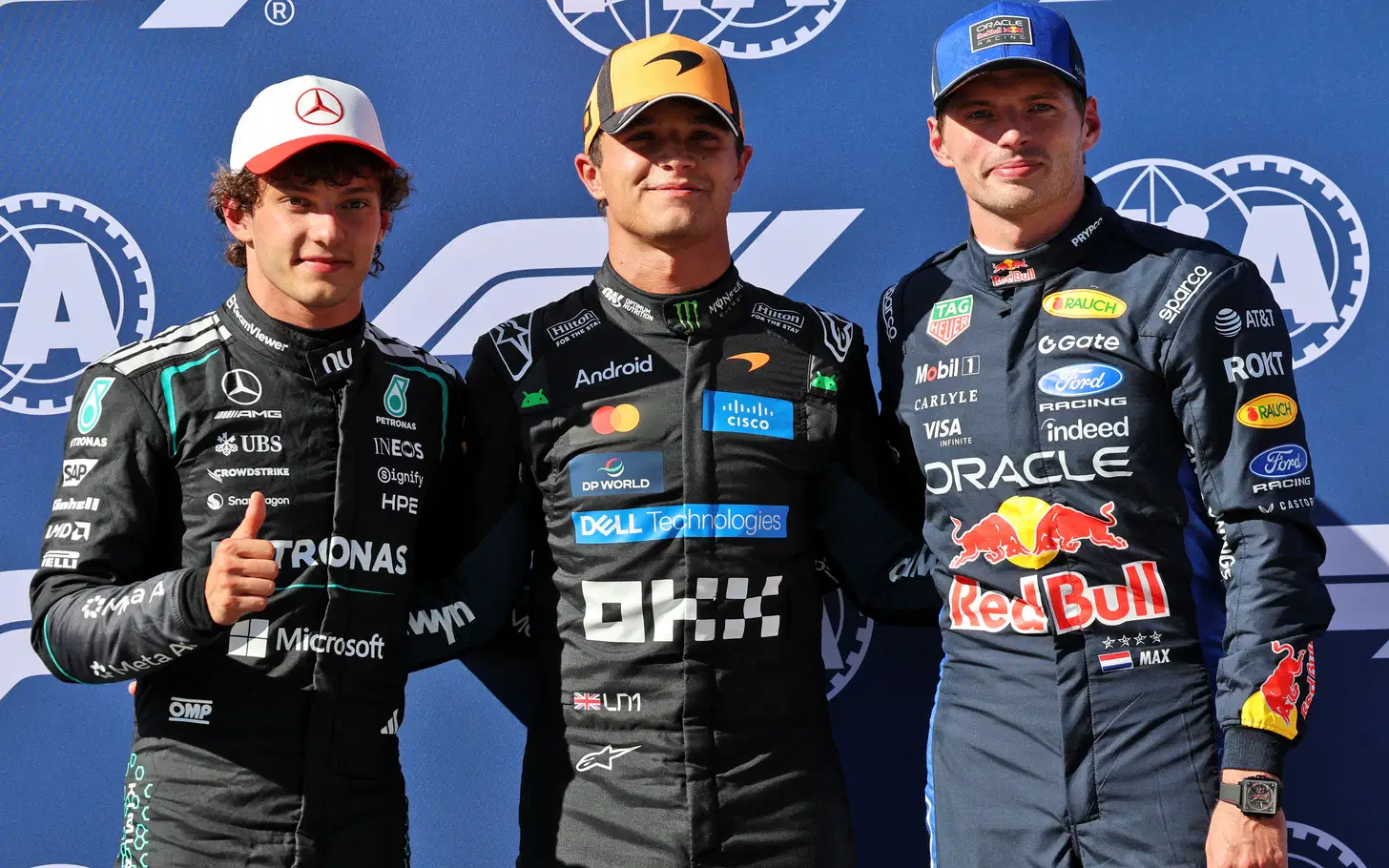
The timing of these summons adds further intrigue, as they come just hours after a spectacular qualifying session that saw Mercedes’ young star Kimi Antonelli claim pole position with a sensational final lap. His performance edged out reigning champion Max Verstappen by a razor-thin margin, while Lewis Hamilton secured third place on the grid.
Antonelli’s pole lap was widely praised as a standout moment, especially given the pressure and precision required at Monaco. However, the focus has now partially shifted away from the front of the grid to the unfolding investigations behind the scenes. Depending on the outcomes of the stewards’ hearings, grid penalties or other sanctions could still alter the starting order for Sunday’s race.
Such scenarios are not uncommon in Formula 1, particularly at Monaco, where traffic management during qualifying is notoriously difficult. Drivers often slow down to create space for flying laps, but doing so excessively or in the wrong part of the circuit can lead to dangerous situations. This is why the FIA closely monitors driver behavior, especially in sections like the tunnel where visibility is limited and speeds remain high.
The stewards’ role is to carefully review all available evidence, including telemetry data, onboard footage, and team communications, before reaching a decision. Each driver will have the opportunity to present their case, often accompanied by team representatives. The process ensures that any penalties are applied fairly and in accordance with the sport’s regulations.
For fans and teams alike, the uncertainty surrounding these investigations adds an extra dimension to the race weekend. Monaco is already a circuit where qualifying position is critical due to the difficulty of overtaking, meaning any post-session penalties can have a significant impact on race strategy and outcomes.
As the Formula 1 paddock awaits the stewards’ verdicts, attention remains divided between celebrating an electrifying qualifying session and anticipating potential changes to the grid. Whether these summons result in penalties or are dismissed as racing incidents, they highlight the constant balance between competitiveness and safety in the sport.
Ultimately, the events of this Monaco qualifying session serve as a reminder of how quickly fortunes can change in Formula 1. A single moment—whether on track or in the pit lane—can trigger investigations, alter race prospects, and reshape the narrative of an entire weekend. With the race still to come, all eyes will be on the final decisions from the stewards and how they influence what promises to be another unforgettable Monaco Grand Prix.