George Russell has once again found himself at the center of Formula 1 debate after his previous comments about the Monaco Grand Prix resurfaced ahead of the 2026 edition of the famous race weekend. The Mercedes driver had earlier suggested that Formula 1 should seriously reconsider the structure of the Monaco event, even going as far as to claim there “should be no race” on Sunday if overtaking continues to remain nearly impossible around the narrow street circuit.
Monaco remains one of the most historic and glamorous venues in Formula 1 history. The race first appeared on the championship calendar during the inaugural F1 season in 1950 and has since become one of the sport’s most iconic events. Drivers, celebrities, and fans from across the world gather in Monte Carlo every year to witness the spectacle of cars weaving through the tight barriers at breathtaking speed.
Despite its legendary status, however, criticism of the Monaco Grand Prix has increased over recent seasons. Modern Formula 1 cars have grown significantly larger and wider than the machines used during earlier decades, making overtaking around Monaco incredibly difficult. As a result, qualifying sessions often determine the outcome of the race before Sunday even begins.
Russell’s comments originally came during discussions about how difficult it had become to race at Monaco in modern F1 machinery. The British driver argued that qualifying had become the true highlight of the weekend because the race itself offers very few opportunities for wheel-to-wheel action.
According to Russell, the excitement and pressure drivers experience during qualifying around Monaco’s narrow streets is unmatched anywhere else on the calendar. He suggested that fans and officials may simply need to accept the reality that Saturday qualifying is the most important and entertaining part of the event.
The Mercedes star even joked that perhaps there should not be a traditional race at all, instead proposing that qualifying results alone should decide the final points allocation. His remarks quickly attracted attention throughout the paddock and among Formula 1 supporters worldwide.
Although some fans viewed the comments as humorous frustration, others believed Russell had raised an important point about Monaco’s place in modern Formula 1. The debate surrounding the race has continued for years, with critics arguing that Sunday races have become predictable processions due to the lack of overtaking opportunities.
Supporters of Monaco, however, insist that the event represents far more than simple racing action. They believe the challenge of precision driving, the immense pressure during qualifying, and the unique history of the venue justify its permanent position on the calendar.
Formula 1 itself clearly remains committed to Monaco despite the criticism. The sport recently agreed a contract extension that will keep the Monaco Grand Prix on the schedule until at least 2035, ensuring that one of motorsport’s most famous races remains part of the championship for years to come.
Interestingly, Russell is not alone in recognizing how crucial qualifying has become at Monaco. Several drivers and team representatives have admitted that Saturday is often more important than the race itself because track position is nearly impossible to change once the lights go out on Sunday.
Even reigning world champion Max Verstappen acknowledged ahead of this year’s Monaco weekend that qualifying would once again be the defining session. The Red Bull driver admitted that teams know success in Monaco usually depends entirely on delivering the perfect lap during qualifying.
Verstappen also explained that Monaco can produce unexpected performances because the circuit characteristics differ greatly from other tracks on the calendar. Unlike power-sensitive circuits with long straights, Monaco rewards precision, low-speed grip, confidence over bumps, and the ability to attack kerbs without losing control.
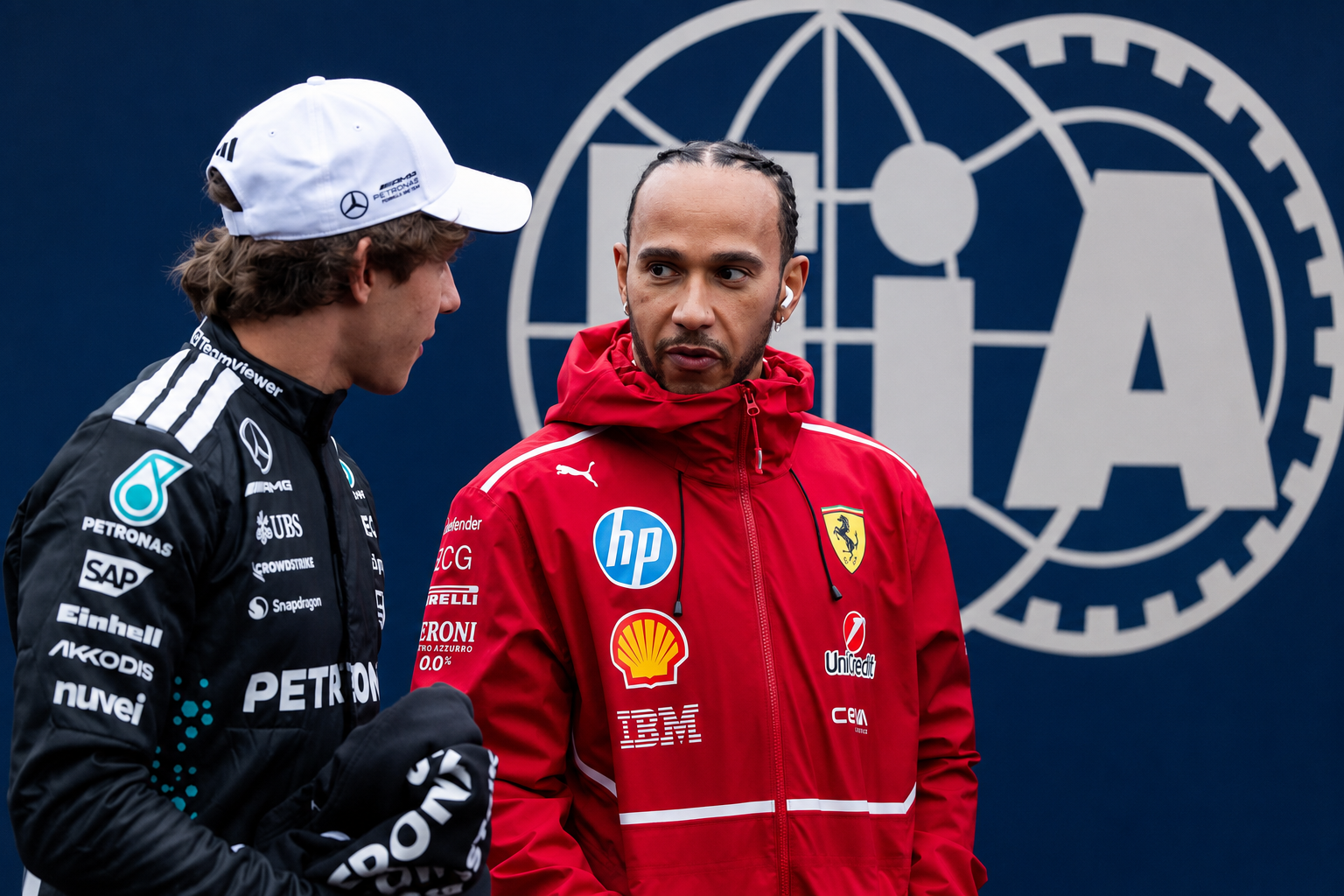
Ferrari appeared to benefit from those characteristics during the opening practice session of the 2026 Monaco Grand Prix weekend. Charles Leclerc delighted local fans by finishing fastest in first practice, narrowly ahead of team-mate Lewis Hamilton. Ferrari’s strong pace suggested that the narrow street circuit could help neutralize Mercedes’ power advantage that has dominated much of the early season.
Mercedes, however, still looked competitive. Championship leader Kimi Antonelli and Russell both finished inside the top five during the session, showing that the Silver Arrows remain a major threat despite concerns that Monaco may suit Ferrari more naturally.
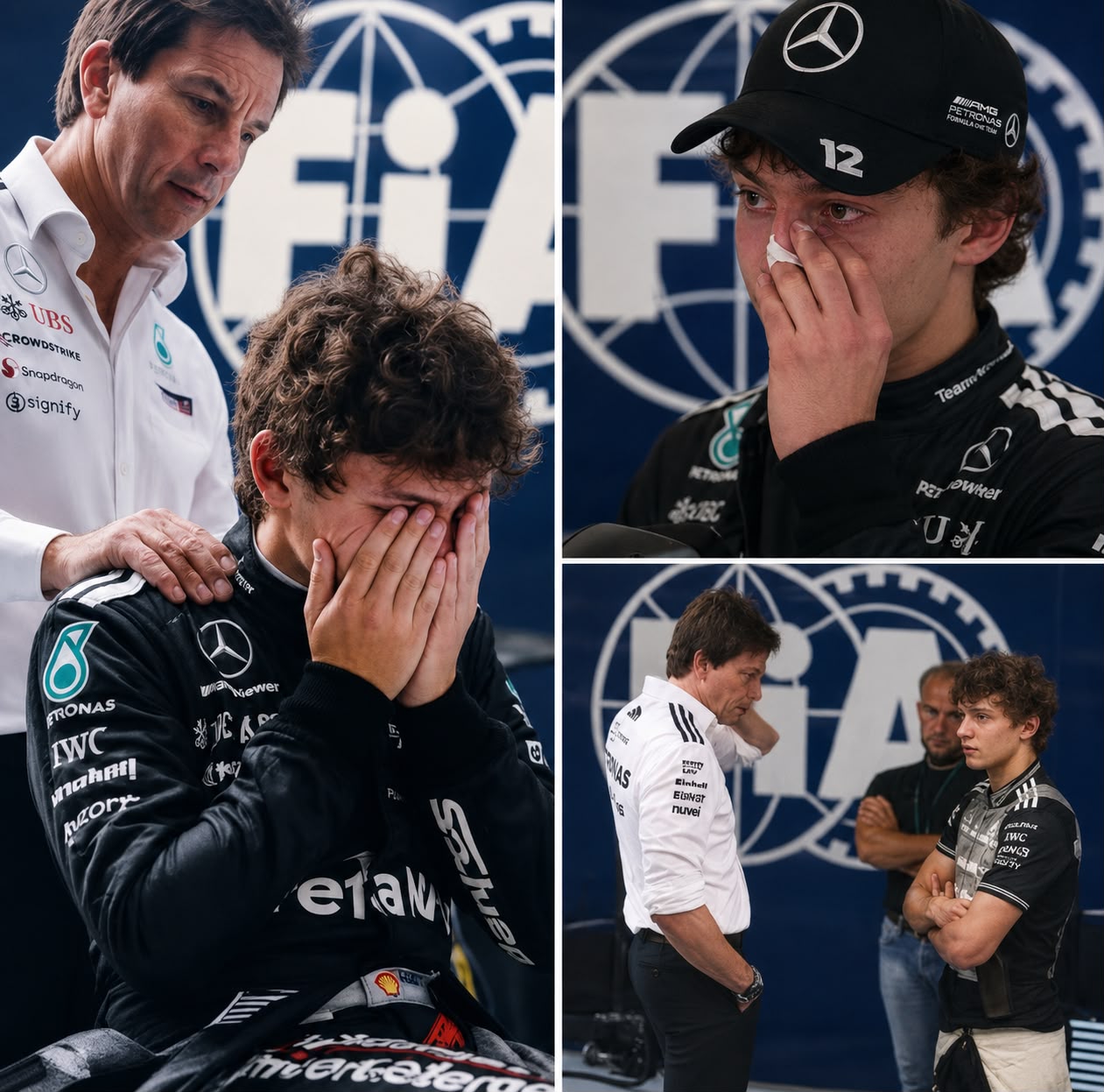
The Monaco weekend has already provided drama for Russell and Mercedes beyond the resurfaced comments. FIA stewards handed the team a punishment after an incident involving Russell during practice, adding further attention to the British driver during an already intense weekend.
Russell also arrives in Monaco under growing pressure in the championship battle against his younger team-mate Antonelli. The Italian teenager has enjoyed a remarkable start to the 2026 season and currently leads the standings by a comfortable margin following several impressive victories.
Despite falling behind in the championship, Russell has attempted to remain calm and confident. He recently stated that Antonelli now has the title “to lose,” while insisting he still believes momentum can shift dramatically across a long Formula 1 season.
The internal Mercedes rivalry has become one of the biggest talking points of the season. Both drivers have pushed each other aggressively on track, including tense moments during the Canadian Grand Prix weekend. Team principal Toto Wolff has reportedly warned both drivers about risking unnecessary collisions that could damage Mercedes’ championship hopes.
Still, Monaco presents an entirely different challenge compared to other circuits. Drivers must operate with millimeter precision around barriers while carrying enormous speed through corners that leave no room for mistakes. One small error can instantly destroy an entire weekend.
That is exactly why many drivers continue to love Monaco despite its racing limitations. Qualifying around the streets of Monte Carlo is often described as the ultimate test of courage and concentration in Formula 1. Every lap requires total commitment, with drivers brushing barriers while searching for fractions of a second.
Russell’s criticism therefore highlights the strange balance Monaco creates in modern Formula 1. On one hand, the circuit remains one of the sport’s greatest spectacles and most prestigious venues. On the other, the race itself can sometimes fail to deliver the action fans expect from modern Formula 1 competition.
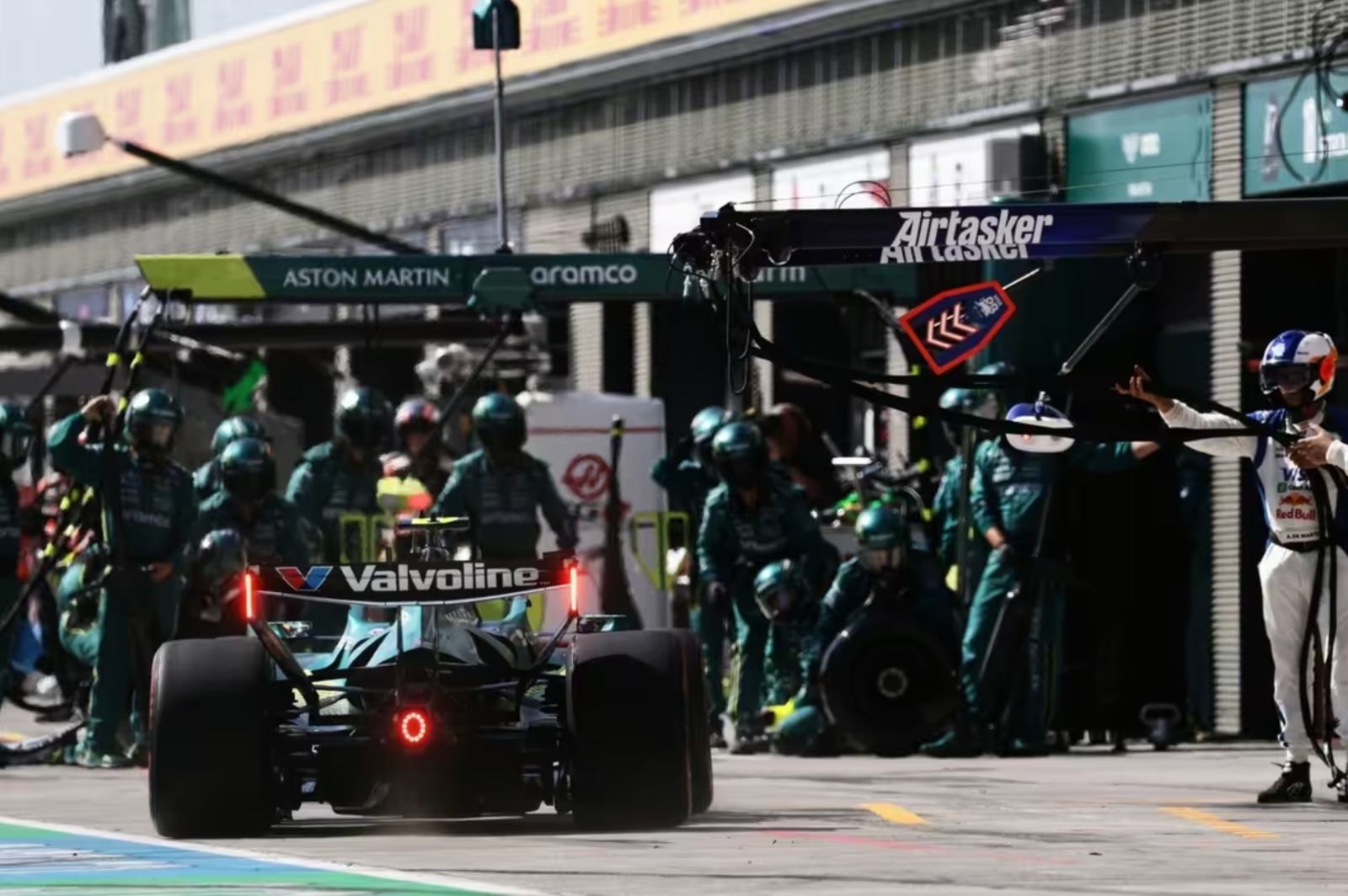
Formula 1 has already experimented with ways to improve the Monaco race. Officials introduced mandatory two-stop strategies in previous seasons in an attempt to create more tactical variation and overtaking opportunities. Discussions about reducing car sizes have also been ongoing as the sport prepares for future regulations.
Even with those efforts, many believe Monaco’s narrow layout will always make overtaking extremely difficult. That reality explains why Russell’s comments continue to resurface whenever the championship returns to Monte Carlo.
Whether fans agree with Russell or not, his remarks have reignited one of Formula 1’s biggest debates: should Monaco remain untouched because of its legendary history, or should the sport fundamentally rethink how the event works in the modern era?
For now, Monaco’s place on the calendar appears completely secure. The race remains one of Formula 1’s crown jewels, attracting massive global attention every year. But as modern Formula 1 cars continue evolving, the conversation surrounding the future of racing in Monaco is unlikely to disappear anytime soon.