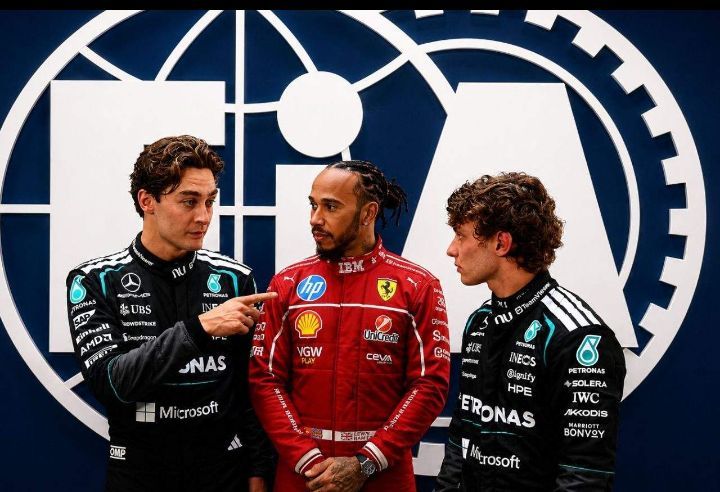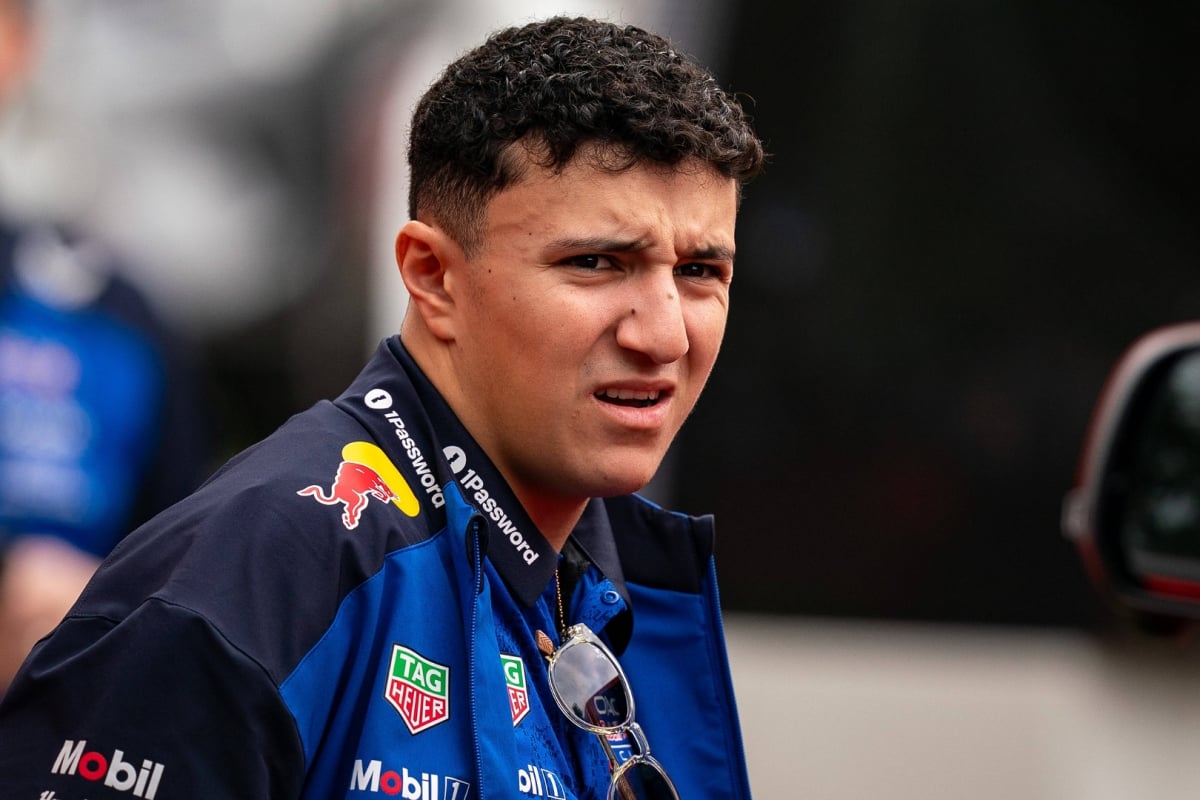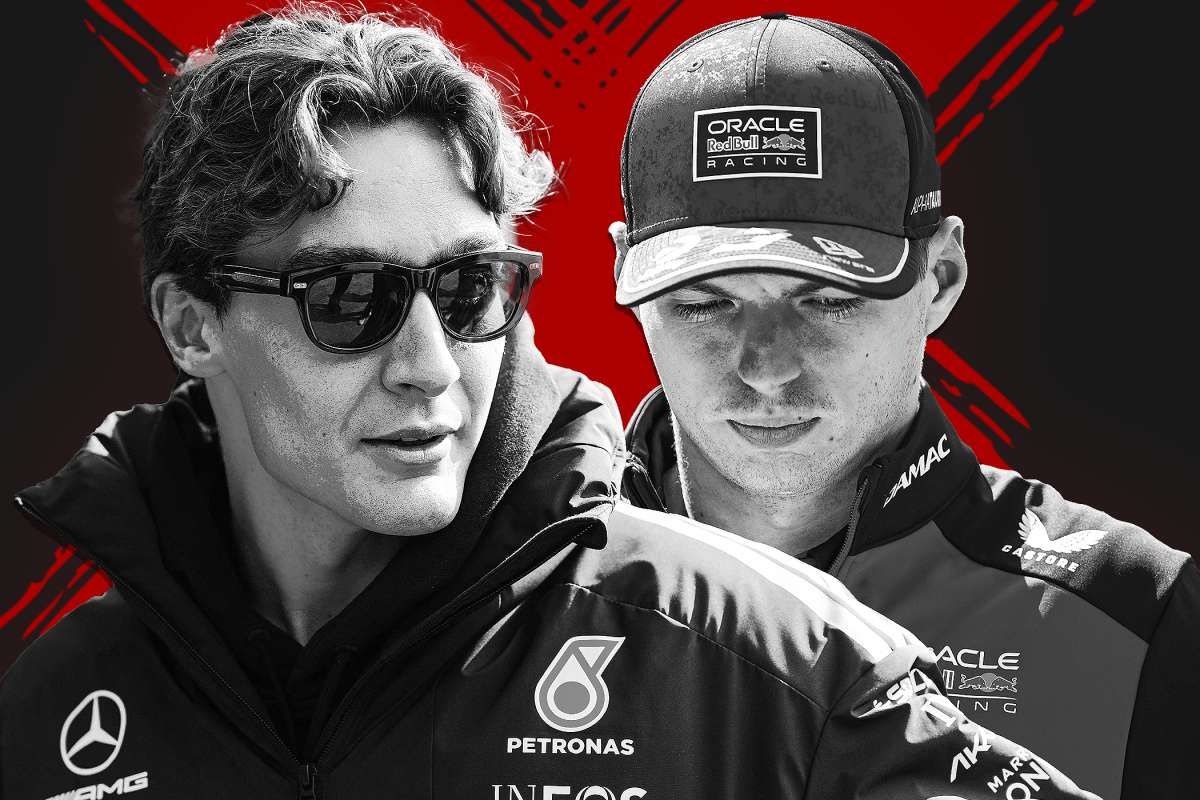
In the midst of growing tension surrounding Formula One’s new era of regulations, George Russell has publicly addressed the ongoing situation involving Max Verstappen, offering a measured but candid perspective on the Dutch driver’s frustrations and uncertain future in the sport. Russell’s comments come at a time when Verstappen, a four-time world champion, has become one of the most vocal critics of the sport’s 2026 rule changes—particularly those affecting how cars are driven and how races unfold.
The updated regulations, which place a heavier emphasis on hybrid power units and energy management, have fundamentally altered the dynamics of racing. Instead of flat-out speed and aggressive driving dominating the spectacle, drivers must now carefully balance electrical deployment with traditional engine performance. For Verstappen, this shift has proven deeply unsatisfying. He has openly described the new system as restrictive and “anti-racing,” expressing concerns that it diminishes the essence of Formula One as a sport built on pure competition and driver skill.
Russell acknowledged these concerns but approached the issue from a broader perspective. While he admitted that Verstappen’s frustrations are understandable—especially given his recent struggles on track—he also suggested that such criticism is not entirely new in Formula One. According to Russell, dissatisfaction with car performance or regulations often depends on competitive circumstances. He pointed out that in previous seasons, when Verstappen was dominating races and winning championships, similar complaints about the nature of the cars were far less prominent.
This observation highlights a recurring theme in Formula One: drivers’ perceptions of regulations are often influenced by their position in the competitive hierarchy. When a driver is winning consistently, the flaws of a system may feel less significant. However, when results decline—as has been the case for Verstappen this season—those same issues can become far more pronounced and frustrating.
Despite this, Russell made it clear that his remarks were not intended to dismiss Verstappen’s concerns entirely. Instead, he emphasized that Verstappen has already achieved extraordinary success in his career and therefore has little left to prove. With multiple world titles to his name, Verstappen is in a unique position where he can begin to consider priorities beyond Formula One, including personal fulfillment and opportunities in other forms of motorsport.
Russell went further to say that if Verstappen ultimately decided to step away from Formula One, he would understand the decision. From his perspective, it would not be surprising for a driver who has reached such heights to reassess their goals, particularly if the current direction of the sport no longer aligns with their passion. Verstappen has already shown interest in endurance racing and events such as the Nürburgring 24 Hours, suggesting that his ambitions may extend beyond the traditional Formula One calendar.
At the same time, Russell stressed an important principle: Formula One as a championship is bigger than any individual driver. While Verstappen’s presence undeniably adds excitement and prestige to the sport, Russell believes that no single competitor defines Formula One. The championship has a long history of evolving through different eras, with new stars emerging as others step aside. This perspective underscores the resilience of the sport, even in the face of potential departures from its biggest names.
Nevertheless, Russell did not downplay Verstappen’s significance. He admitted that losing a driver of Verstappen’s caliber would be a major blow, both in terms of competition and fan engagement. Drivers and fans alike enjoy the challenge and spectacle that Verstappen brings to the grid. His aggressive driving style, relentless consistency, and competitive spirit have made him one of the defining figures of modern Formula One.
Russell also touched on the broader context of the current season, where performance disparities between teams have added to the tension. Mercedes, Russell’s team, has started the season strongly, securing wins and establishing itself as a leading force. In contrast, Red Bull has struggled to match its previous dominance, leaving Verstappen further frustrated with both his machinery and the regulations shaping its performance.
These contrasting fortunes have only intensified the debate around the new rules. While some teams have adapted successfully, others have found themselves at a disadvantage, leading to calls for adjustments. Verstappen’s outspoken criticism has brought these concerns to the forefront, prompting discussions among teams, the FIA, and Formula One management about potential refinements to improve racing quality and safety.
Russell, however, appears to advocate for a more balanced approach. Rather than reacting impulsively to criticism, he believes the sport should carefully evaluate the situation and allow time for the regulations to mature. Major rule changes often require an adjustment period, during which teams and drivers learn to optimize performance under new conditions.
Ultimately, Russell’s comments reflect a combination of empathy and realism. He understands why Verstappen feels the way he does, especially given the challenges of adapting to a dramatically different racing environment. At the same time, he recognizes that Formula One must continue to evolve, even if that evolution is not universally welcomed.
The situation remains fluid, with Verstappen yet to make a definitive decision about his future. His contract runs for several more years, but performance clauses and personal considerations could influence his next move. Whether he chooses to stay and fight for more titles or explore new challenges elsewhere, his decision will undoubtedly have a significant impact on the sport.
For now, Russell’s stance captures the delicate balance within Formula One: respecting the concerns of its biggest stars while maintaining confidence in the sport’s long-term strength. His message is clear—while Verstappen’s voice matters, and his presence is valued, Formula One will continue to thrive regardless of any single driver’s path.