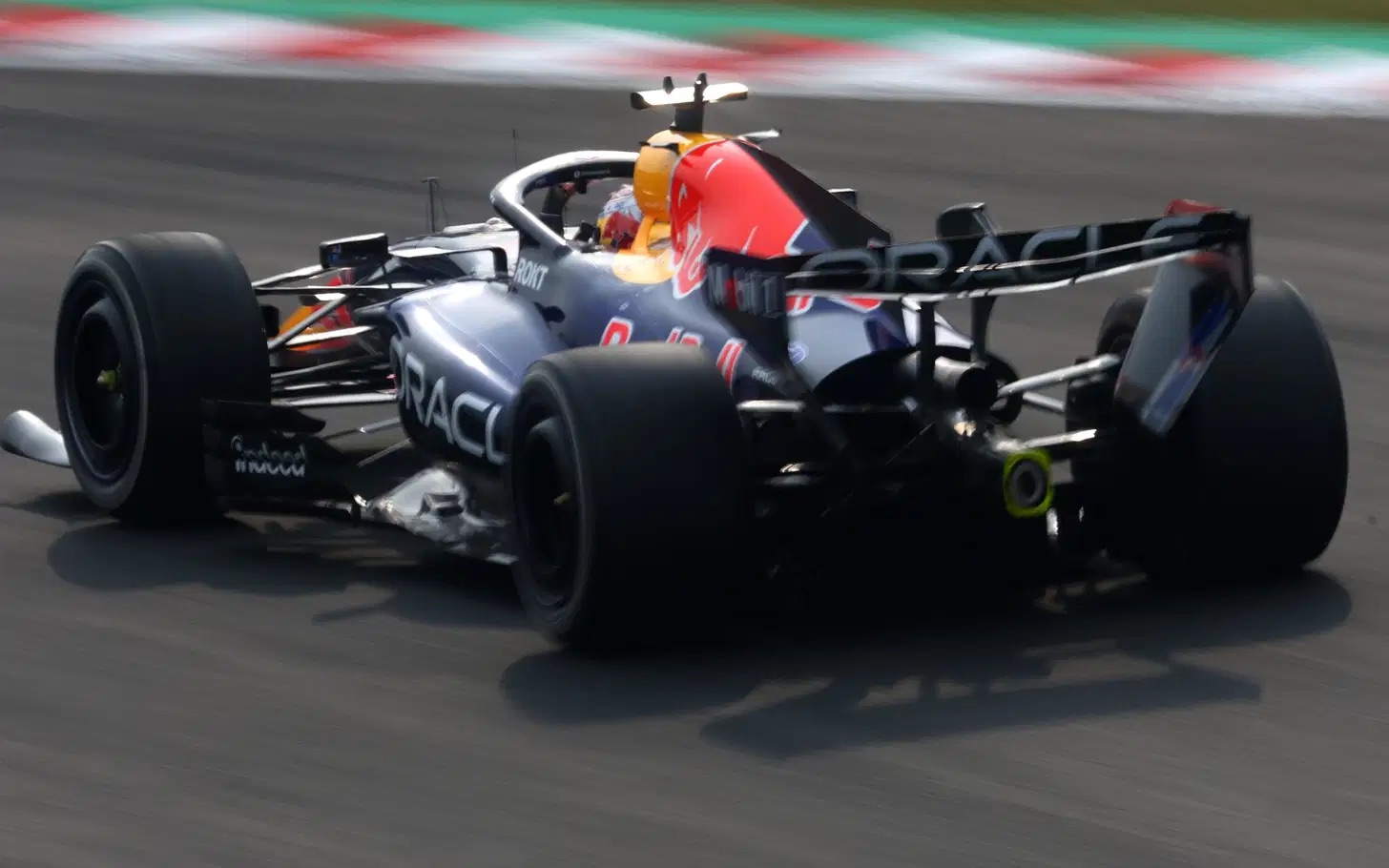
Martin Brundle has issued a stark warning about Max Verstappen’s future, suggesting that if the Dutch superstar decides to leave Red Bull, he may discover that the doors to Formula 1’s top teams are not as wide open as many assume. While Verstappen remains one of the most sought-after talents in motorsport, the reality of the current F1 driver market means that even a four-time world champion cannot simply choose any seat he wants.
Verstappen’s long-term future has become a major talking point in recent months. Red Bull’s struggles under Formula 1’s new regulations have raised questions about whether the team can continue to provide him with a championship-winning car. The once-dominant outfit has found itself under increasing pressure, and with Verstappen openly voicing concerns about the direction of the sport and the competitiveness of his machinery, speculation about a potential exit has intensified.
Brundle, however, believes that leaving Red Bull may not automatically lead to a better opportunity elsewhere. In theory, Verstappen would be the number one target for any team on the grid. In practice, though, the leading teams already have established line-ups that they are reluctant to disrupt. That creates a complicated situation for a driver who may wish to move but could find very few realistic options available.
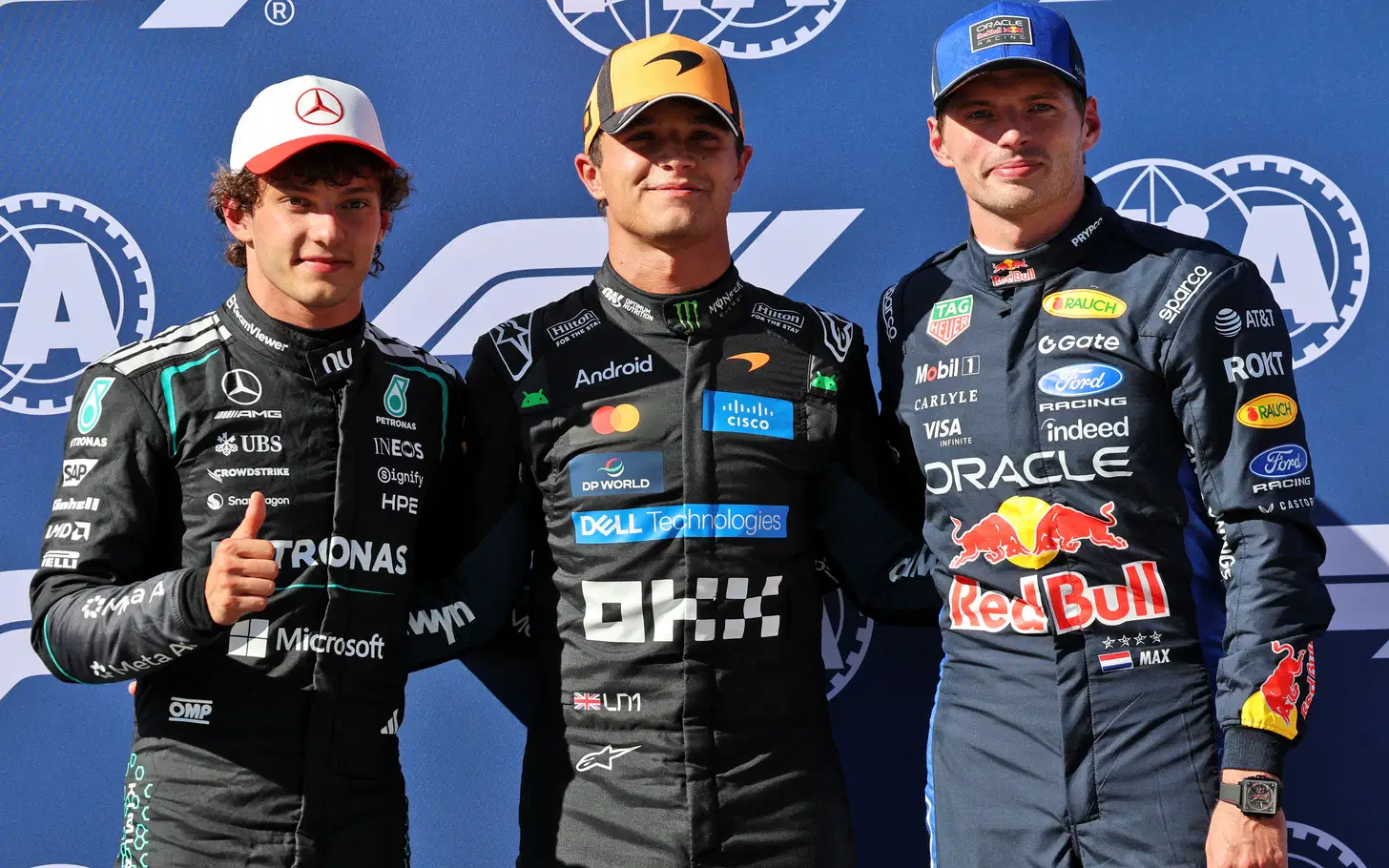
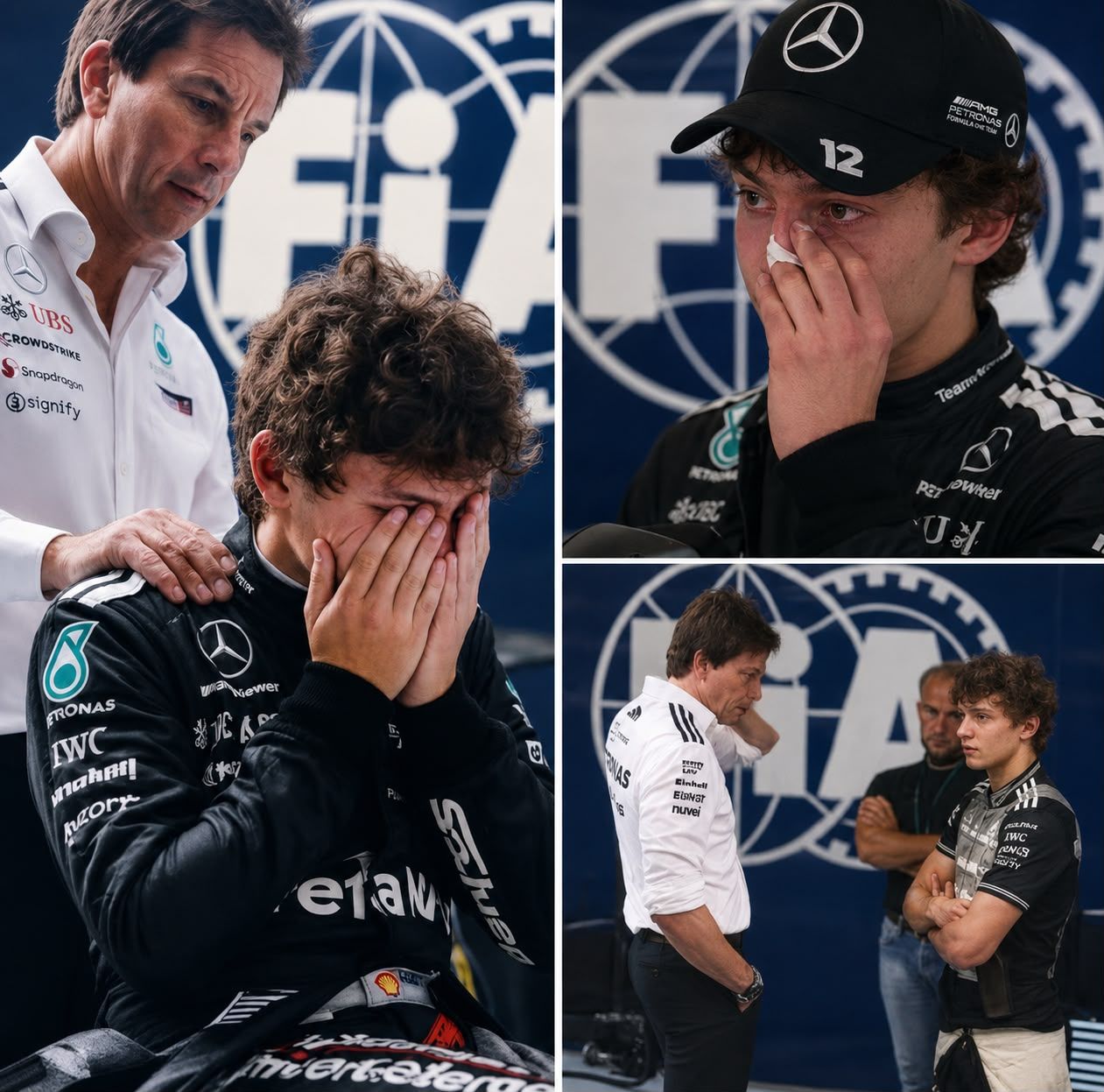
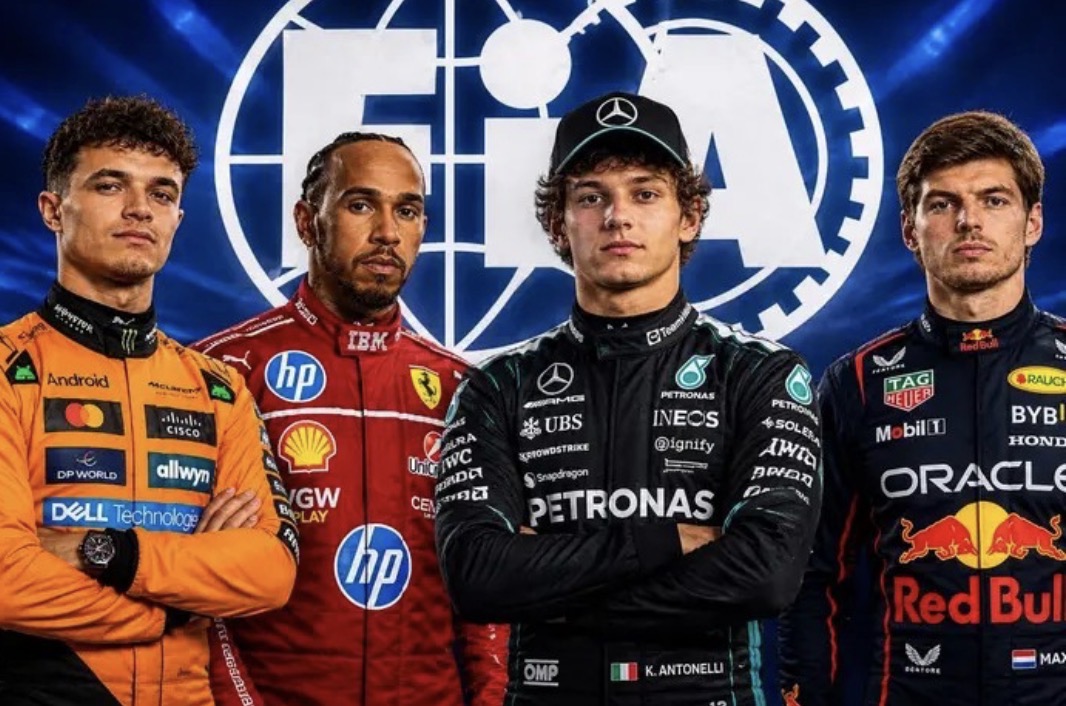
Mercedes has frequently been mentioned as the most likely destination should Verstappen decide to part ways with Red Bull. Team principal Toto Wolff has long admired Verstappen, and the Silver Arrows were heavily linked with him during previous periods of uncertainty. Yet Mercedes currently appears committed to its present pairing. George Russell has firmly established himself as a team leader, while Kimi Antonelli represents the future of the team as one of the sport’s brightest young prospects. Both drivers are deeply integrated into Mercedes’ long-term plans, making it difficult to imagine the team abandoning that strategy, even for a driver of Verstappen’s calibre.
McLaren is another team that has occasionally been floated as a possible destination. The Woking-based squad has built a formidable driver partnership in Lando Norris and Oscar Piastri. Their combination of speed, youth, and harmony has become one of McLaren’s greatest strengths. The team has worked hard to cultivate a balanced and productive environment, and there is little incentive to upset that chemistry. Even with Verstappen’s extraordinary talent, replacing either Norris or Piastri would be a difficult decision, both strategically and emotionally.
The recent announcement that Verstappen’s longtime race engineer, Gianpiero Lambiase, will join McLaren in a senior role only added fuel to speculation. Some interpreted the move as a potential sign of future alignment between Verstappen and McLaren. But Brundle cautions against reading too much into that connection. A trusted engineer moving teams does not necessarily mean a driver will follow, especially when McLaren already possesses one of the strongest and most cohesive driver line-ups on the grid.
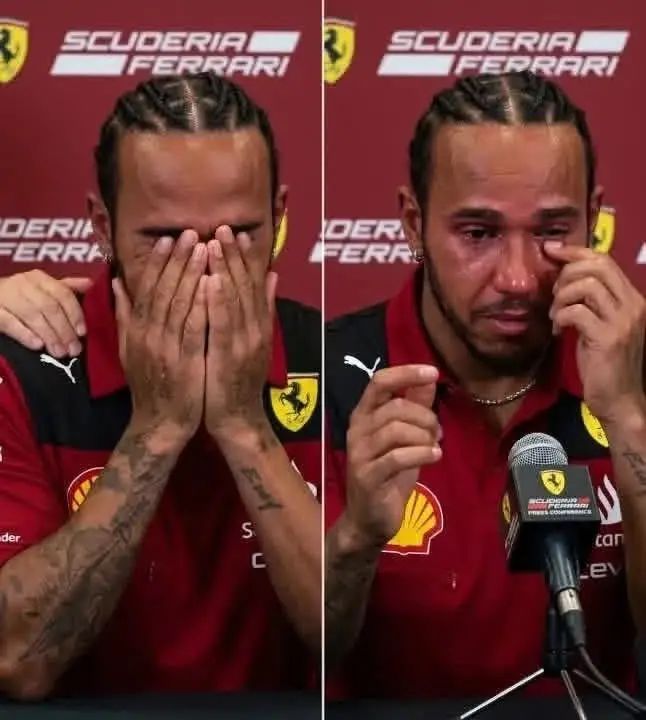
Ferrari, too, appears firmly settled. With Charles Leclerc and Lewis Hamilton under contract, the Scuderia has no obvious vacancy. Leclerc remains central to Ferrari’s long-term ambitions, while Hamilton’s arrival was one of the most significant moves in recent F1 history. The Italian team is unlikely to disrupt that pairing anytime soon, particularly given the enormous investment and attention surrounding Hamilton’s tenure.
This leaves Verstappen in a fascinating yet potentially frustrating position. Despite being widely regarded as one of the finest drivers of his generation, his path to another top seat is not straightforward. Formula 1 teams are no longer willing to make abrupt changes simply for star power alone. Stability, team chemistry, and long-term planning now carry enormous weight.
Brundle’s comments highlight an important shift in the sport. In previous eras, a driver of Verstappen’s stature would have been able to command virtually any seat on the grid. Today, however, the leading teams are increasingly focused on continuity. They have invested heavily in their current drivers, many of whom are delivering excellent results and fit seamlessly into their broader competitive strategies.
That does not mean Verstappen lacks leverage. Far from it. His presence alone can influence negotiations, shift market dynamics, and create uncertainty throughout the paddock. If a seat were to become available unexpectedly, he would almost certainly be the first name on every shortlist. But at this moment, there are no clear openings at the front of the field.
For Red Bull, this situation may actually strengthen their hand. Knowing that Verstappen’s alternatives are limited could provide the team with some reassurance as they work to retain their star driver. Their priority now is clear: deliver a competitive car and restore confidence. If they can prove that they remain capable of fighting for championships, Verstappen may see little reason to leave.
Brundle also pointed out that Red Bull’s upcoming upgrades could be crucial in shaping Verstappen’s thinking. The team is expected to introduce significant developments aimed at improving the car’s performance. How effective those upgrades prove to be may determine whether Verstappen believes Red Bull can return to the front.
Interestingly, Brundle noted that Red Bull’s power unit performance has not been the primary concern. Instead, the issues appear to lie more with the chassis and overall car balance. If those weaknesses can be addressed, Red Bull may yet re-establish itself as a genuine title contender. That would dramatically alter the conversation around Verstappen’s future.
Verstappen himself is unlikely to make any rash decisions. He has always been fiercely competitive and deeply committed to winning. Any move away from Red Bull would be driven by performance considerations above all else. If he cannot identify a clearly superior option, remaining with Red Bull could still represent his best chance of future success.
Moreover, there is the question of legacy. Verstappen has achieved extraordinary success with Red Bull, and continuing that partnership could further cement one of the most dominant driver-team relationships in Formula 1 history. Walking away would only make sense if another team could offer a significantly better platform for victory.
Ultimately, Brundle’s warning serves as a reminder that even the biggest stars are subject to the realities of the modern F1 marketplace. Talent alone does not guarantee freedom of movement. Contracts, team dynamics, and strategic planning all play decisive roles.
For now, Verstappen remains Red Bull’s centerpiece. The team’s immediate challenge is to give him every reason to stay. And for Verstappen, the decision may come down to a simple question: is there truly a better place to be?
At present, the answer appears far less obvious than many might think. The top teams are settled, their line-ups are strong, and none are eager to make a change. If Verstappen does choose to leave Red Bull, he may find that the path forward is narrower than expected.
In Formula 1, even a champion can sometimes discover that opportunity is not just about talent—it is also about timing. And right now, the timing may not be on Verstappen’s side.