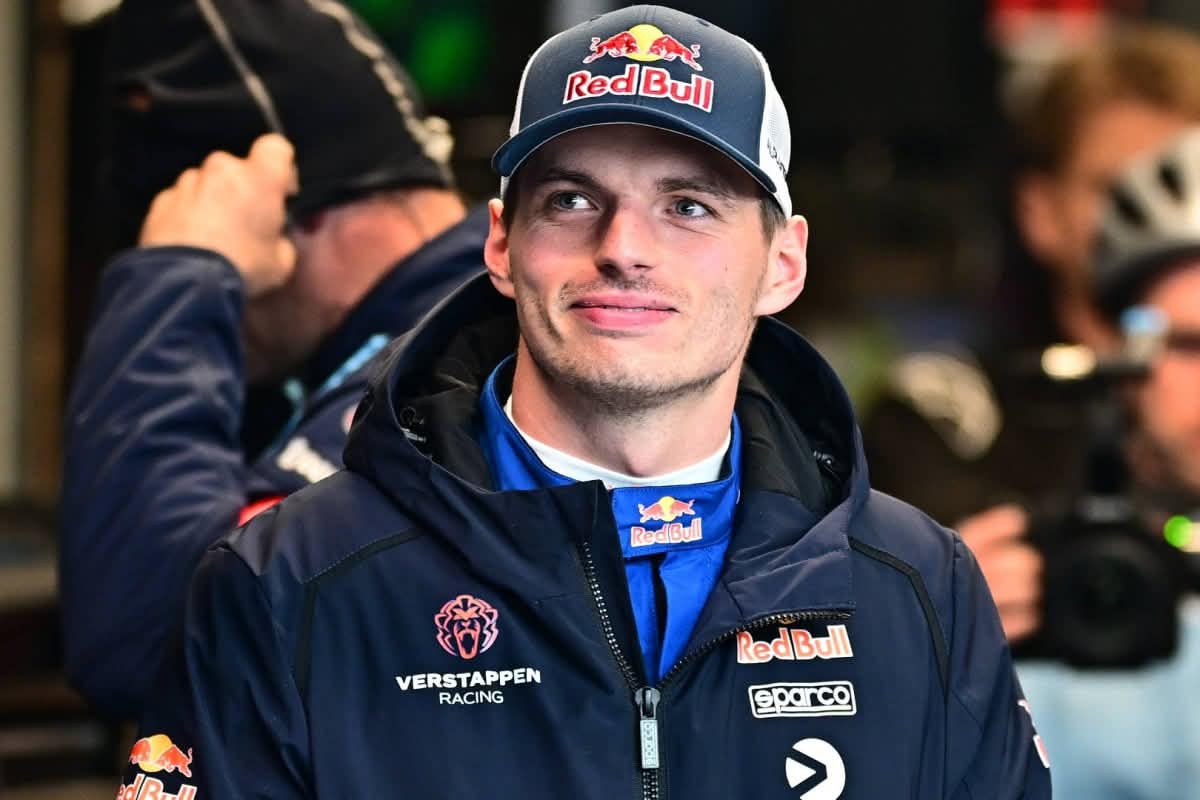

In a dramatic turn of events that once again highlights the unpredictable nature of motorsport, Max Verstappen has benefitted from a significant post-race development after a late disqualification altered the final standings of a major endurance event. The reshuffling of results came long after the race had concluded, underlining how outcomes in high-level racing are sometimes only truly decided days—or even weeks—after the chequered flag falls.
The Dutch driver, widely regarded as one of the most dominant figures in modern Formula 1, had participated in the prestigious Nürburgring 24 Hours race alongside his commitments in the F1 calendar. Despite his primary focus being on his championship campaign with Red Bull Racing, Verstappen has continued to explore opportunities in other racing disciplines, particularly endurance racing. His involvement in such events reflects both his versatility as a driver and his passion for motorsport beyond Formula 1.
Initially, the race results appeared to be settled, with Verstappen’s team finishing just outside the top position. However, the situation took a surprising twist when officials launched a detailed post-race review into one of the competing teams. After thorough scrutiny, it was determined that a breach of technical or sporting regulations had occurred, ultimately leading to the disqualification of a rival entry that had originally finished ahead.
The team affected by the ruling had fielded a Lamborghini entry that secured a strong result on track. However, following the stewards’ investigation, that result was nullified. The reasons for such disqualifications in endurance racing can vary widely, ranging from technical infringements to procedural violations. While the specifics of the infraction were not immediately the focus, the consequences were clear and decisive: the removal of the team from the final classification.
As a direct result of this decision, every team that had finished behind the disqualified entry was promoted by one position. This included Verstappen and his teammates, who consequently moved up in the standings. What initially seemed like a fixed outcome was suddenly transformed, rewarding those who had remained compliant with the regulations throughout the grueling event.
Such late changes to race results are not unprecedented in motorsport, but they always generate considerable discussion among fans, teams, and analysts. In endurance racing especially, where events can last 24 hours or more, the complexity of regulations and the intensity of competition often lead to post-race inspections that can uncover issues not immediately apparent during the race itself.
For Verstappen, this development represents a positive outcome in what has already been a demanding racing schedule. Balancing Formula 1 commitments with participation in endurance events is no small feat, yet he has demonstrated an ability to remain competitive across different formats. His promotion in the final standings serves as a reminder that consistency and adherence to the rules are just as important as outright speed.
The delay in confirming the official results—reportedly taking several weeks—also sheds light on the meticulous processes involved in motorsport governance. Race stewards and governing bodies must ensure that every aspect of the competition complies with the established regulations, even if it means revisiting results long after the event has ended. While this can be frustrating for teams and fans awaiting final confirmation, it ultimately reinforces the integrity of the sport.
This incident also echoes similar situations in Formula 1 and other racing series, where post-race disqualifications have significantly impacted standings. For instance, there have been occasions where drivers lost podium finishes or victories due to technical infringements discovered after the race. These moments serve as stark reminders that success in motorsport is not solely determined on the track but also in the technical compliance that underpins every performance.
In Verstappen’s case, the promotion may not carry the same weight as a race victory, but it nonetheless contributes to his broader racing achievements. As a four-time Formula 1 world champion, he has already cemented his status as one of the sport’s elite drivers, known for his aggressive driving style, consistency, and ability to extract maximum performance from his machinery.
Moreover, his willingness to compete in events like the Nürburgring 24 Hours demonstrates a commitment to honing his skills across different racing disciplines. Endurance racing presents unique challenges, including variable weather conditions, driver changes, and the need for sustained concentration over extended periods. Excelling in such an environment requires not only speed but also teamwork, strategy, and resilience.
The disqualification that triggered Verstappen’s promotion also highlights the fine margins that define success and failure in motorsport. Teams operate within extremely tight regulatory frameworks, and even minor deviations can have significant consequences. Whether intentional or accidental, rule breaches are treated seriously, as they can undermine the fairness of competition.
For fans, these developments add an extra layer of intrigue to the sport. While the on-track action remains the centerpiece, the post-race analysis and potential for changes in results keep audiences engaged long after the race has ended. It also emphasizes the importance of transparency and accountability in maintaining trust in the sport’s governing bodies.
Looking ahead, Verstappen’s experience in endurance racing could prove beneficial in his ongoing Formula 1 campaign. The skills developed in such events—particularly in terms of race management and adaptability—can translate into improved performance in F1, where strategic decision-making often plays a crucial role.
In conclusion, the late disqualification that led to Max Verstappen’s promotion is a testament to the ever-evolving nature of motorsport. It underscores the importance of regulatory compliance, the unpredictability of race outcomes, and the value of perseverance. While the spotlight often shines on the winners crossing the finish line, this episode serves as a reminder that the final story of a race is sometimes written well after the engines have fallen silent.