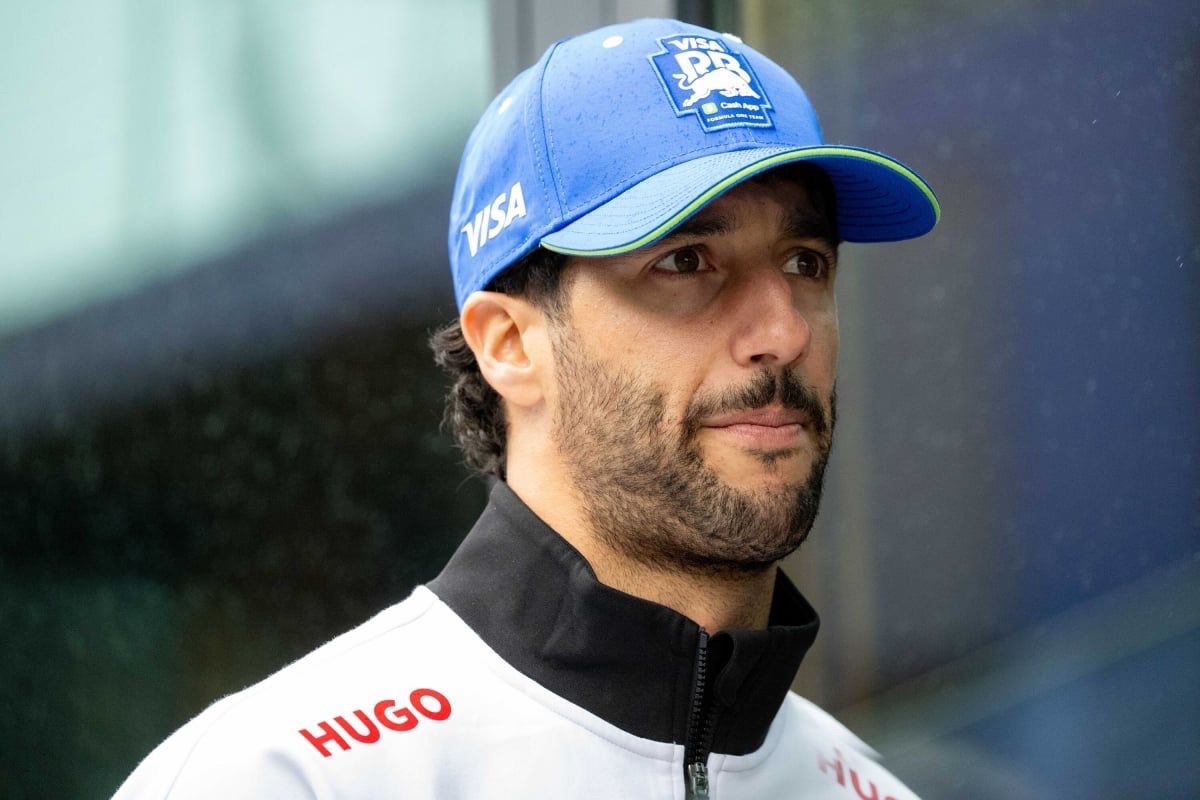
Zak Brown has never been one to shy away from speaking his mind, and his latest remarks about Daniel Ricciardo have once again reignited discussion about one of Formula 1’s most closely watched driver-team relationships. Brown’s comments, while candid, reflect the harsh realities of elite motorsport, where performance is scrutinized relentlessly and expectations leave little room for sentiment.
Ricciardo’s move to McLaren in 2021 was initially seen as one of the most exciting driver transfers in recent years. After establishing himself as one of the grid’s most talented and charismatic drivers during spells with Red Bull and Renault, the Australian arrived at McLaren with hopes of returning to consistent front-running form. The partnership seemed like a natural fit: a proven race winner joining one of Formula 1’s most iconic teams, both eager to climb back to the summit of the sport.
However, while the move generated enormous anticipation, the reality proved far more complicated. Ricciardo struggled to adapt to McLaren’s unique car characteristics, particularly its braking behavior and corner-entry demands. Those challenges prevented him from extracting the same level of performance that had made him such a formidable competitor elsewhere. In contrast, teammate Lando Norris adapted seamlessly, often delivering impressive results and setting a benchmark Ricciardo found difficult to match.
Brown’s assessment of Ricciardo’s time at McLaren was straightforward. He acknowledged that, aside from standout moments such as Ricciardo’s memorable victory at Monza in 2021, the partnership did not consistently deliver the results either side had envisioned. It was not a personal attack, but rather an honest evaluation of a sporting relationship that had fallen short of its lofty expectations. In Formula 1, results are the ultimate currency, and even highly respected drivers are judged primarily by what they achieve on track.
What made Ricciardo’s situation particularly challenging was the contrast with Norris. The younger Briton not only adapted quickly to McLaren’s machinery but also established himself as the team’s clear leader. Week after week, Norris extracted pace from the car, qualified strongly, and scored valuable points. This comparison inevitably amplified Ricciardo’s struggles, making his underperformance more visible and more difficult to ignore.
To Ricciardo’s credit, he handled the criticism with admirable professionalism. He openly admitted that Brown’s comments were fair, recognizing that his performances had not met either his own expectations or those of the team. That level of self-awareness is rare in a sport where ego often runs as high as engine revs. Ricciardo made it clear that no one was more disappointed than he was, and that he remained determined to unlock his full potential.
His victory at the 2021 Italian Grand Prix remains a shining highlight of his McLaren tenure. That weekend showcased the Ricciardo fans had come to know and admire: aggressive, confident, and supremely skilled under pressure. He not only secured McLaren’s first Formula 1 victory since 2012 but also led a remarkable one-two finish for the team. It was a reminder of his immense talent and what was possible when everything clicked.
Yet Formula 1 is unforgivingly consistent in its demands. One brilliant weekend, no matter how historic, cannot fully compensate for a prolonged lack of competitiveness. Over the course of his McLaren stint, Ricciardo too often found himself battling in the midfield rather than contending at the front. For a driver of his caliber and reputation, that was a frustrating reality.
Brown’s comments also underscored the broader pressures facing team principals and executives. McLaren is a team with championship ambitions, and every decision is evaluated through the lens of long-term success. Sentimentality may exist behind closed doors, but on the public stage, performance remains paramount. Brown’s role requires balancing support for his drivers with accountability to the team, its partners, and its fans.
Despite the criticism, Brown has consistently maintained that his relationship with Ricciardo remained strong. He has emphasized their mutual respect and acknowledged Ricciardo’s professionalism, work ethic, and positive influence within the team. That distinction is important. Brown’s critique was aimed at performance, not character. In fact, Ricciardo remained one of the most popular and respected figures in the paddock throughout his tenure.
Ricciardo’s struggles at McLaren also highlighted just how finely tuned modern Formula 1 cars have become. Even the most talented drivers can find themselves out of sync if a car’s handling characteristics do not align with their natural driving style. Success at this level depends not only on raw talent but also on the intricate compatibility between driver and machine. In Ricciardo’s case, that harmony proved elusive.
The situation ultimately served as a reminder that Formula 1 careers are rarely linear. Drivers can thrive in one environment and struggle in another, often for reasons that are difficult to fully quantify. Ricciardo’s McLaren chapter may not have unfolded as hoped, but it does not diminish his achievements elsewhere or the reputation he built over years of excellence.
For Brown, speaking honestly about the situation was likely necessary. Transparency, while sometimes uncomfortable, is often preferable to vague platitudes. His comments reflected the competitive standards McLaren holds itself to, and they reinforced the reality that every seat on the Formula 1 grid must be earned and justified through results.
As for Ricciardo, the experience became another chapter in a career defined by resilience. Elite athletes are often remembered not only for their triumphs but also for how they respond to adversity. Ricciardo’s willingness to confront criticism head-on, rather than deflect or deny it, demonstrated the maturity and character that have made him such a beloved figure in the sport.
In the end, Brown’s remarks were less about assigning blame and more about acknowledging an unfortunate truth: the McLaren-Ricciardo partnership simply did not fulfill its immense promise. Both parties entered the relationship with high hopes, but Formula 1 has a way of humbling even the most promising alliances.
Still, Ricciardo’s legacy extends far beyond a difficult stint at McLaren. He remains an eight-time Grand Prix winner, one of the sport’s most exciting overtakers, and a driver whose charisma has helped broaden Formula 1’s global appeal. One challenging chapter cannot erase a career filled with memorable achievements.
For McLaren, the episode reinforced the importance of finding the right combination of driver, car, and team culture. For Ricciardo, it offered lessons in adaptability, perseverance, and self-reflection. And for fans, it provided a compelling reminder that even in a sport driven by data and precision, human factors remain at the heart of every success—and every setback.