
Mercedes Faces Significant Formula 1 Blow Following Key Alpine Development
Mercedes’ long-term strategic ambitions in Formula 1 have reportedly suffered a major setback after a crucial development involving Alpine brought an end to discussions surrounding a potential investment opportunity. The German manufacturer, which had been exploring the possibility of acquiring a minority stake in the Alpine Formula 1 team, has now withdrawn from negotiations after failing to reach an agreement over valuation expectations. The move is being viewed as an important moment in the evolving relationship between the two teams and could have wider implications across the Formula 1 paddock.
For several months, reports had linked Mercedes with a potential purchase of the 24 percent stake in Alpine currently owned by investment group Otro Capital. The discussions attracted widespread attention because they represented more than a simple financial investment. Many observers believed the move could strengthen Mercedes’ influence within Formula 1 while deepening its growing relationship with the Enstone-based team. Alpine recently became a Mercedes customer team after agreeing to use Mercedes power units and gearboxes from the 2026 season onward, making the possibility of a financial partnership particularly significant.
The negotiations, however, appear to have collapsed due to substantial differences regarding the valuation of Alpine. Reports indicate that Otro Capital was seeking a figure that Mercedes considered excessive, resulting in the German manufacturer stepping away from the process rather than increasing its offer. According to multiple sources, the investment group’s asking price would have valued Alpine at approximately $3 billion, a figure that Mercedes reportedly believed exceeded the team’s actual market worth.
The disagreement over valuation ultimately became the defining issue in the negotiations. While Formula 1 team values have risen dramatically in recent years due to the sport’s increasing global popularity and commercial growth, Mercedes reportedly viewed Alpine’s worth at a significantly lower level than the amount being requested. Faced with the prospect of paying well above its internal valuation estimates, Mercedes decided to end discussions and withdraw from the bidding process altogether.
This outcome represents a notable setback for Mercedes because the investment could have delivered several strategic advantages. Beyond securing a financial stake in a rival team, it would have strengthened Mercedes’ position within Formula 1’s evolving competitive landscape. Alpine’s transition to Mercedes power units from 2026 has already established a close technical relationship between the two organizations, and ownership involvement could have created additional long-term commercial and sporting opportunities.
The failed negotiations also come at a time when Formula 1 teams are becoming increasingly valuable assets. Rising sponsorship revenues, expanding global audiences, and the sport’s growing popularity in key markets have significantly boosted team valuations across the grid. Recent estimates place Ferrari, Mercedes, McLaren, and Red Bull among the most valuable sporting organizations in motorsport, while Alpine’s value has also increased considerably compared to previous years.
Industry analysts have pointed out that the disagreement between Mercedes and Otro Capital reflects the broader challenge of determining the true value of Formula 1 teams in today’s market. Investors see enormous growth potential, while manufacturers often approach acquisitions with stricter financial calculations. The gap between those perspectives appears to have been too large to bridge in this particular case.
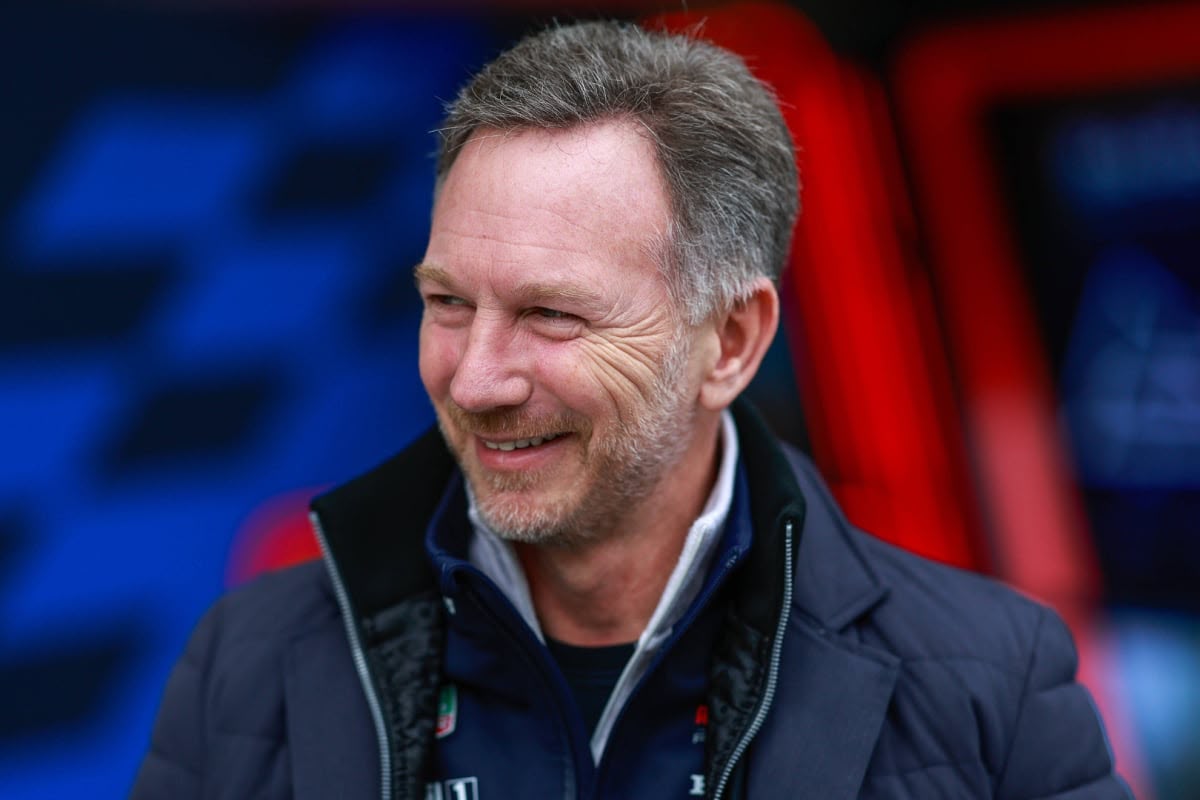
Another consequence of Mercedes’ withdrawal is the impact it may have on other interested parties. One individual who could benefit significantly from the situation is former Red Bull team principal Christian Horner. Reports suggest that Horner has been exploring opportunities to return to Formula 1 following his departure from Red Bull and has shown interest in obtaining a stake linked to Alpine. With Mercedes no longer competing directly for the same investment opportunity, Horner’s path toward involvement with the team may now be considerably clearer.
Horner’s name has remained prominent within Formula 1 discussions despite his absence from the paddock. Widely regarded as one of the most successful team leaders in modern Formula 1 history, he guided Red Bull through multiple championship-winning eras and helped transform the organization into a dominant force. Reports indicate that any future return would likely involve more than simply taking on a management role, with Horner believed to be seeking an ownership position that would give him long-term influence over a team’s direction.
Meanwhile, Alpine continues to navigate an important period in its development. The French manufacturer has undergone major structural changes in recent years, including the decision to discontinue its works engine program and switch to Mercedes power units. The move marked the end of Renault’s long-standing role as an engine supplier in Formula 1 and signaled a major shift in Alpine’s strategy as it seeks to improve competitiveness.
Under the guidance of senior figures such as Flavio Briatore, Alpine has focused on rebuilding its operations and attracting investment capable of supporting future growth. Briatore has repeatedly emphasized the importance of strengthening the team’s competitive foundations and bringing experienced leadership into the organization. As a result, any future ownership changes or investment partnerships will likely be assessed based on their ability to contribute to Alpine’s long-term ambitions.
The situation remains fluid because Renault still maintains significant influence over the sale process. Reports suggest that the French manufacturer retains rights regarding approval of potential buyers for the minority stake, at least for the immediate future. This means that even though Mercedes has stepped away from negotiations, any alternative investor would still need to satisfy both the existing shareholders and Renault’s broader strategic objectives.
For Mercedes, the setback does not affect its status as one of Formula 1’s leading teams, but it does represent a missed opportunity to expand its presence beyond traditional racing operations. The company remains heavily invested in the sport and continues to pursue success on the track, yet the failed Alpine negotiations highlight the increasingly complex financial landscape surrounding Formula 1 ownership.
As Formula 1 enters a new era characterized by growing commercial value and increased investor interest, ownership battles and strategic partnerships are becoming just as significant as developments on the racetrack. Mercedes’ decision to walk away from the Alpine stake discussions illustrates how difficult it can be to balance ambition with financial discipline, even for one of the sport’s most powerful organizations.
While the final outcome regarding Alpine’s minority stake remains uncertain, Mercedes’ withdrawal has undoubtedly changed the dynamics of the situation. The development has opened opportunities for other interested investors and intensified speculation about future leadership changes within Formula 1. Whether Christian Horner or another bidder eventually secures involvement with Alpine remains to be seen, but one thing is clear: Mercedes has missed out on a potentially influential position in one of Formula 1’s most closely watched investment stories.