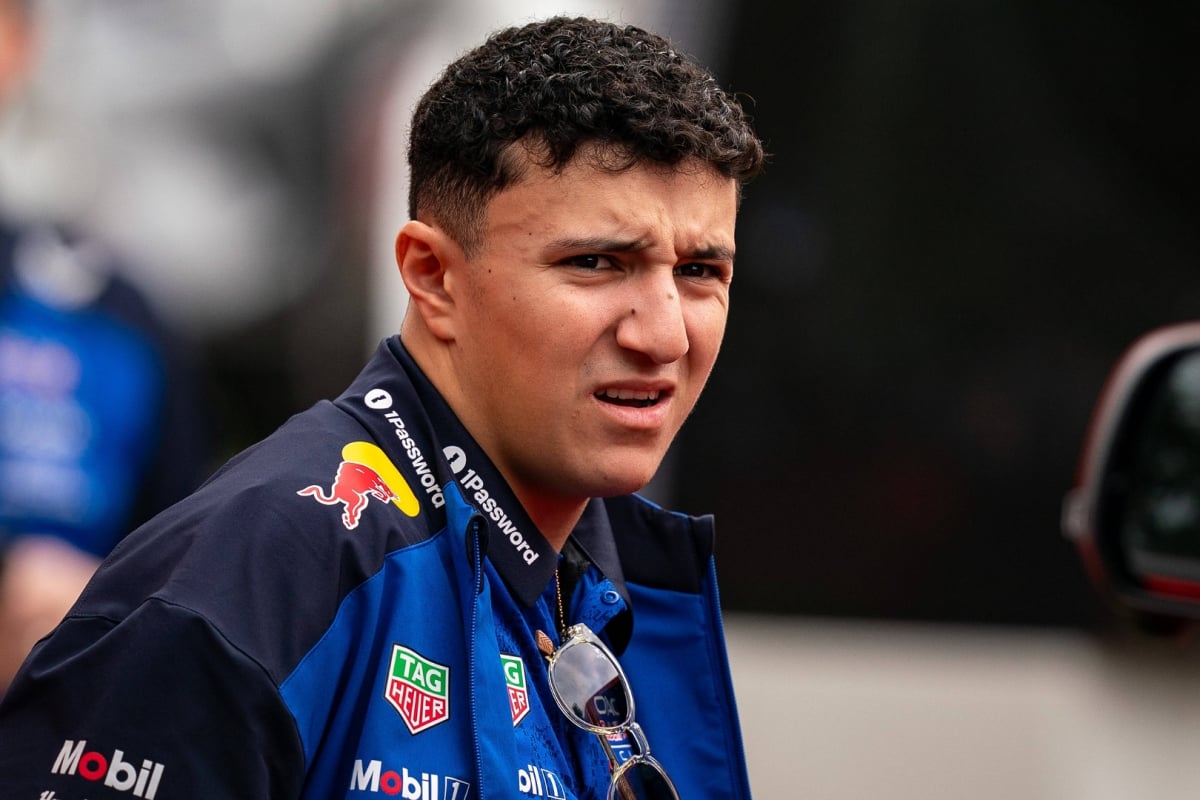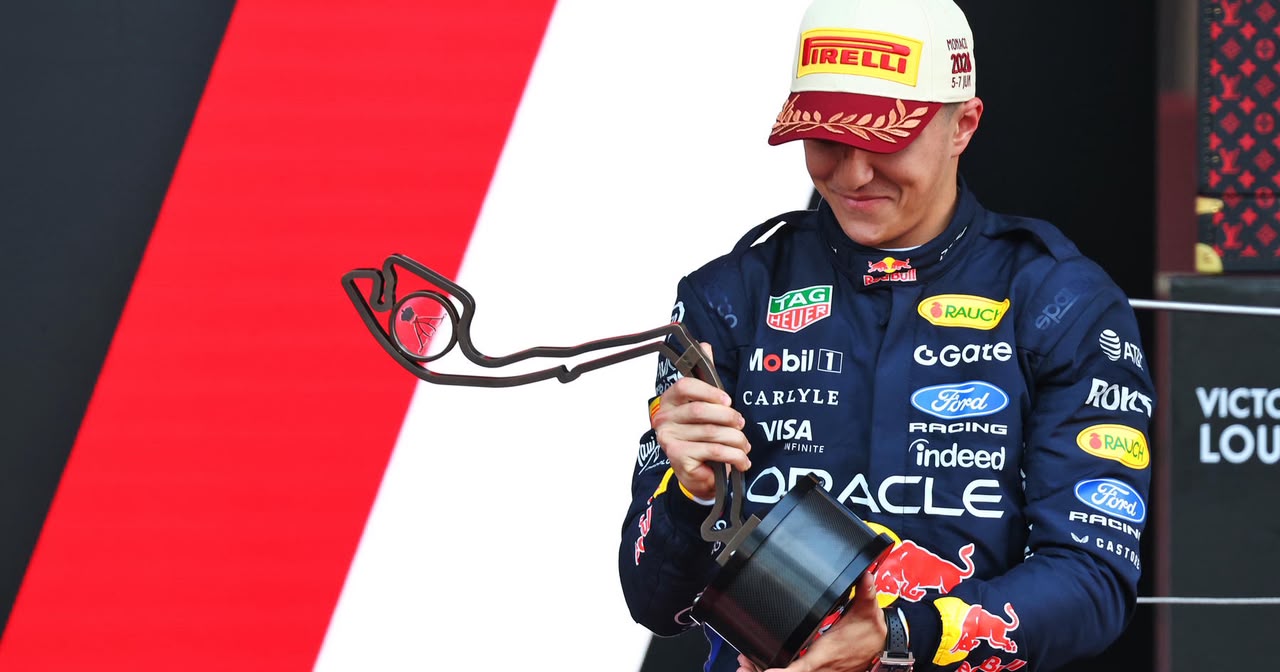

The dramatic events of the Monaco Grand Prix placed Isack Hadjar at the center of intense scrutiny, as his hard-earned podium finish initially appeared to be hanging by a thread following a post-race investigation by Formula One’s governing body, the FIA. The young Red Bull driver had delivered an exceptional performance on the tight and unforgiving streets of Monte Carlo, but the celebrations that followed were overshadowed by uncertainty as officials launched a detailed review into actions taken during a critical moment in the race.
Hadjar, one of the sport’s rising stars, had already endured a turbulent weekend leading up to race day. His challenges began early when he suffered a crash during the first practice session, a setback that disrupted his preparation and forced him to rebuild confidence under pressure. Despite this difficult start, he showed remarkable resilience, gradually regaining form and delivering a competitive qualifying performance that set the stage for a strong race.
When the Grand Prix got underway, Hadjar demonstrated composure and racecraft beyond his years. Navigating Monaco’s narrow circuit—where overtaking opportunities are scarce and mistakes are heavily punished—he managed to stay in contention among the frontrunners. However, the race itself was anything but straightforward. A series of incidents, including a crash that caused significant track damage, led to a red flag interruption that temporarily halted proceedings and reshuffled strategies across the grid.
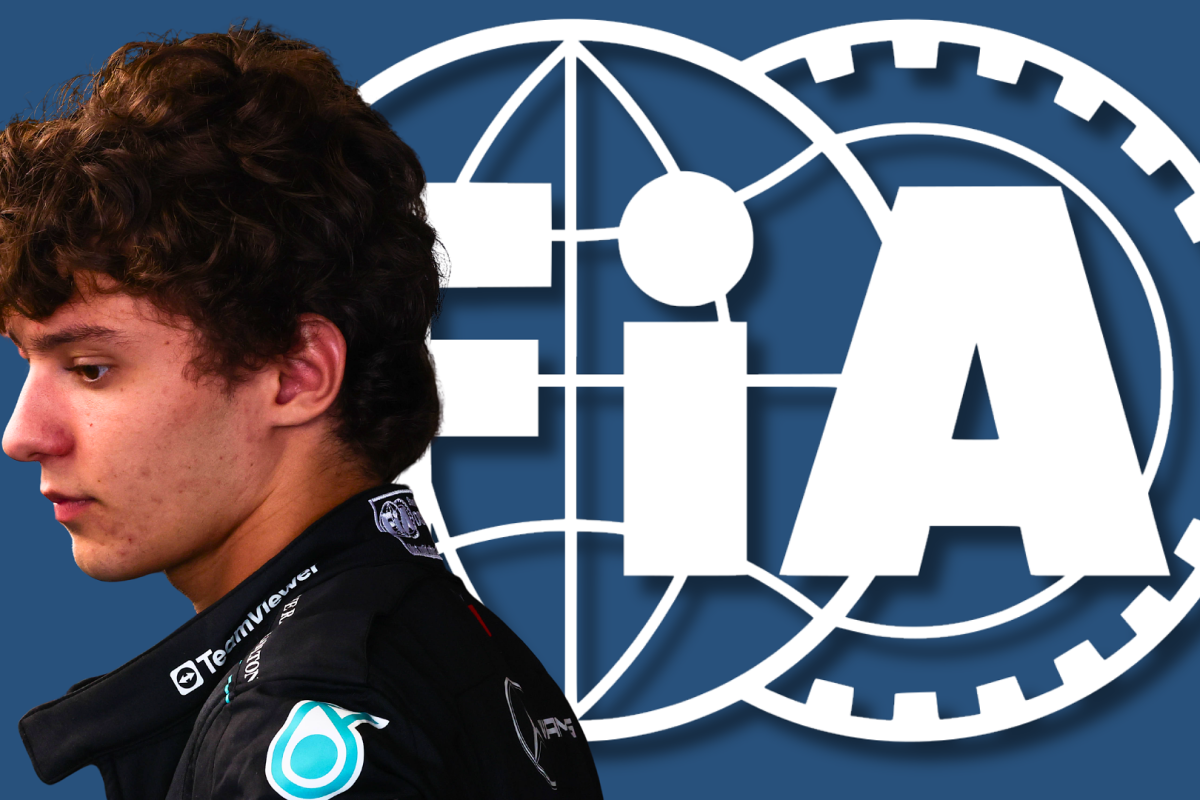
It was during this red flag period that the seeds of controversy were sown. Red Bull mechanics were reported to have worked on Hadjar’s car while the race was suspended, raising questions about whether the team had breached regulations governing what can and cannot be done under such conditions. The FIA took notice, and soon after the race concluded, an official investigation was announced to determine whether any rules had been violated.
For Hadjar, who had crossed the finish line in third place, the situation created a tense waiting period. Instead of immediately celebrating what would be a significant milestone in his Formula One career, he was left in limbo, unsure whether his result would stand. Such post-race investigations are not uncommon in Formula One, but they often carry serious consequences, including time penalties or disqualification, which could have stripped him of his podium.
Despite the looming uncertainty, Hadjar’s performance itself remained widely praised. Throughout the race, he had battled not only fierce competition but also technical challenges, including issues with his car’s power unit that made handling especially difficult on Monaco’s demanding layout. Managing these problems over the course of the race required both skill and mental fortitude, and his ability to maintain pace under such conditions highlighted his growing maturity as a driver.
As the investigation unfolded, Red Bull maintained that they had acted within the rules. Team representatives explained that any work carried out on the car during the red flag period was done under the direction and guidance of race officials. According to their account, there had been some confusion regarding what actions were permitted, but they insisted that they complied fully with the instructions given at the time.
Eventually, after careful review, the FIA stewards reached their verdict. Crucially, they determined that no rules had been broken, and no further action would be taken against Hadjar or his team. This decision meant that his third-place finish was officially confirmed, allowing him to retain the podium result he had fought so hard to achieve.
The resolution of the investigation brought a sense of relief not only to Hadjar but also to the Red Bull team. What could have turned into a bitter disappointment instead became a moment of validation for their efforts under pressure. For Hadjar, in particular, the confirmation of his podium marked an important milestone in his young career, reinforcing his status as one of the most promising talents on the Formula One grid.
Reflecting on the race, Hadjar described it as one of the toughest experiences of his career. The combination of early setbacks, in-race technical difficulties, and post-race uncertainty made the achievement all the more meaningful. His ability to persevere through adversity and deliver a strong result underscored the qualities that have made him a standout driver in the highly competitive world of Formula One.
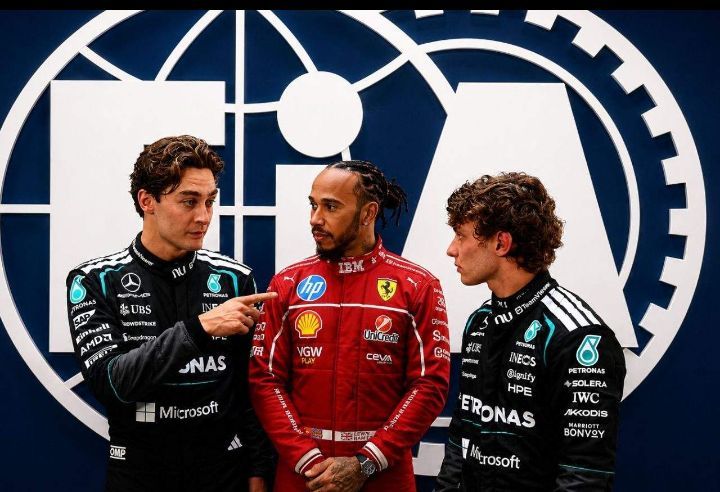
The Monaco Grand Prix itself proved to be a chaotic and unpredictable event, with multiple incidents, penalties, and strategic twists shaping the final outcome. While race winner Kimi Antonelli and second-place finisher Lewis Hamilton captured much of the spotlight, Hadjar’s story added another compelling layer to the narrative of the weekend.
In the end, what began as a moment of doubt transformed into a celebration of resilience and determination. Hadjar’s podium finish, once under threat, ultimately stood as a testament to both his driving ability and the team’s adherence to the rules. The episode also served as a reminder of the complexities of modern Formula One, where split-second decisions and regulatory nuances can have significant implications long after the checkered flag has fallen.
As the season progresses, this experience could prove to be a defining chapter in Hadjar’s development. Overcoming such challenges not only builds confidence but also prepares drivers for the intense scrutiny and pressure that come with competing at the highest level of motorsport. With his Monaco podium now secured, Hadjar can look ahead with renewed momentum, knowing he has already demonstrated the capability to succeed under some of the most demanding circumstances Formula One has to offer.