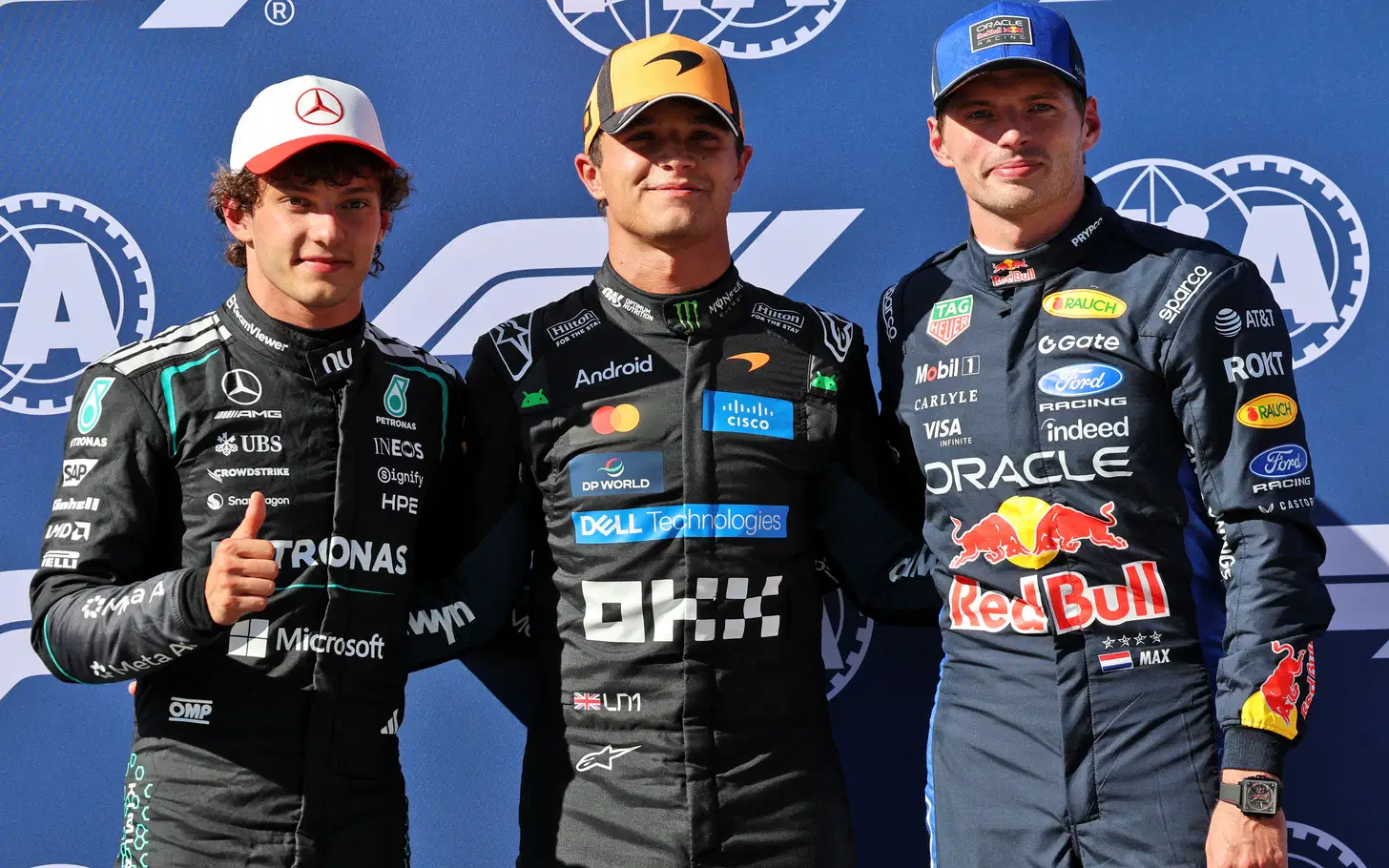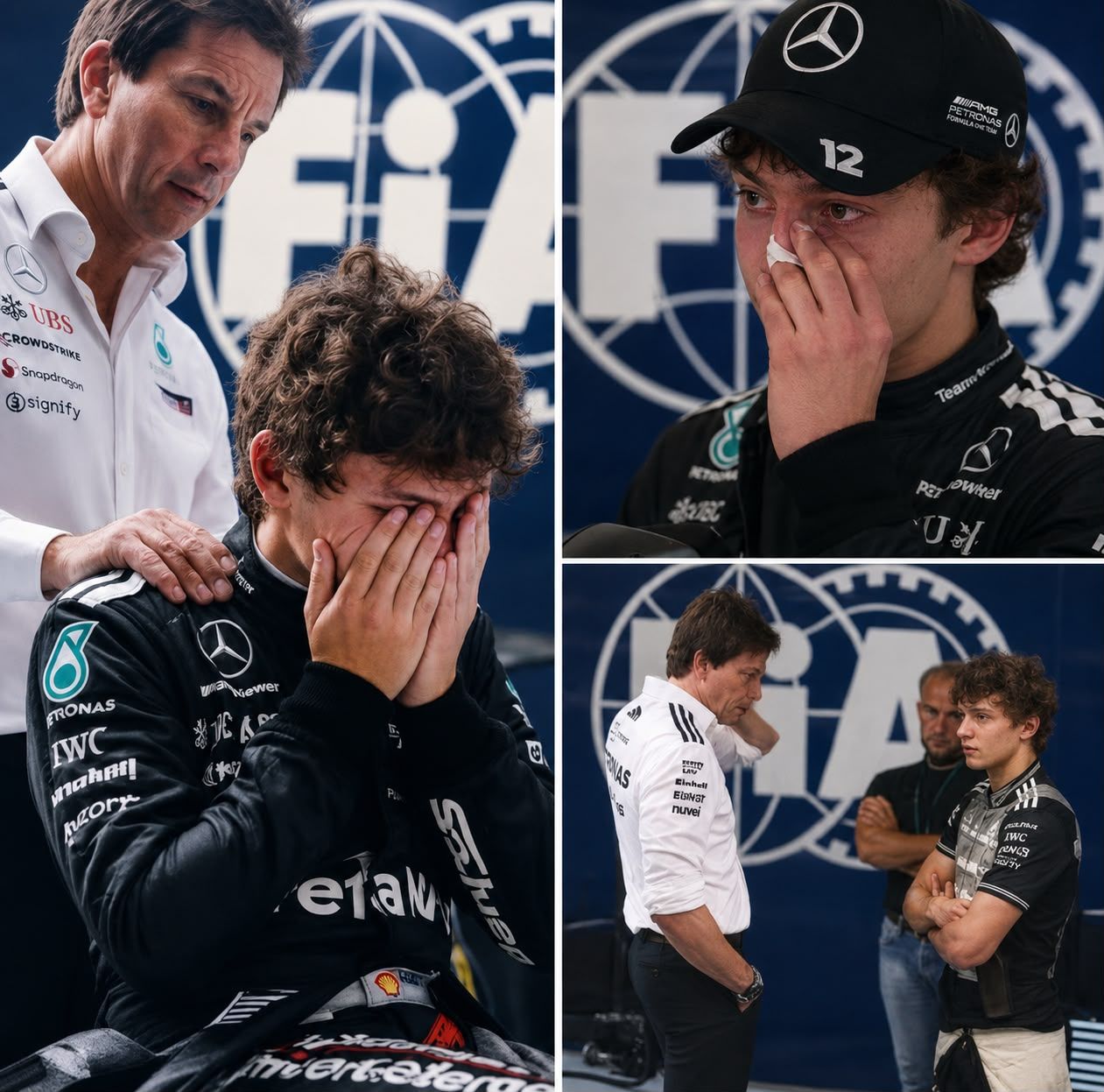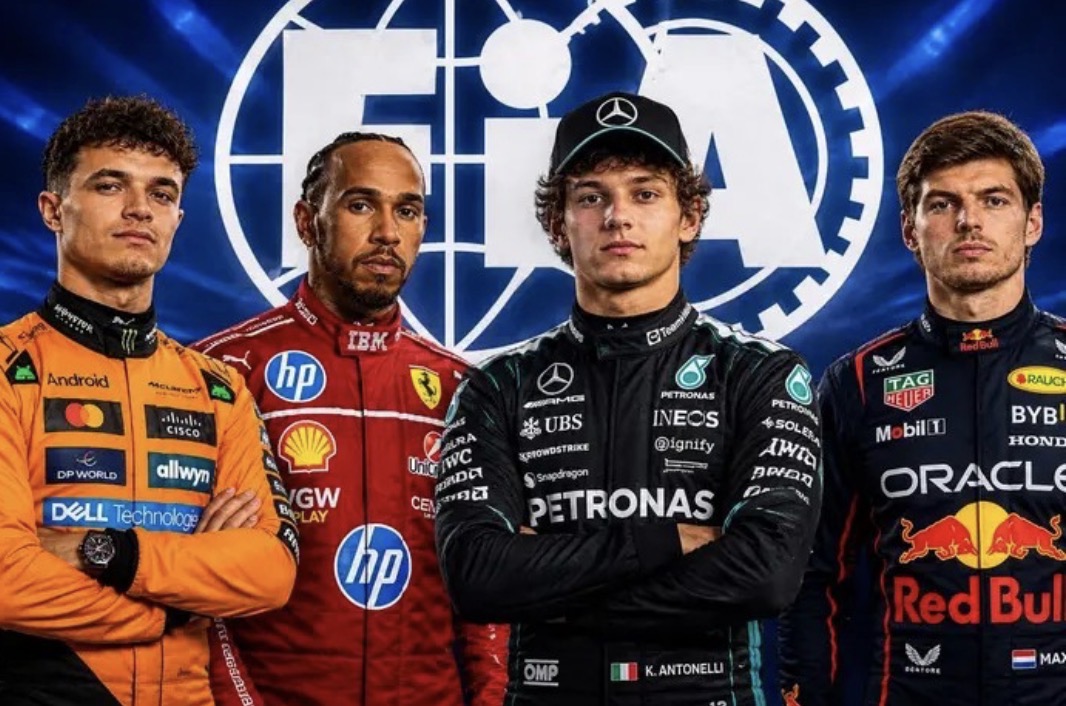
The final classification of the Monaco Grand Prix has been altered once again after Alpine successfully appealed a controversial decision involving Pierre Gasly. The FIA announced the outcome following a review hearing on Friday morning, leading to another significant change in the race results and the podium order.
The Monaco Grand Prix had already become one of the most debated events of the 2026 Formula 1 season due to a number of pit-lane speeding incidents that occurred during the race weekend. Race officials recorded six separate speeding violations involving five different drivers, with the penalties having a major impact on the final standings after the chequered flag.
Among those affected most severely was Alpine driver Pierre Gasly. The Frenchman delivered an outstanding performance around the tight and demanding streets of Monte Carlo and initially appeared to have secured a podium finish. Gasly crossed the finish line in third place after a strong and consistent race, giving Alpine what seemed to be one of its best results of the season.
However, celebrations inside the Alpine garage were short-lived. Following a review of pit-lane incidents during the race, stewards handed Gasly two separate five-second time penalties for exceeding the speed limit while passing through the pit lane. The combined ten-second punishment dramatically altered the final classification.
As a result of the penalties, Gasly dropped from third place to seventh in the official results. The setback not only cost him a podium finish but also deprived him of a substantial number of championship points. Understandably disappointed, Gasly admitted after the race that he was devastated to see such a strong result taken away after the event had concluded.
Alpine quickly decided to challenge the ruling. The team believed there were valid reasons for the penalties to be reviewed and submitted an appeal to the FIA. Team representatives argued that important evidence had not been fully considered during the original decision-making process and requested a fresh examination of the incidents.
The FIA agreed to hold a hearing to review the matter. During the session, officials assessed additional evidence and listened to submissions from Alpine and other relevant parties. After evaluating the information presented, the governing body ruled in Alpine’s favour and overturned the penalties that had been applied to Gasly.
The successful appeal immediately triggered another revision of the Monaco Grand Prix classification. Gasly was restored to the position he had earned on track, returning him to the podium and reshuffling the final race standings once again.
The latest development has sparked intense discussion throughout the Formula 1 paddock. Teams, drivers and fans have debated both the original penalties and the decision to overturn them. Many observers have questioned how such significant changes could occur days after the race, while others have praised the FIA for revisiting the case when new evidence became available.
The controversy has added another chapter to what was already an eventful Monaco Grand Prix. As one of Formula 1’s most iconic and prestigious races, any alteration to the final result naturally attracts widespread attention. The repeated changes to the classification have only increased interest in the race and the FIA’s decision-making process.
For Alpine and Gasly, the appeal outcome represents a major boost. What initially felt like a heartbreaking loss has now turned into a rewarding result, with the team recovering valuable championship points and securing a podium finish that appeared lost just days earlier.
The Monaco Grand Prix will now be remembered not only for the racing action on the famous streets of Monte Carlo but also for the extraordinary sequence of investigations, penalties, appeals and revised results that followed. The episode serves as another reminder that in Formula 1, the story is not always finished when the chequered flag falls, as crucial decisions can continue to shape the outcome long after the race has ended.