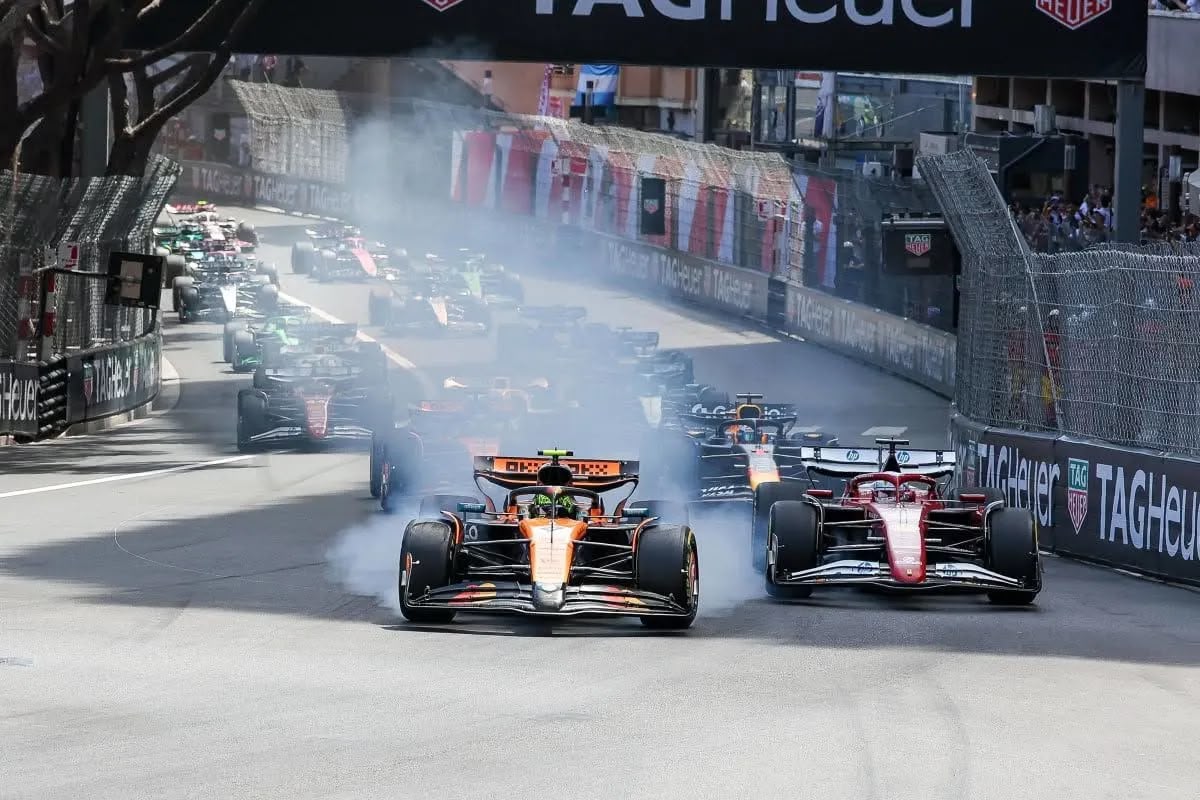

The final classification of the 2026 Monaco Grand Prix became the center of major controversy after the FIA confirmed that an official review process would take place, raising the possibility that the race results could be altered days after the chequered flag. What initially appeared to be a settled outcome quickly turned into one of the most debated post-race situations of the Formula 1 season, highlighting both the complexity of modern race officiating and the potential consequences of technical errors.
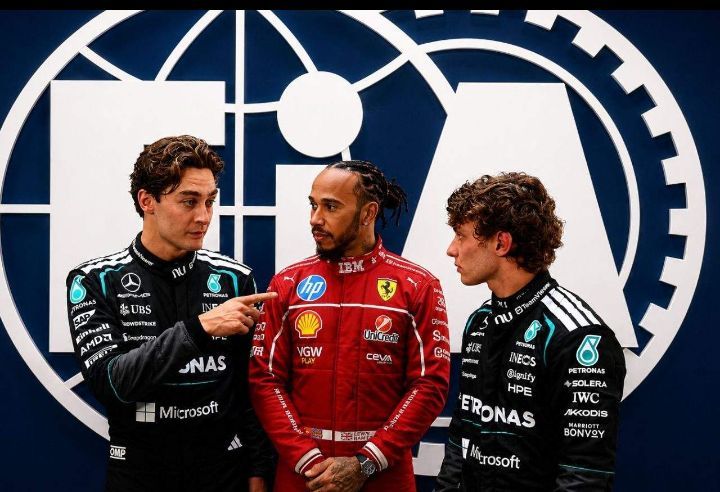
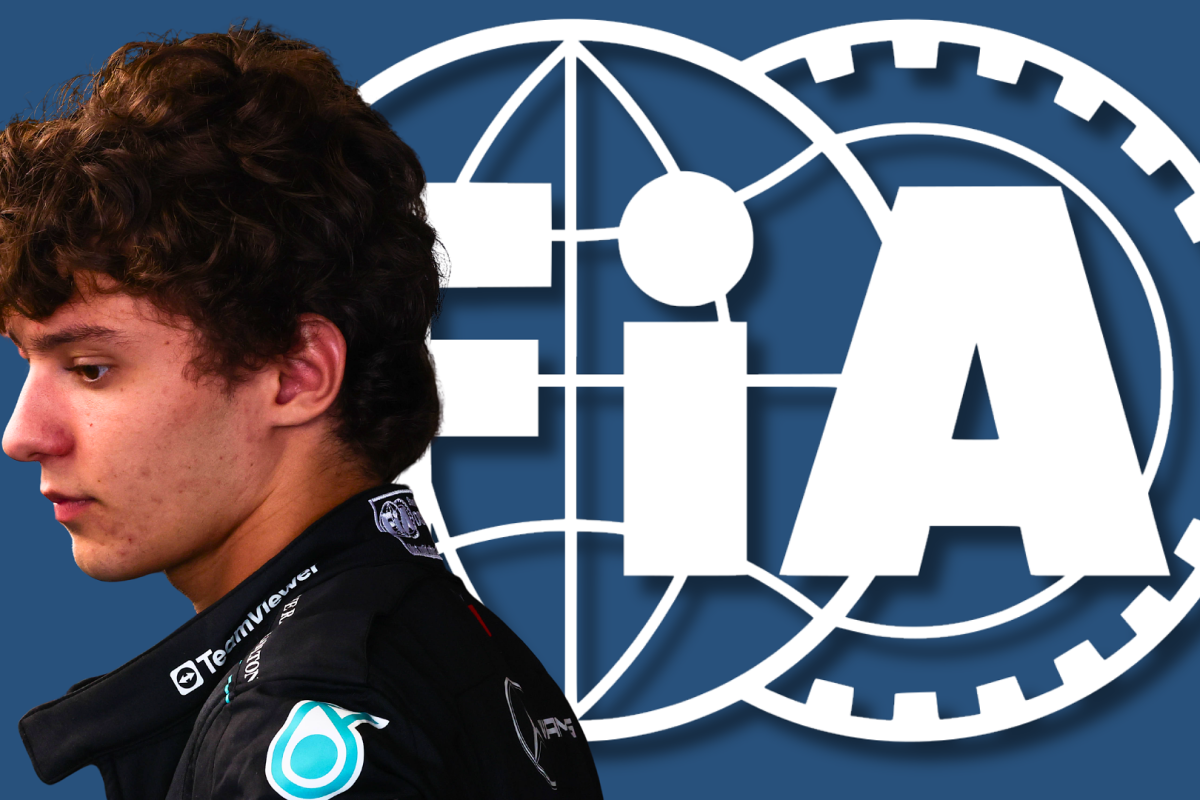
The Monaco Grand Prix itself had already delivered plenty of drama. The race was won convincingly by Mercedes’ young star Kimi Antonelli, who continued his remarkable run of form with another dominant performance. Behind him, Lewis Hamilton secured second place, while the battle for third proved to be one of the most contentious aspects of the race weekend.
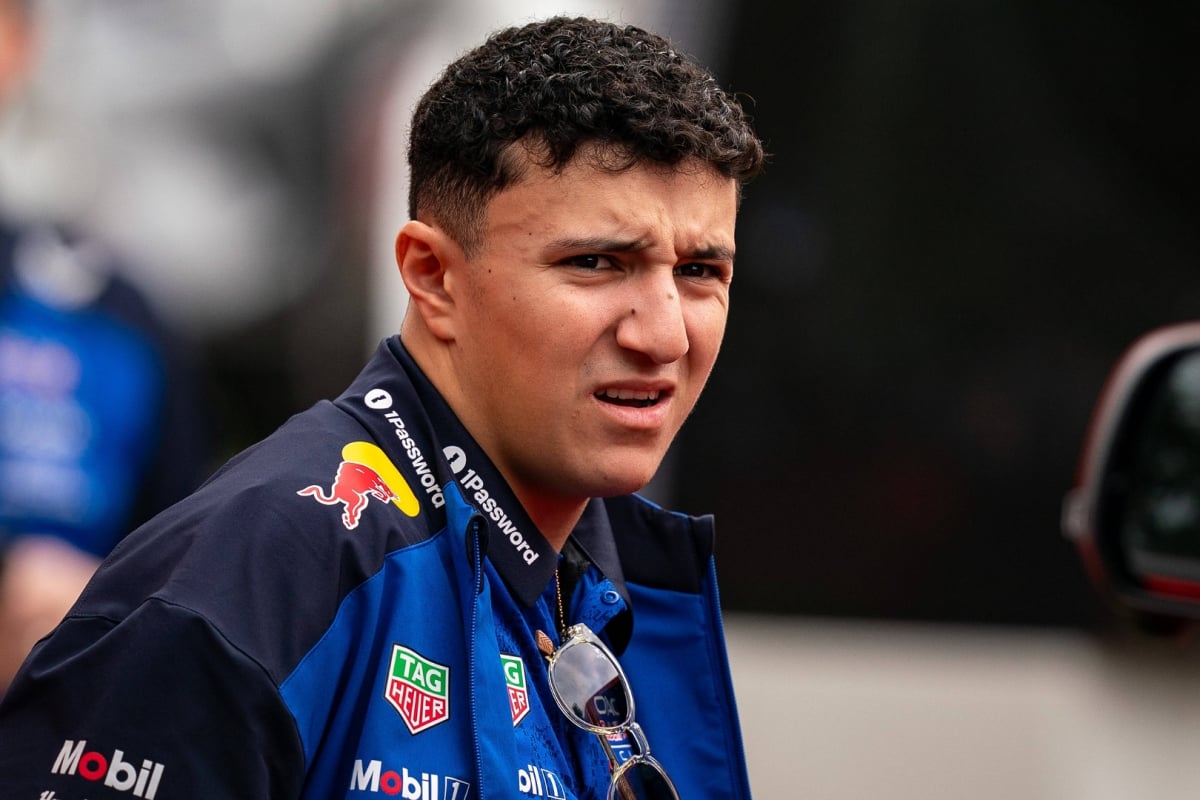
Initially, Red Bull’s Isack Hadjar was classified in third position after the race, celebrating what appeared to be a well-earned podium finish. However, this result came only after Alpine driver Pierre Gasly had been penalized during the race for allegedly exceeding the pit lane speed limit. Gasly received two separate five-second penalties, which dropped him from a podium position down to seventh place in the final standings at the time.
The penalties imposed on Gasly quickly became a major talking point. Alpine, convinced that something was not quite right with the decision, opted to trigger the FIA’s “Right of Review” mechanism. This process allows teams to request a reassessment of a ruling if they can provide new, significant, and relevant evidence that was not available when the original decision was made.
As part of this review, the FIA scheduled an official hearing to examine the case in detail. The hearing marked a crucial moment, as it opened the door for the Monaco Grand Prix results to be revised even after the race weekend had concluded. This alone demonstrated how modern Formula 1 regulations provide teams with avenues to challenge decisions, but also how such challenges can create uncertainty around final race outcomes.
The turning point came when Alpine presented new data that questioned the validity of the penalties. Investigations revealed that the issue was not with Gasly’s driving, but rather with the measurement system used to calculate pit lane speeds. A discrepancy in the pit lane distance—reportedly as small as 77 centimeters—had led to incorrect speed calculations.
Because Formula 1 relies on extremely precise timing and measurement systems, even such a small error had significant consequences. The incorrect data made it appear as though Gasly had exceeded the speed limit when, in reality, he had remained within the legal threshold. This discovery fundamentally undermined the basis on which the penalties had been issued.
Following the review, the FIA accepted that the penalties given to Gasly were based on flawed information. As a result, the stewards decided to overturn both time penalties. This decision reinstated Gasly to his original finishing position of third place, effectively restoring his podium finish.
The revised outcome had a direct impact on several other drivers. Most notably, Isack Hadjar, who had celebrated a podium result, was demoted to fourth place. Other drivers further down the order were also affected by the reshuffling of positions, although the extent of the changes varied depending on individual race circumstances.
However, one of the most controversial aspects of the decision was that only Gasly’s result was corrected. Several other drivers had also received penalties related to pit lane speeding during the race, including notable names such as George Russell and Oscar Piastri. Despite the same underlying issue affecting their penalties, those results were not revised.
The reason for this discrepancy lies in the procedural rules governing FIA reviews. Only Alpine submitted a formal request for a review within the required time frame. As a result, the FIA was only able to reconsider Gasly’s penalties. Other teams did not lodge appeals in time, meaning their penalties remained in place—even if they may have been influenced by the same measurement error.
This outcome sparked frustration among drivers and teams. Some argued that it was unfair for only one competitor to benefit from a correction when the root cause affected multiple participants. Others pointed out that the rules are clear: without a formal appeal, the stewards cannot revisit a decision.
The controversy has reignited broader discussions about consistency and fairness in Formula 1 officiating. It also raised questions about the reliability of technical systems that play a crucial role in enforcing race regulations. In a sport where outcomes are often decided by fractions of a second, even the smallest inaccuracies can have major implications.
Additionally, the incident highlighted the importance of teams acting quickly and strategically when disputes arise. Alpine’s swift decision to request a review ultimately proved decisive, allowing them to recover a podium finish that would otherwise have been lost. Meanwhile, other teams were left to reflect on missed opportunities to challenge their own penalties.
In the end, the Monaco Grand Prix result did indeed change—but only partially. Gasly’s reinstatement reshaped the podium and altered the narrative of the race, yet it also left lingering questions about fairness and procedural limitations. The episode serves as a reminder that in Formula 1, the story does not always end at the chequered flag. Instead, decisions made in the stewards’ room can sometimes be just as influential as those made on the track.
As the season continues, the fallout from Monaco is likely to remain a topic of debate, with teams, drivers, and fans all reflecting on what this unprecedented situation means for the sport moving forward.