The Formula 1 paddock has once again been drawn into controversy after leading teams Red Bull and McLaren decided to take formal action through the FIA following a highly debated decision that has generated widespread discussion throughout the sport. While Ferrari continues to pursue an aggressive development strategy for the remainder of the season, attention has shifted toward regulatory matters and the growing tension between several top teams.
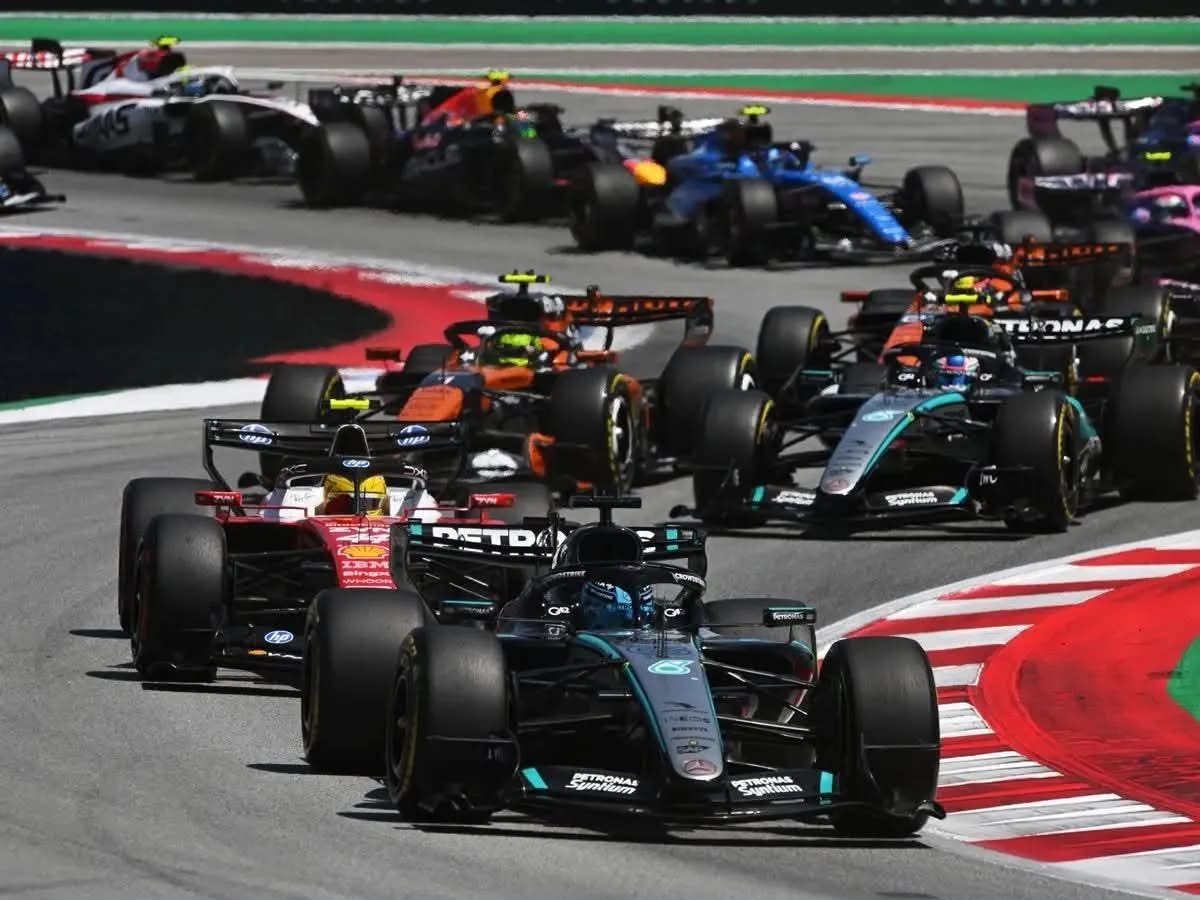
The latest dispute originates from the aftermath of the Monaco Grand Prix, where a significant FIA ruling altered the final outcome of the race. The decision centered on Alpine driver Pierre Gasly, who had initially lost a podium finish due to a penalty. However, after a review process conducted by race officials, the penalty was overturned, resulting in Gasly being reinstated to a podium position.
The reversal immediately sparked reactions from rival teams. Both Red Bull and McLaren believed the decision raised important questions regarding consistency and fairness in the application of sporting regulations. As a result, the two teams chose to initiate an appeal process through the FIA, hoping to gain further clarification and potentially challenge aspects of the ruling. Reports indicate that both organizations have formally submitted their concerns and are awaiting further developments from the governing body.
The controversy has become one of the most discussed topics in Formula 1 because the revised classification directly impacted multiple drivers and teams. Gasly’s restored result altered the finishing order and redistributed valuable championship points. Teams affected by the changes argued that such decisions can have substantial consequences in both the Drivers’ Championship and Constructors’ Championship battles.
For Red Bull, the appeal represents another chapter in a season filled with intense competition both on and off the track. The Milton Keynes-based team has frequently found itself involved in technical and regulatory debates over recent years. Whether discussing aerodynamic designs, flexible bodywork, or ride-height systems, Red Bull has consistently sought greater transparency from the FIA regarding the interpretation of regulations.
McLaren has also emerged as a key figure in several recent technical discussions. The Woking-based outfit has enjoyed impressive performances and has often been the subject of scrutiny from rival teams seeking explanations for its competitive pace. Previous disputes involving rear-wing flexibility and tyre management techniques have prompted FIA investigations, although McLaren has repeatedly maintained that its cars fully comply with all regulations. In multiple cases, FIA inspections found no evidence of wrongdoing.
The current appeal, however, is not directly related to car design or technical legality. Instead, it concerns sporting governance and how penalties are administered and subsequently reviewed. Teams are eager to ensure that future rulings remain consistent and predictable, particularly when championship points are at stake.
At the same time, Ferrari continues to attract attention for reasons unrelated to the Monaco appeal. The Italian team is reportedly pursuing an aggressive upgrade program as it looks to strengthen its position against rivals. Ferrari engineers have been working intensively to unlock additional performance from the car while preparing for the challenges posed by upcoming races.
Recent reports suggest that confidential performance assessments conducted under FIA monitoring have generated considerable debate throughout the paddock. The findings reportedly revealed surprising data regarding engine performance among the manufacturers, creating fresh discussions about competitive balance and development opportunities. The leaked information quickly became a talking point among teams, including Ferrari, Red Bull, Mercedes, and others.
Ferrari’s determination to maximize development has led some observers to speculate that the team could become a stronger contender as the season progresses. Team management remains focused on reducing the performance gap to championship rivals while maintaining compliance with all FIA regulations.
Meanwhile, the FIA finds itself under increasing pressure to manage disputes effectively while preserving confidence in the integrity of the championship. Formula 1’s governing body has faced numerous challenges in recent years, including debates over flexible wings, aerodynamic interpretations, technical directives, and race-control decisions. Each controversy highlights the complexity of modern Formula 1 regulations and the enormous stakes involved for teams competing at the highest level.
Many team principals have emphasized the importance of clear communication from the FIA. They argue that transparency helps reduce uncertainty and ensures that all competitors operate under the same understanding of the rules. The Monaco situation has reinforced calls for more detailed explanations whenever major post-race decisions are made.
For fans, the latest controversy demonstrates how Formula 1 extends far beyond what happens on the circuit. While races remain the centerpiece of the sport, regulatory decisions, technical interpretations, and legal appeals increasingly influence championship outcomes. The battle for success now takes place in engineering departments, meeting rooms, and FIA hearings just as much as it does on race day.
As the appeal process moves forward, attention will remain focused on how the FIA responds to the concerns raised by Red Bull and McLaren. Any outcome could have broader implications for future cases involving penalty reviews and result revisions. Teams across the grid will be watching closely, aware that precedents established today may affect future championship battles.
For now, the paddock remains divided. Some believe the FIA acted correctly in correcting what it viewed as an earlier mistake, while others argue that altering results after the event creates unnecessary uncertainty. Regardless of which side ultimately prevails, the situation has once again highlighted the fine margins and intense scrutiny that define modern Formula 1.
With Ferrari pushing ahead with development plans, Red Bull and McLaren pursuing regulatory clarification, and the FIA attempting to balance fairness with consistency, the championship continues to deliver drama away from the racetrack. As the season progresses, the outcome of these disputes could prove nearly as significant as the results achieved on race weekends themselves.