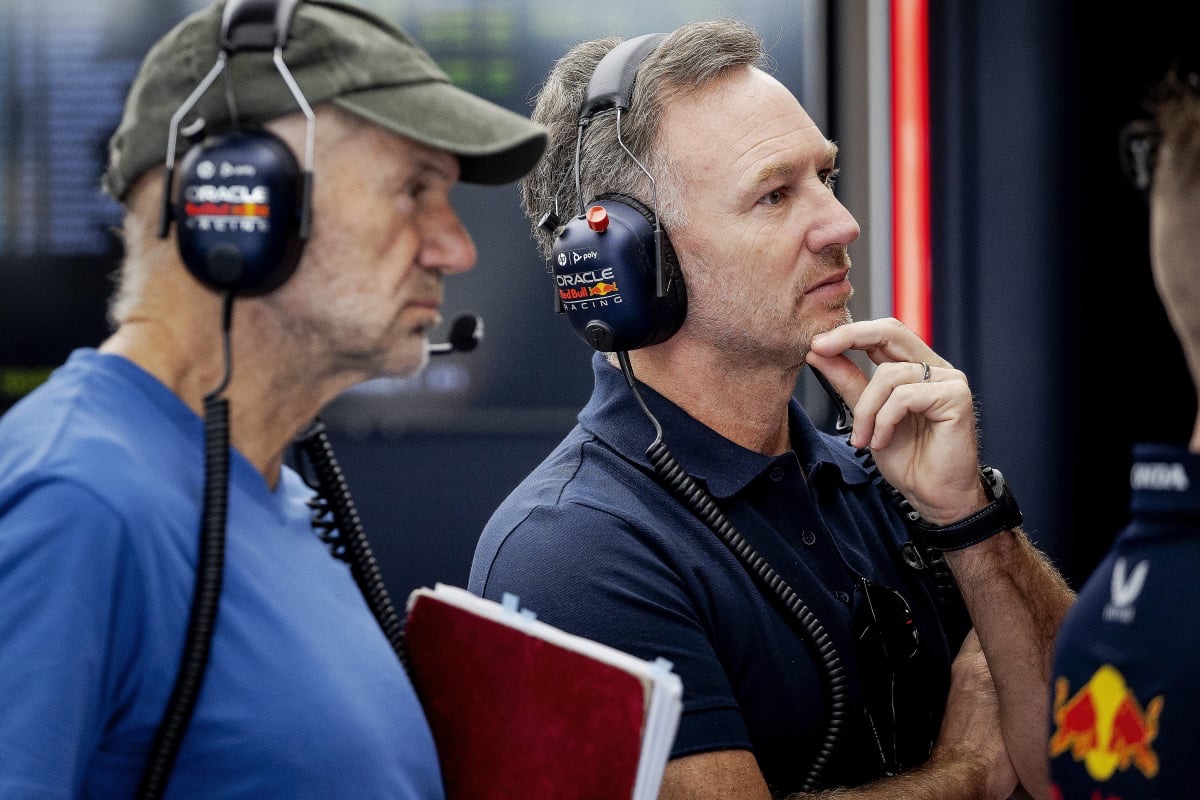
The aftermath of the Miami Grand Prix continues to generate headlines, with fresh developments involving key figures in Formula 1. Christian Horner has reportedly been encouraged to make a return to the sport, after receiving public backing from Mohammed Ben Sulayem. The FIA chief has made it clear that the door remains open for Horner to rejoin the paddock, despite his abrupt departure from Red Bull Racing following the British Grand Prix in 2025.
Horner, who played a central role in Red Bull’s rise to dominance over the years, has been absent from Formula 1 since his dismissal. However, recent comments from the sport’s governing body suggest that his time away may not be permanent. His leadership and experience are still highly regarded within the motorsport community, and there is growing speculation that a comeback could happen sooner rather than later. With tensions and narratives still unfolding after Miami, Horner’s potential return would only add further intrigue to an already dramatic season.
At the same time, attention has also turned to Adrian Newey, widely considered one of the greatest engineering minds in Formula 1 history. Although Newey has since moved on from Red Bull, his final contributions to the team are now beginning to show their true impact. The legendary designer left behind a project that is rapidly proving to be a game-changer on the grid.
Reports indicate that Newey’s last design for Red Bull has evolved into an exceptionally fast machine, outperforming rival cars and pushing the boundaries of what is currently possible in Formula 1. Even without his ongoing involvement, the technical foundation he established continues to deliver remarkable results. The car’s pace and efficiency have led many to describe it as being in a league of its own, reinforcing Newey’s reputation for innovation and excellence.
Interestingly, Newey’s current team, Aston Martin, is unable to take advantage of this particular breakthrough. Despite having one of the sport’s brightest minds now working within their ranks, they are not in a position to utilize the design concepts that are powering Red Bull’s latest success. This has created a fascinating contrast, where Newey’s past work is dominating the present, while his current team continues to build toward future competitiveness.
As the season progresses, these intertwined storylines—Horner’s possible return and Newey’s enduring influence—highlight the ever-evolving nature of Formula 1. Leadership, engineering brilliance, and timing all play crucial roles in shaping success, and both men remain central figures in that equation. With momentum building on and off the track, the coming races are likely to bring even more twists to an already compelling narrative.