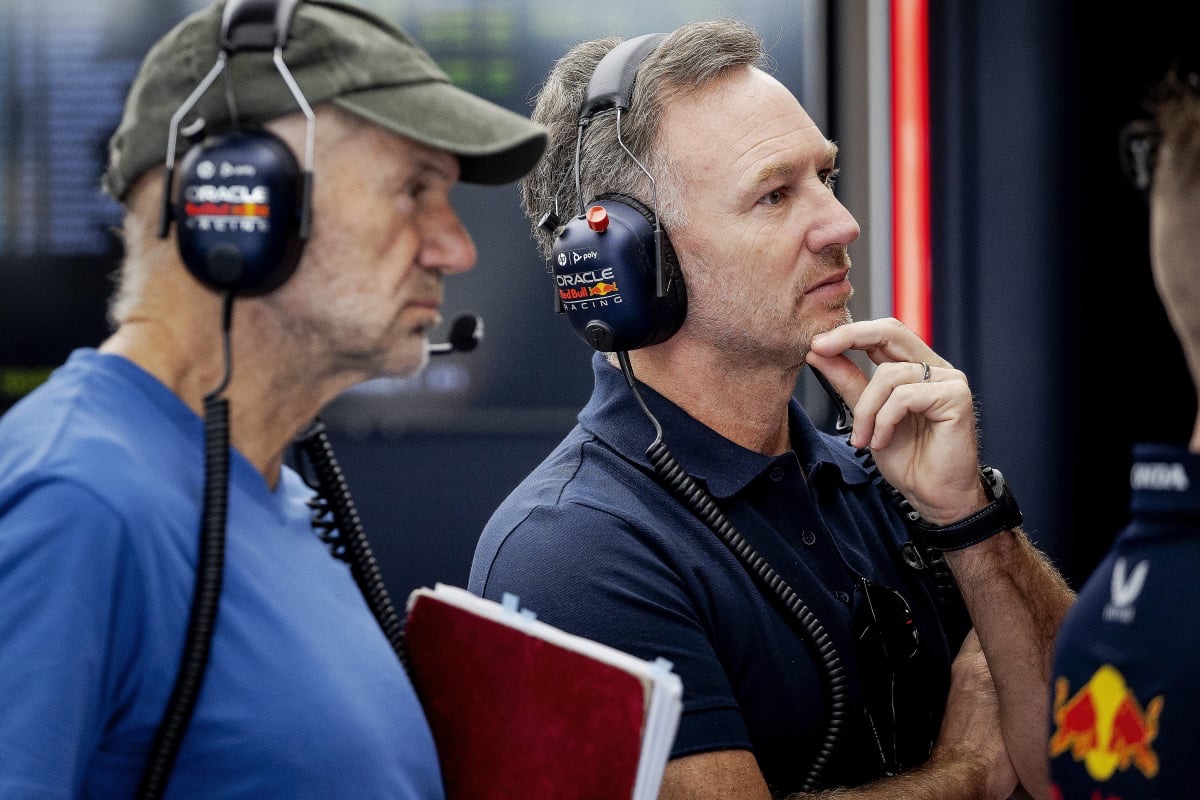
The possibility of Christian Horner making a return to Formula One has begun to gather serious momentum, with key figures in the sport openly expressing support for his comeback. After spending nearly a year away from the F1 paddock following his high-profile departure from Red Bull Racing in 2025, the experienced team boss now appears closer than ever to re-entering the sport. His absence has been widely felt across the grid, not only because of his achievements but also due to the leadership presence he brought during one of the most successful eras in modern Formula One history.
Horner’s exit from Red Bull marked the end of an extraordinary chapter. Over two decades, he transformed the team into a dominant force, overseeing multiple championship victories and helping to shape the careers of elite drivers. His tenure delivered eight Drivers’ Championships and six Constructors’ titles, firmly establishing his legacy as one of the most accomplished team principals in F1 history. Despite the circumstances surrounding his departure—which included internal tensions, performance challenges, and off-track controversies—his reputation within the sport remains largely intact.
Recent developments suggest that Horner’s return is not only possible but actively encouraged by influential figures. Notably, the FIA president has extended what can effectively be described as an open invitation for Horner to come back into Formula One. This gesture highlights the regard in which he is still held and underscores the belief that his experience and competitive mindset would be a valuable addition to the current grid.
At the same time, Horner’s potential comeback is unfolding against a backdrop of shifting dynamics within the sport. One of the most intriguing elements of this evolving narrative involves Adrian Newey, the legendary designer whose influence on Formula One car development is unparalleled. Although Newey has since moved on from Red Bull and taken up a leadership and technical role at Aston Martin F1 Team, his final contributions to his former team are still being realized. Reports indicate that Newey’s last design project for Red Bull is emerging as an exceptionally fast car—potentially the quickest on the current grid—serving as a parting gift that continues to shape the competitive landscape.
However, the relationship between Horner and Newey has added complexity to the situation. While both men were instrumental in Red Bull’s dominance, there have been suggestions of tension between them in recent times. Some reports have even claimed that Newey may have influenced or blocked certain opportunities for Horner, particularly regarding a potential move to Aston Martin. These developments have fueled speculation about whether the two could realistically reunite within the same organization or whether their future paths in Formula One will remain separate.
Meanwhile, Horner himself appears to be carefully evaluating his next move rather than rushing back into the sport. Although he is now eligible to return following the conclusion of contractual restrictions tied to his departure from Red Bull, he has shown a preference for waiting until the right opportunity arises. This measured approach aligns with reports that he is not merely seeking a traditional team principal role but is instead interested in positions that offer greater influence—potentially including ownership stakes within a team.
Several potential destinations have been linked to Horner. Among them are Alpine F1 Team and Aston Martin, both of which have been undergoing structural and leadership changes. The possibility of acquiring a stake in a team appears particularly appealing to Horner, as it would grant him long-term control and strategic influence beyond the responsibilities of a conventional managerial role. This ambition reflects a broader trend within Formula One, where senior figures increasingly seek ownership positions as a means of shaping the sport’s future.
The wider Formula One community has also weighed in on Horner’s potential return, with many voices expressing support. His leadership style—often described as assertive and competitive—has made him a central figure in some of the sport’s most intense rivalries. While this has occasionally drawn criticism, it has also contributed to the drama and excitement that define Formula One. As a result, there is a growing sense that his return would not only benefit a specific team but also enhance the overall spectacle of the championship.
At the same time, the situation surrounding Adrian Newey adds another layer of intrigue. Now deeply involved with Aston Martin as both a technical leader and shareholder, Newey is playing a key role in shaping that team’s long-term ambitions. However, there have been ongoing questions about whether his responsibilities—particularly those extending into leadership and management—are the best use of his unique talents. Some observers believe that Newey’s strengths lie primarily in engineering and design rather than in the broader demands of running a team. This perspective has led to speculation that Aston Martin could eventually seek a dedicated team principal, potentially reopening the door for figures like Horner.
Ultimately, the prospect of Christian Horner returning to Formula One represents more than just the comeback of a single individual. It reflects the evolving nature of the sport, where leadership, innovation, and strategic vision are becoming increasingly intertwined. With major regulatory changes, shifting team structures, and new competitive challenges on the horizon, experienced figures like Horner and Newey remain central to the narrative of Formula One’s future.
As things stand, Horner’s return seems less a question of “if” and more a matter of “when” and “where.” With support from the FIA, interest from multiple teams, and his own desire for a meaningful role, the stage appears set for his re-entry into the sport. Whether that return will involve collaboration or competition with Adrian Newey remains to be seen, but one thing is certain: if Horner does come back, it will mark one of the most significant developments in the Formula One paddock in recent years.