F1 Bahrain Grand Prix Faces Severe Weather Uncertainty as Malaysia Braces for Rain and Storms
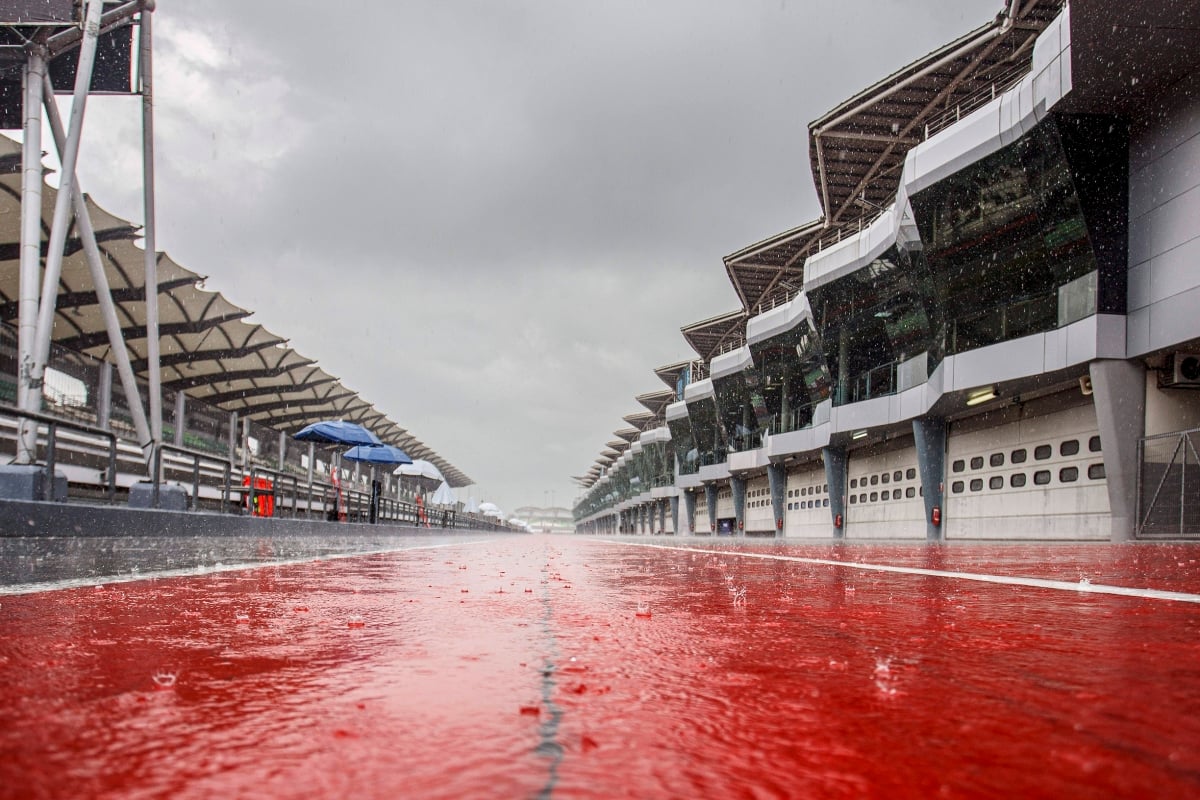
Formula 1 teams and drivers could be heading into an unusually difficult weekend as severe weather threatens to disrupt the 2026 Bahrain Grand Prix. Although the event continues to carry the Bahrain Grand Prix name, this year’s race will take place at the Sepang International Circuit in Malaysia, where forecasts are pointing toward heavy rain and a significant possibility of thunderstorms throughout the weekend.
The unusual location is the result of a major change to the 2026 Formula 1 calendar. The Bahrain Grand Prix was originally scheduled to take place in the Middle East, but the race was postponed earlier in the season because of the ongoing conflict in the region. With Formula 1 determined to preserve the event, Malaysia agreed to host the race at Sepang.
Consequently, F1 will return to Sepang for the first time since 2017, although the event will retain its official Bahrain Grand Prix identity. While the name remains associated with Bahrain, the environmental conditions awaiting the teams will be dramatically different.
Bahrain is known for its hot and predominantly dry climate, where significant rainfall is uncommon. Malaysia, on the other hand, is well known for its tropical weather, high humidity and frequent rainstorms. That contrast could become one of the biggest talking points of this year’s unusual Bahrain event.
Rain Could Dominate the Entire Weekend
Current weather expectations suggest that Formula 1 could experience a particularly wet weekend at Sepang. If the forecast remains accurate, drivers may have to deal with rain during practice, qualifying and potentially the race itself.
Friday’s opening day is already expected to present difficult conditions. Temperatures could reach approximately 33 degrees Celsius, but the possibility of rain is currently extremely high.
Forecasts indicate an 81 percent chance of rain on Friday, accompanied by a 19 percent possibility of thunderstorms. That creates the potential for interruptions during both Free Practice 1 and Free Practice 2.
The timing of any rainfall could become especially important. Teams are returning to a circuit that has not hosted a modern Formula 1 race for almost a decade, meaning every minute of dry running could be extremely valuable.
Instead of using Friday to gather straightforward information about the circuit and car performance, teams could find themselves attempting to collect data in constantly changing conditions.
Saturday Could Bring Even More Uncertainty
The situation is not expected to improve significantly on Saturday.
Forecasts currently put the likelihood of rain at around 69 percent, while the probability of thunderstorms rises substantially to approximately 41 percent. That could have a major impact because Saturday is scheduled to feature Free Practice 3 followed by qualifying.
Qualifying is particularly sensitive to changing weather because the drivers have only a limited amount of time to set competitive lap times. A sudden shower could completely alter track conditions, forcing teams to make rapid decisions about tyre selection, car configuration and strategy.
If thunderstorms arrive during the session, qualifying could potentially be interrupted or delayed, depending on the severity of the weather.
The conditions could also create a major challenge for drivers who are still becoming familiar with the Sepang circuit after such a long absence from the F1 calendar.
Sunday Does Not Look Any Drier
Those hoping that the weather would improve for race day may have to wait a little longer.
The current forecast indicates approximately a 90 percent chance of rain on Sunday, making race day the wettest-looking part of the weekend. There is also a 26 percent possibility of thunderstorms.
Such conditions could produce an entirely different type of Bahrain Grand Prix from the one Formula 1 would normally expect in the Middle East.
Instead of dealing with intense heat and a dry circuit, the teams could find themselves preparing for a race involving showers, standing water, reduced grip and rapidly changing track conditions.
Sepang has previously hosted wet Formula 1 races, so the possibility of rain is not entirely unfamiliar to the circuit. Nevertheless, the combination of modern F1 machinery and the current generation of power units could produce a very different challenge from previous visits.
Teams Face a Difficult Preparation Challenge
The weather threat is particularly significant because teams have limited recent data from Sepang.
Formula 1 has not raced at the Malaysian circuit since 2017. As a result, teams cannot simply rely on extensive recent race information when preparing their cars for the weekend.
The lack of current data means Friday’s practice sessions could have been extremely important even under normal circumstances. With rain potentially affecting both sessions, however, teams may struggle to gather the information they need.
McLaren senior director Randy Singh previously highlighted the importance of the team’s preparation ahead of its return to Sepang.
Singh explained that the long absence from the circuit creates an interesting challenge because there is limited recent information available for the current generation of Formula 1 cars.
McLaren has reportedly invested significant preparation time in its simulator, allowing Lando Norris and Oscar Piastri to familiarize themselves with the circuit before arriving in Malaysia.
However, simulator work cannot completely eliminate uncertainty. Track characteristics can change over time, while modern cars and tyres may behave differently from those used during previous races at Sepang.
The condition of the asphalt will also be an important factor.
Tyre Behaviour Could Become Crucial
One of the biggest questions for the teams will be how the current-generation tyres perform on the Sepang surface.
Teams need to understand how quickly the tyres warm up, how much grip they generate and how their performance changes as track conditions evolve.
Rain could make that process considerably more complicated.
If the circuit begins the day wet but gradually dries, teams may have to decide when to move between different tyre compounds. If another shower arrives after the track begins drying, those decisions could become even more complicated.
The wet weather could therefore create opportunities for teams that react quickly to changing conditions while putting additional pressure on engineers and drivers.
Overtaking and race strategy will also need to be assessed.
Singh indicated that McLaren’s Friday programme would include examining how the cars behave around the circuit, understanding tyre performance and studying overtaking opportunities under the current regulations and power-unit configuration.
However, rain could prevent teams from completing that programme in the manner originally planned.
Sepang Return Creates a Unique F1 Weekend
Formula 1’s return to Malaysia was already unusual because the country is effectively stepping in to host an event that was originally scheduled for Bahrain.
The possibility of heavy rain adds another layer of complexity.
The original Bahrain event would normally be associated with a hot and dry environment. Instead, drivers could arrive at Sepang to encounter tropical humidity, intense rainfall and thunderstorms.
That makes this year’s event particularly different from what fans would normally associate with the Bahrain Grand Prix.
The weather could also influence how teams approach the weekend from the opening practice session. Rather than simply following a conventional programme, engineers may have to prioritize the information that is most difficult to obtain if rain interrupts running.
For example, if Friday’s sessions are heavily affected by rainfall, teams could enter Saturday with less dry-weather data than expected. That would place additional importance on the limited dry periods available before qualifying.
Drivers Could Face Constantly Changing Conditions
From the drivers’ perspective, a wet Sepang weekend could demand considerable concentration.
Rain can dramatically alter the braking zones, cornering speeds and grip levels around a circuit. Drivers must constantly assess how much grip is available while adapting to changes in visibility and tyre performance.
Thunderstorms can make the situation even more complicated.
If rain intensity changes repeatedly, one part of the circuit could become significantly wetter than another. Drivers may therefore encounter different grip levels from corner to corner.
The challenge becomes even greater at a circuit as fast and demanding as Sepang.
The long straights and technical corners require drivers to find a balance between aerodynamic performance, straight-line speed and tyre management. Wet conditions can alter that balance considerably.
A Potentially Historic Bahrain Grand Prix
If the forecast remains accurate, the 2026 Bahrain Grand Prix could become one of the most unusual events on the Formula 1 calendar.
The race is already historic because it has been relocated from its traditional venue to Malaysia. Now, the possibility of rain and thunderstorms could make the event even more unpredictable.
Friday is currently expected to bring an 81 percent chance of rain and temperatures reaching approximately 33°C. Saturday carries a 69 percent chance of rain and a 41 percent possibility of thunderstorms, while Sunday currently has the highest rain probability at 90 percent, along with a 26 percent chance of thunderstorms.
Those numbers could change as the weekend approaches, but the current outlook suggests that teams should prepare for a wide range of conditions.
The biggest challenge may ultimately be making the most of whatever track time is available.
For teams returning to Sepang after nearly nine years away, every lap could provide valuable information. But if rain repeatedly interrupts sessions, engineers may have to rely more heavily on simulations, historical data and information gathered from short periods of running.
The unusual circumstances surrounding the event mean that preparation, adaptability and weather monitoring could become central parts of the weekend.
Formula 1 fans could therefore be treated to a very different version of the Bahrain Grand Prix when the lights go out at Sepang.
Rather than the dry desert environment traditionally associated with Bahrain, the championship could be heading into a tropical Malaysian storm, with rain potentially affecting every major stage of the weekend—from Friday practice through Saturday qualifying and into Sunday’s race.
The forecast will continue to develop, but one thing is already clear: teams and drivers may need to be ready for wet tyres, changing track conditions and a weekend unlike any Bahrain Grand Prix seen before.