Red Bull Racing has acknowledged that it remains uncertain about whether it can completely resolve one of Max Verstappen’s most persistent complaints about the team’s current Formula 1 car. The admission has raised fresh questions about the team’s ability to address its performance shortcomings as it prepares for the major technical regulation changes expected in 2027.
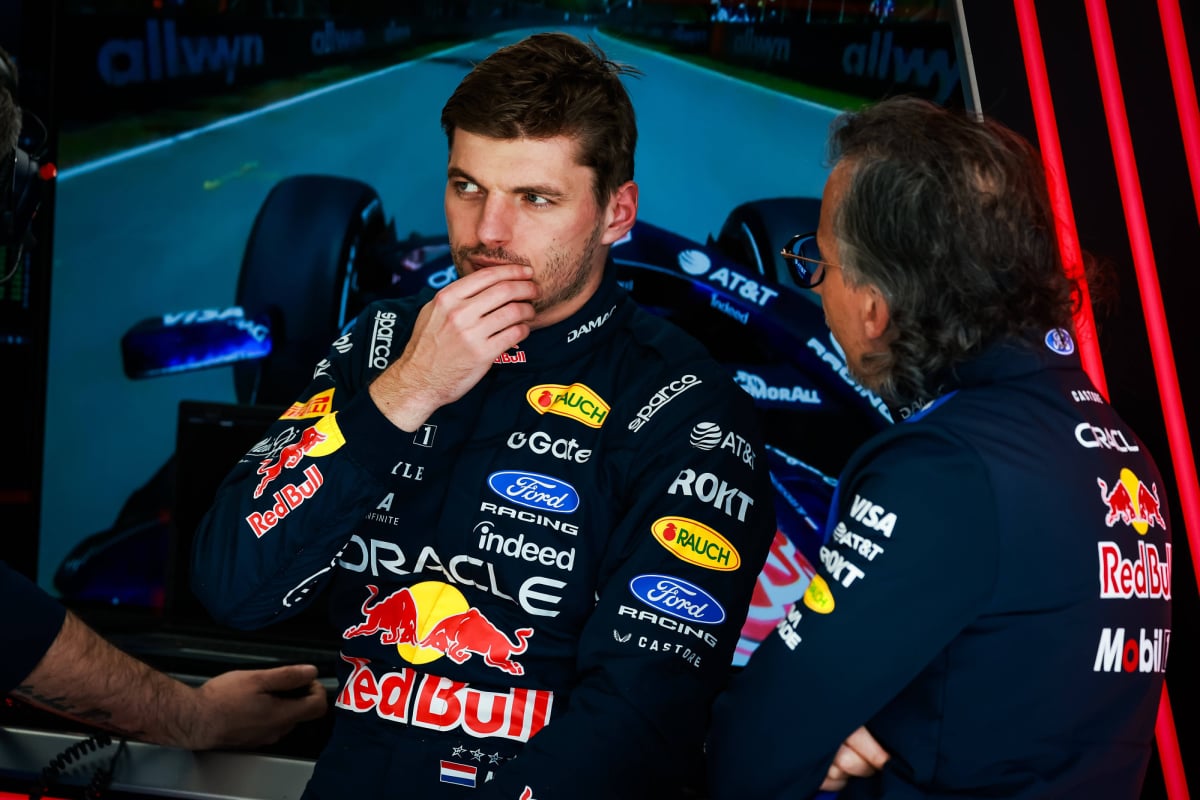
Verstappen, a four-time Formula 1 world champion, has repeatedly expressed dissatisfaction with the behaviour of his Red Bull car. One of his biggest concerns is the way the car appears to lose performance as a session progresses or during a race. The Dutch driver has described the problem as a degrading car, highlighting the difficulties he faces when trying to maintain competitive performance throughout a race weekend.
The issue has become a significant concern for the team, particularly as Red Bull attempts to remain competitive against its rivals. Although the team has acknowledged the problem, there is still no guarantee that the solutions currently being developed will completely eliminate the weakness.
Red Bull Technical Director Expresses Concerns
Red Bull’s technical director, Pierre Wache, has admitted that he cannot confidently promise a complete solution to the performance degradation problem before the beginning of the next season.
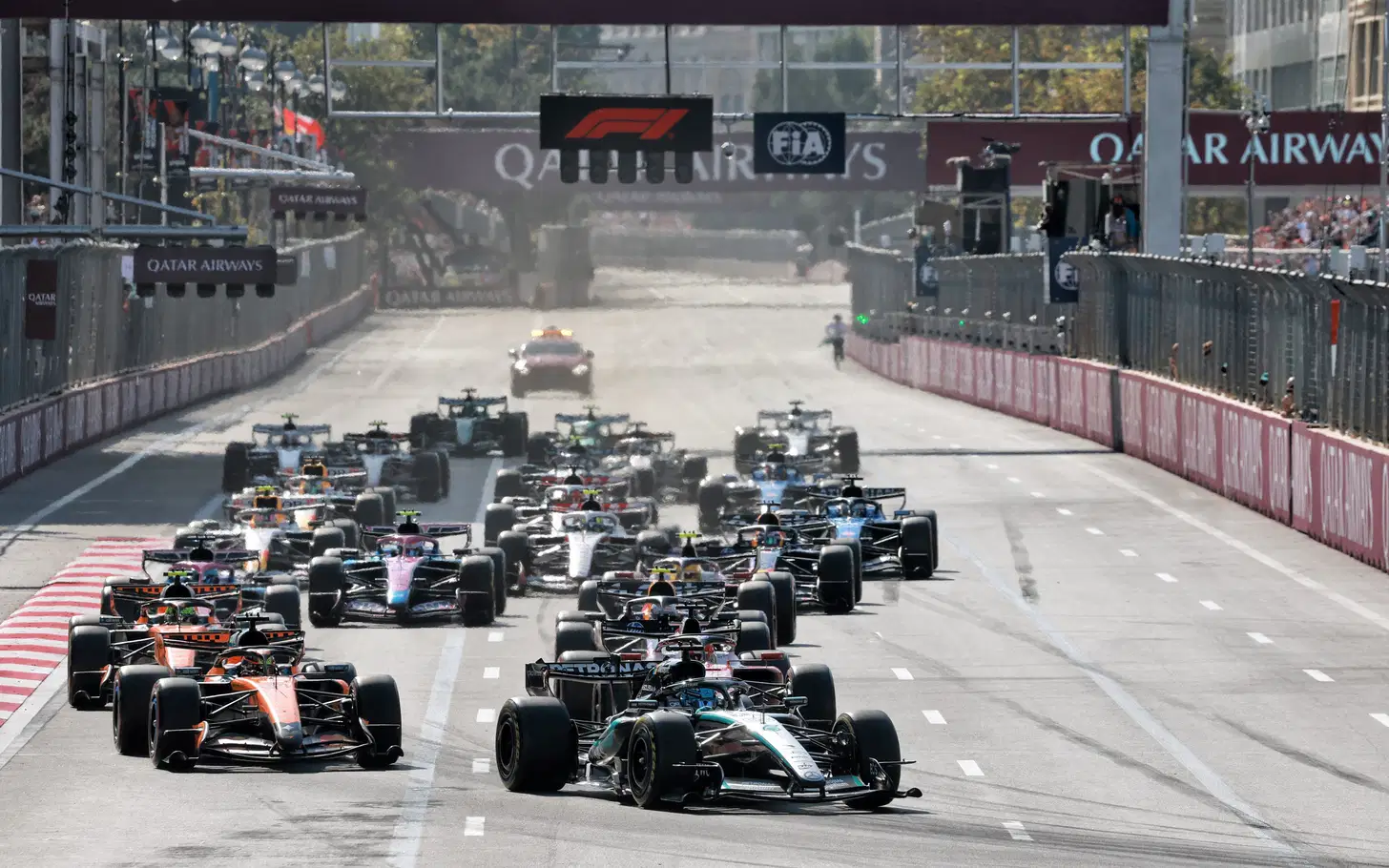
Speaking after the Thursday practice sessions in Baku ahead of the Azerbaijan Grand Prix, Wache explained that finding a permanent fix would be difficult.
He acknowledged that the team was still working to understand the problem and develop an effective solution. However, he made it clear that he was not entirely confident that the measures being implemented would completely resolve the issue.
According to Wache, developing a competitive Formula 1 car involves balancing several technical requirements. Engineers must carefully consider factors such as the vehicle’s overall weight, aerodynamic efficiency and general performance.
Making a significant improvement in one area can sometimes negatively affect another aspect of the car. As a result, the team must find a compromise that allows it to improve the car’s performance without creating additional weaknesses.
Wache explained that Red Bull was working hard to address the problem because it represented a major concern for the team.
Despite the ongoing efforts, he acknowledged that there was no certainty that the current development programme would deliver a complete solution.
His comments indicate that Red Bull is still searching for answers to a technical problem that has continued to affect Verstappen’s experience behind the wheel.
Verstappen’s Concerns Receive Support From Team Management
Verstappen’s complaints about the car have not been dismissed by Red Bull’s management.
Team principal Laurent Mekies has previously acknowledged that the driver’s concerns about the car’s performance degradation are legitimate.
Mekies explained that the issue was not new and that the team was fully aware of the difficulties it was creating.
He also made it clear that Red Bull was actively working to understand and resolve the problem rather than ignoring the driver’s feedback.
The team principal’s comments reinforced the seriousness of the situation and suggested that the performance issue had been affecting the car for an extended period.
For Verstappen, maintaining consistent performance throughout a race is essential to competing for victories and championship points.
When a car loses performance during a session or race, drivers may struggle to maintain their pace against competitors, even when they begin with a competitive setup.
This makes it particularly important for Red Bull to identify the underlying causes of the problem and develop improvements that can deliver consistent results.
The team’s acknowledgment of Verstappen’s concerns also highlights the importance of communication between the driver, engineers and management when developing a competitive Formula 1 car.
Red Bull Faces Difficult Technical Decisions
One of the main challenges confronting Red Bull is finding a solution that improves the car without compromising other aspects of its performance.
Formula 1 engineering requires teams to manage several competing priorities, including aerodynamic efficiency, vehicle weight and overall speed.
According to Wache, addressing the degradation problem cannot be treated as a simple adjustment because the changes required could affect the car’s wider performance characteristics.
The team must therefore carefully evaluate its development options to ensure that any improvements do not introduce new weaknesses.
This balancing act has made the situation more complicated than initially expected.
Red Bull’s engineers are continuing to investigate the problem, but the technical director’s comments suggest that a complete fix may require more time and development work than the team would prefer.
The uncertainty surrounding the issue has also raised questions about whether the team can carry its current weaknesses into the next generation of Formula 1 cars if the problem is not properly understood.
Azerbaijan Grand Prix Upgrade Marks an Important Development Stage
Red Bull has already indicated that the upgrade package introduced for the Azerbaijan Grand Prix represents its final major development effort for the 2026 season.
This decision suggests that the team is beginning to redirect a greater share of its attention and resources towards the next season’s car.
With significant technical regulation changes approaching in 2027, Red Bull must determine how best to divide its development efforts between improving its current machine and preparing for the future.
Although the team is moving towards its next project, the unresolved performance degradation issue remains a major concern.
The challenge is not simply to improve the existing car but also to ensure that the same weaknesses do not become part of the next generation of Red Bull machinery.
The team’s ability to understand the underlying causes of the problem could therefore have implications that extend beyond the remainder of the current championship.
Red Bull Shows Signs of Progress in the Constructors’ Championship
Despite the technical difficulties, Red Bull has continued to make progress in the constructors’ championship.
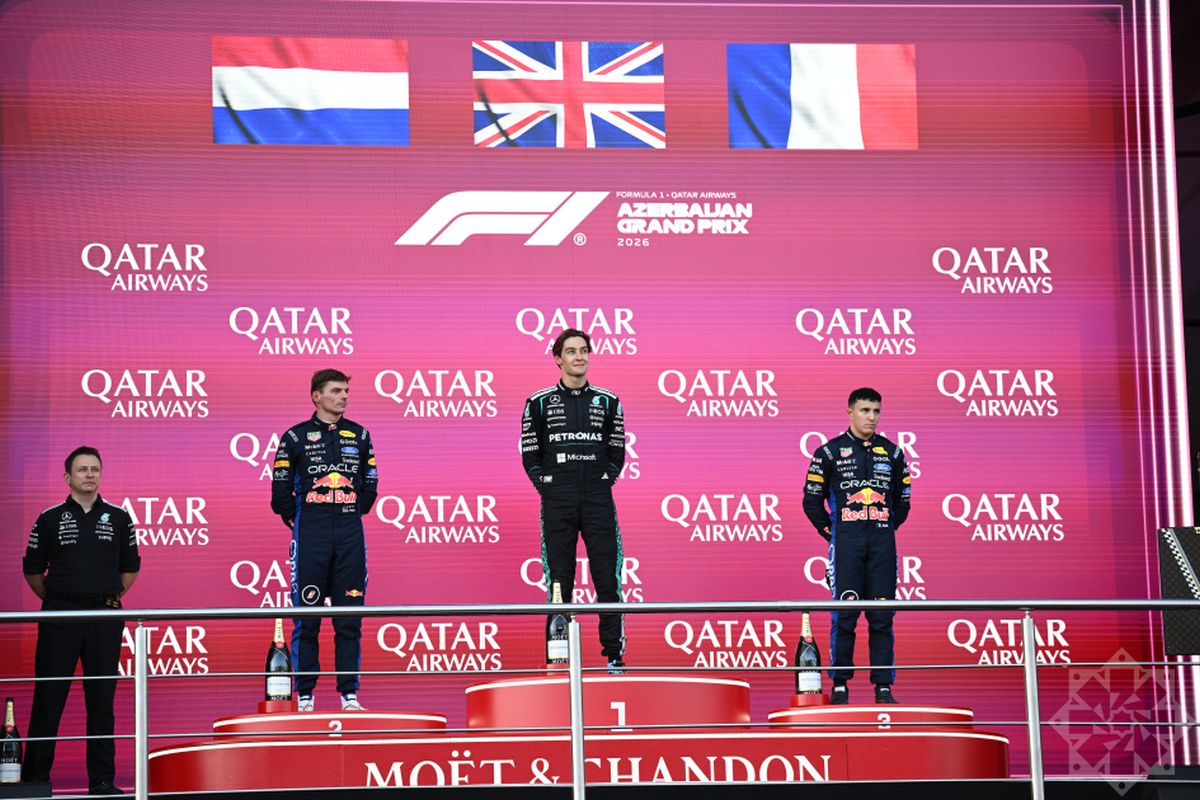
During the Azerbaijan Grand Prix weekend, Verstappen was reportedly the fastest driver outside Mercedes in both Thursday practice sessions.
However, the gap between Red Bull and the leading competitors remained considerable, highlighting the work still required to close the performance deficit.
The team nevertheless made progress in its battle with McLaren in the championship standings.
According to the report, Red Bull reduced its deficit to McLaren from 76 points to 43 points.
Red Bull had accumulated 263 points, while McLaren stood on 306 points.
Mercedes remained at the top of the standings with 538 points, followed by Ferrari with 378 points.
Red Bull occupied fourth place, ahead of Racing Bulls, Alpine and Haas.
These figures illustrate that the team has continued to collect valuable championship points despite the challenges affecting its car.
However, the standings also demonstrate the distance Red Bull must cover if it hopes to challenge the leading teams consistently.
Looking Ahead to the 2027 Formula 1 Season
As Red Bull increasingly shifts its attention towards the next generation of Formula 1 cars, the team’s engineers face an important technical challenge.
They must determine whether the current performance degradation problem can be fully resolved and establish how the lessons learned from the 2026 car can be applied to the next project.
Wache’s comments indicate that the team is still working through the technical difficulties and cannot guarantee that a complete solution will be available before the next season.
The uncertainty surrounding the problem is particularly significant because Formula 1 teams must carefully plan their development programmes when major regulation changes approach.
Red Bull’s decision to focus more heavily on its future project could help it prepare for the new technical era, but the existing car’s weaknesses remain an important issue.
For Verstappen, the priority will be to have a car that delivers consistent performance and allows him to compete effectively throughout a race.
For Red Bull, the challenge is to translate its engineering efforts into measurable improvements while ensuring that its next-generation car does not inherit the same problems.
Conclusion
Red Bull Racing is continuing to investigate the performance degradation issues affecting Max Verstappen’s car, but the team has admitted that it cannot guarantee a complete solution before the 2027 season.
The concerns raised by Verstappen have been acknowledged by both team principal Laurent Mekies and technical director Pierre Wache, who have confirmed that the problem remains a significant technical challenge.
Although Red Bull has made progress in the constructors’ championship and continues to work on improving its car, the team still faces a considerable performance gap to its leading rivals.
With the Azerbaijan Grand Prix upgrade marking the final major development package of the 2026 season, attention is increasingly turning towards the next generation of Formula 1 machinery.
Whether Red Bull can fully resolve the problem remains uncertain, but the team’s ability to address the issue could play an important role in determining its competitiveness in the seasons ahead.