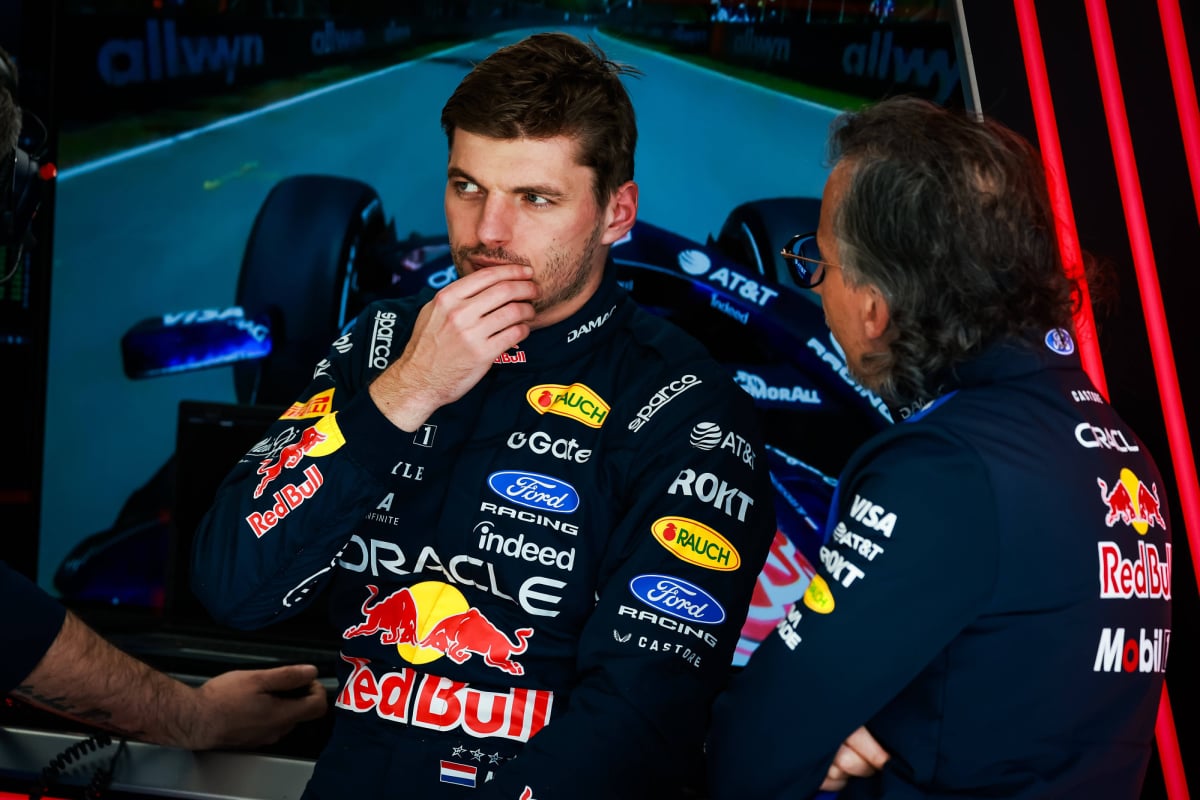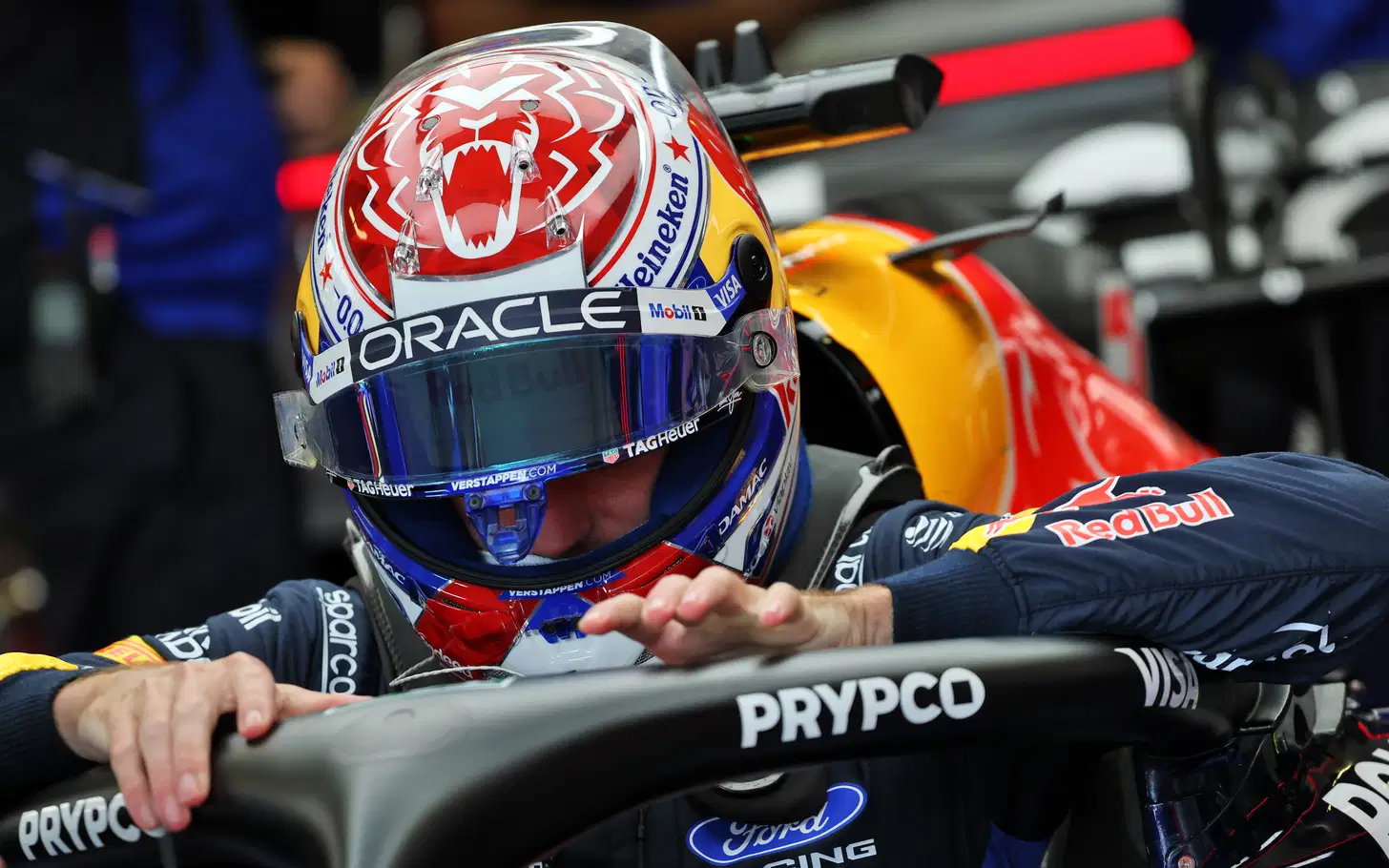
Max Verstappen and Red Bull team principal Laurent Mekies have offered contrasting views over the possibility of the reigning Formula 1 champion receiving a grid penalty later in the season.
Verstappen entered Saturday’s Azerbaijan Grand Prix weekend facing concerns over the reliability of his Red Bull power unit. Following problems during qualifying, the Dutchman was forced to fit several new components before the race, including a fresh internal combustion engine, turbocharger, exhaust system and power-unit ancillary component.
The changes have placed Verstappen close to the limit of his permitted power-unit allocation for the season. Verstappen suggested that another change to certain components could result in a grid penalty at a future race.
However, Mekies appeared less convinced that the situation was quite as straightforward as Verstappen had suggested. The Red Bull boss offered a different interpretation of the regulations and the team’s remaining options, creating uncertainty over whether Verstappen is actually on the immediate brink of a sporting penalty.
The issue could become increasingly important as the championship enters its final stages, particularly if Red Bull is forced to introduce additional components because of reliability problems.
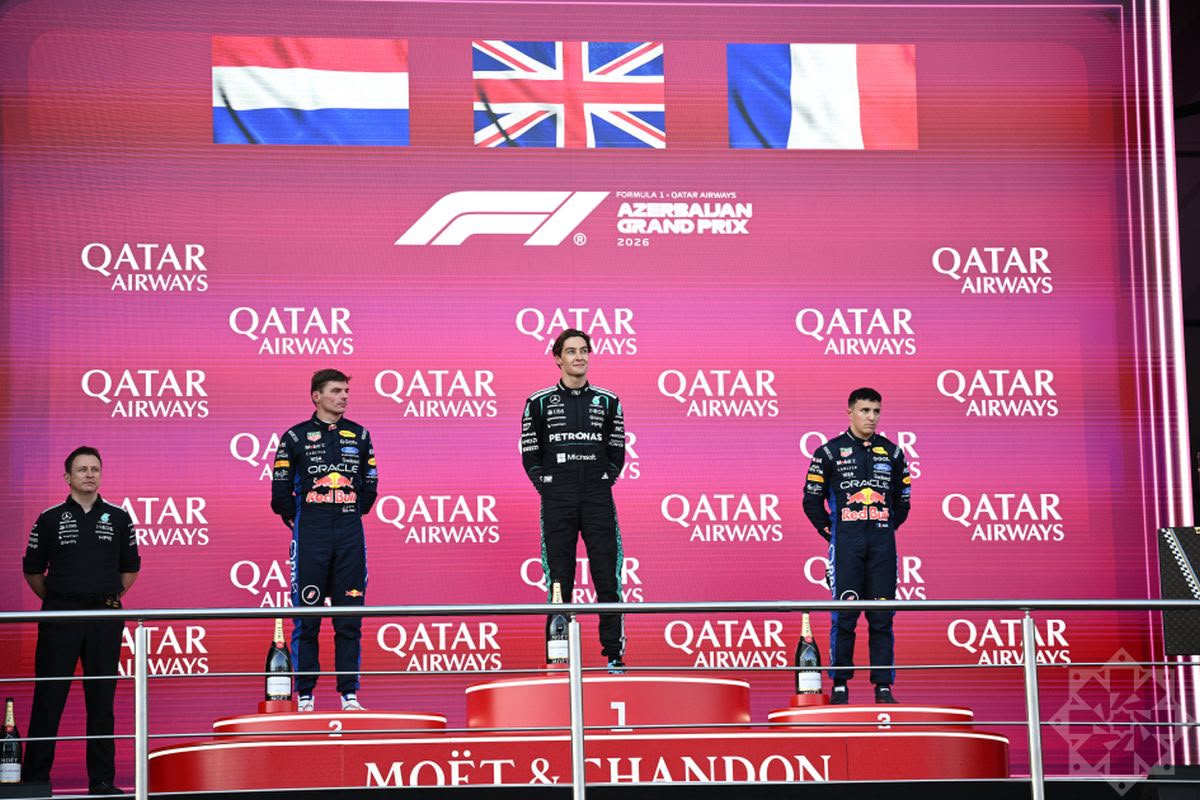
Verstappen’s Azerbaijan weekend itself ended positively from a points perspective. Despite Red Bull’s ongoing concerns about the car’s performance and degradation, the four-time world champion finished second behind George Russell after starting near the front of the grid.
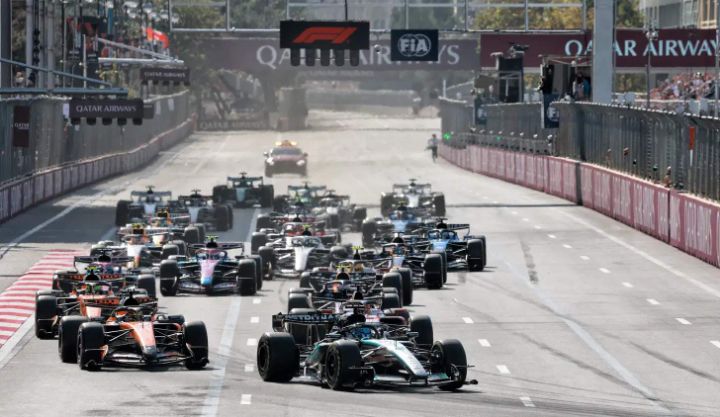
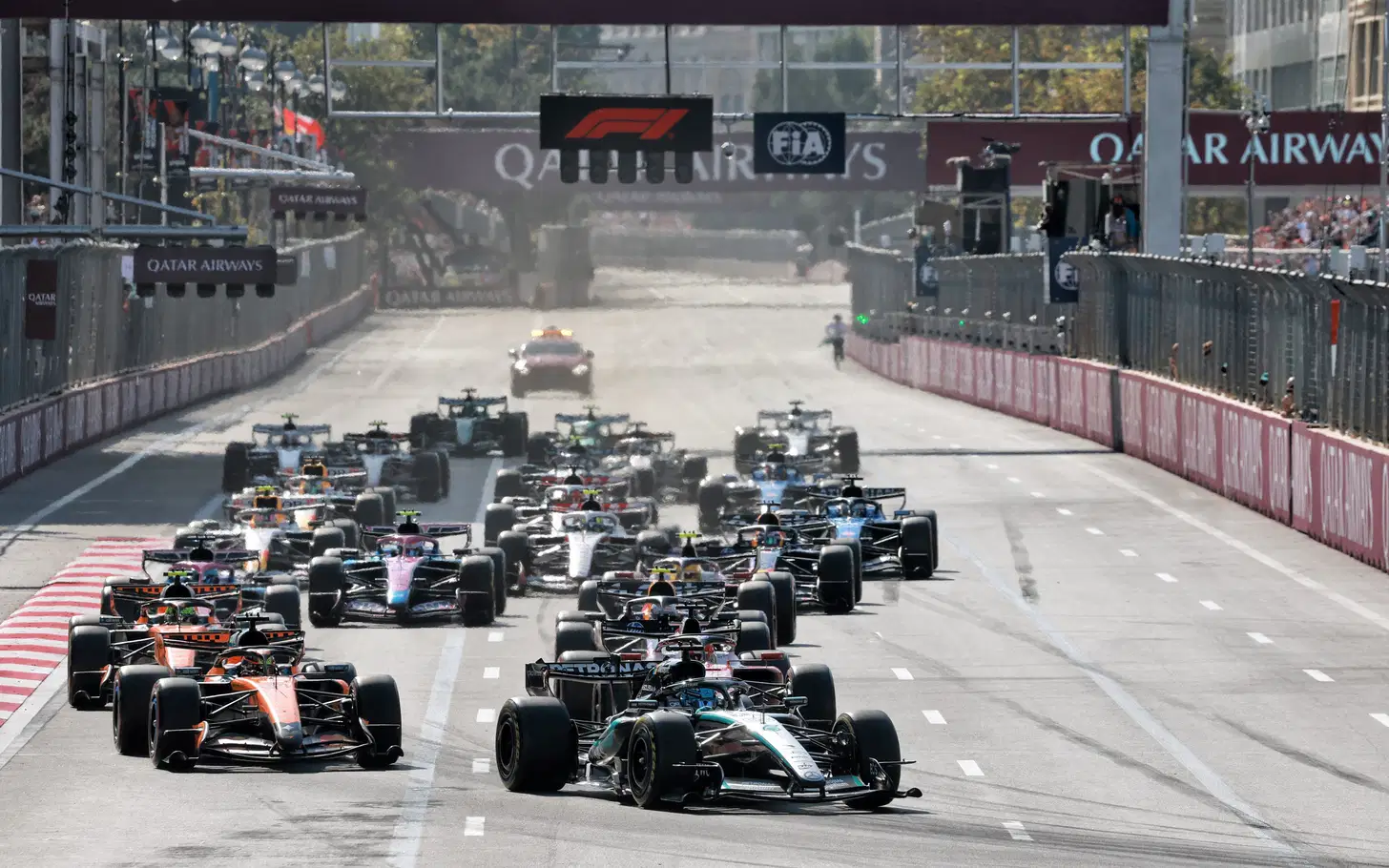
Meanwhile, another major talking point from Baku involved Lando Norris, who was forced to retire following a collision during a safety-car restart.
Norris had been highly critical of the incident after the race and called for action against the rival driver involved. His comments generated significant attention throughout the paddock, but the McLaren driver later issued a public apology for his remarks.
Norris acknowledged that his emotions were running high after his retirement and appeared to accept that his immediate reaction had been stronger than necessary. His comments had sparked debate over whether drivers should face harsher punishments for incidents that occur during chaotic restarts.
Another intriguing story from Azerbaijan involved Verstappen and Red Bull’s internal team orders.
Untelevised team radio revealed that Isack Hadjar was instructed not to challenge Verstappen during the early stages of the race. Hadjar had been running closely behind his more experienced team-mate after the opening laps.
The first part of the race saw Oscar Piastri establish a small advantage over Verstappen, while Hadjar remained within striking distance of the Dutchman.
Verstappen eventually overtook Hadjar on the long start-finish straight on lap six to move into third place. Shortly before the move, Hadjar’s race engineer Richard ‘Woody’ Wood reminded him that Red Bull’s priority was the overall race result.
“Okay, so Verstappen car behind. Remember, race time is priority here,” Wood told Hadjar over team radio.
The message effectively made clear that Hadjar was not expected to engage in an aggressive battle with Verstappen.
With Red Bull still fighting for valuable championship points, such decisions could become increasingly significant as the season progresses. Verstappen’s power-unit situation, Norris’ apology and the revealed team orders have all added further drama to an already intense championship battle.