Formula 1’s Austrian Grand Prix weekend has already produced its first major talking point, with several drivers being summoned by the FIA as the governing body continues to deal with the aftermath of a controversial penalty decision that has divided opinion throughout the paddock.
The matter stems from events surrounding the Monaco Grand Prix, where a series of stewarding decisions dramatically altered the final classification long after the chequered flag had fallen. Those decisions have remained a source of debate among teams, drivers, and fans, and the issue has now carried over into the Austrian Grand Prix weekend.
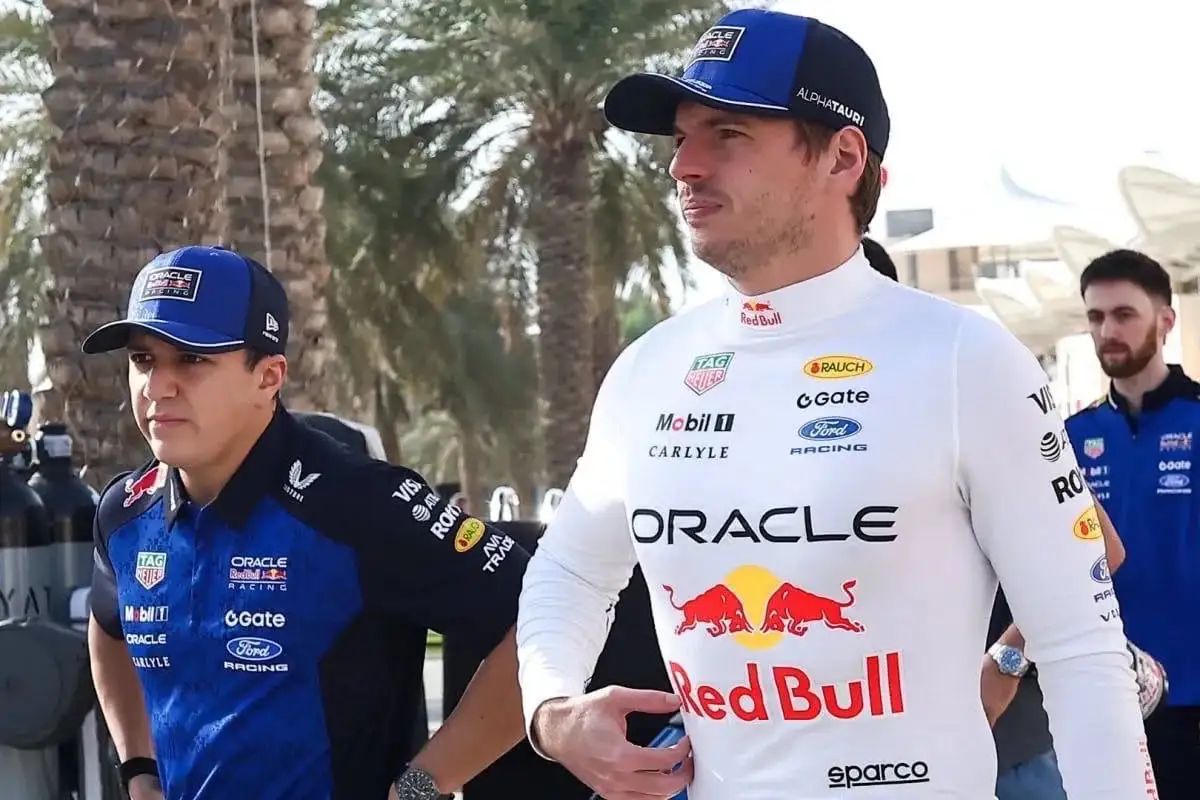
Among the drivers involved are Pierre Gasly, Oscar Piastri, and Isack Hadjar, who addressed the ongoing controversy during the FIA’s official press activities at the Red Bull Ring. The topic remains one of the biggest stories heading into the latest race weekend as Formula 1 continues to search for greater consistency in stewarding decisions.
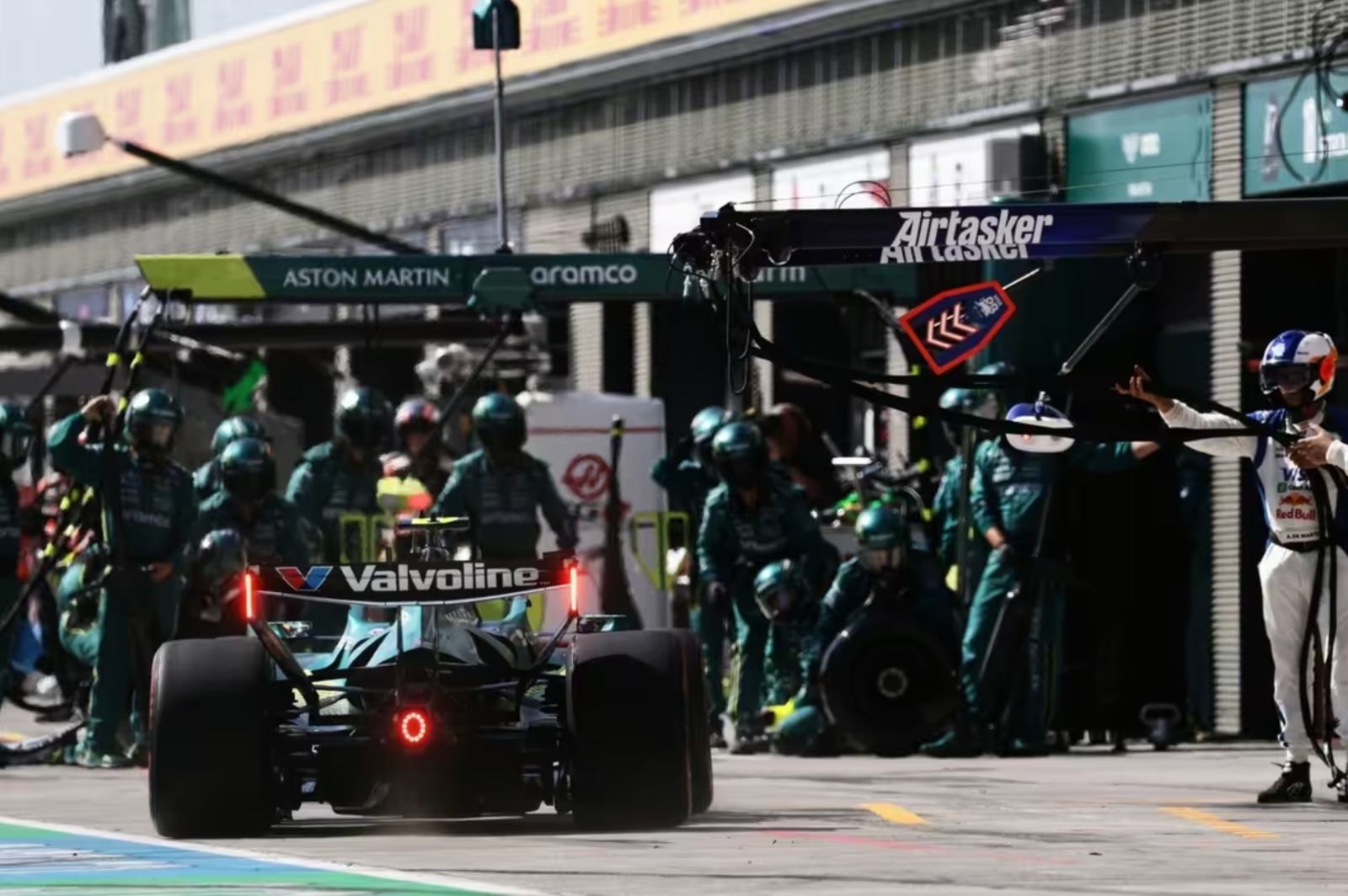
The original controversy began after Pierre Gasly received two five-second penalties during the Monaco Grand Prix for alleged pit-lane speeding offences. Those penalties dropped the Alpine driver from a podium finish to seventh place, significantly changing the race results.
However, Alpine later challenged the ruling after identifying what it believed to be an error in the timing system used by race officials. Following a review of the available evidence, the FIA acknowledged that there had indeed been a mistake in the timing data.
As a result, Gasly’s penalties were overturned and he was officially restored to third place in the final race classification. The decision also meant that Oscar Piastri lost a finishing position, while Isack Hadjar surrendered the podium position he had briefly inherited.
Although Gasly eventually regained his trophy, the story did not end there.
Both McLaren and Red Bull decided to challenge the revised outcome, arguing that the process surrounding the reversal raised significant questions about how post-race decisions should be handled.
The appeals have left the final Monaco classification technically unresolved, creating uncertainty that has extended into the Austrian Grand Prix weekend.
During Thursday’s FIA media session in Austria, Gasly admitted he was pleased to finally receive the Monaco trophy after weeks of waiting.
The French driver explained that while it was satisfying to have the result corrected, the long delay had taken away much of the emotion that usually accompanies a podium finish. Instead of celebrating immediately after the race with his team, he had to wait for the administrative process to run its course before officially reclaiming third place.
Gasly acknowledged that the trophy now sits proudly in his collection, but admitted that the delayed recognition was far from ideal.
Oscar Piastri also discussed the situation and expressed concern about the wider implications for Formula 1.
The McLaren driver suggested that prolonged legal processes could create unnecessary uncertainty after races. While he accepted that mistakes should be corrected whenever possible, he questioned whether teams might increasingly challenge stewarding decisions if they believe results can be changed days or even weeks later.
According to Piastri, Formula 1 benefits from having clear and definitive race results as soon as possible after the finish.
He warned that lengthy appeals risk undermining confidence in the championship and could leave fans unsure about official standings for extended periods.
Isack Hadjar, who temporarily inherited a podium finish before Gasly’s reinstatement, also commented on the unusual situation.
The Red Bull driver explained that although surrendering the trophy was naturally disappointing, he understood the circumstances once the FIA confirmed that an error had occurred.
Hadjar indicated that while no driver enjoys losing a podium finish after initially being awarded one, fairness remains the most important principle.
The FIA continues to insist that its review process is designed to ensure the correct sporting outcome whenever new evidence becomes available.
Officials maintain that overturning an incorrect decision, even after a race weekend has concluded, is preferable to allowing an inaccurate result to remain in the championship records.
Nevertheless, the situation has reignited debate about Formula 1’s stewarding procedures.
Many within the paddock believe the governing body should explore ways to resolve disputes more quickly, reducing the possibility of championship positions changing long after celebrations have taken place.
The controversy also arrives during an already busy Austrian Grand Prix weekend, where teams are preparing for challenging weather conditions following the FIA’s declaration of a heat hazard at the Red Bull Ring.
Drivers are expected to cope with extremely high cockpit temperatures, adding another layer of difficulty to one of the fastest circuits on the Formula 1 calendar.
Despite the off-track distractions, attention will soon shift back to racing as practice sessions get underway.
Championship contenders will be eager to focus on performance rather than stewarding discussions, but the Monaco appeal continues to cast a shadow over the paddock.
For Gasly, the priority is now converting the positive momentum from recovering his podium finish into another strong weekend on track.
Piastri, meanwhile, hopes the sport can learn valuable lessons from the episode to ensure future races are decided more clearly and efficiently.
As for Hadjar, the experience serves as a reminder that in modern Formula 1, results are not always final immediately after the chequered flag.
With appeals still pending and the FIA continuing to evaluate the wider implications of the Monaco case, the debate surrounding stewarding consistency is unlikely to disappear anytime soon.
As the Austrian Grand Prix progresses, fans, teams, and drivers will be watching closely—not only to see who emerges victorious on the circuit, but also to discover whether Formula 1’s governing body can restore confidence in a process that has become one of the sport’s biggest talking points this season. The outcome of the remaining appeals could influence not only the Monaco record books but also future procedures for handling controversial decisions across the championship.