The opening free practice session for the Austrian Grand Prix delivered plenty of excitement, unexpected setbacks, and encouraging performances as Formula 1 teams began preparations for one of the most important race weekends of the season. Although the session lasted just an hour, it featured mechanical problems, a red-flag interruption, and an impressive display of pace from Mercedes, who emerged as the standout team during the opening stages.
From the moment the pit lane opened, drivers wasted little time heading onto the Red Bull Ring circuit to gather valuable data. The Austrian Grand Prix has always been one of the shortest laps on the Formula 1 calendar, meaning drivers can complete a large number of laps in a relatively short period. Teams therefore approached the session with different priorities, ranging from aerodynamic testing and tyre evaluation to race simulations and qualifying preparation.
However, not every driver enjoyed a trouble-free beginning.
One of the biggest talking points came from reigning world champion Max Verstappen, whose session was disrupted by technical issues that prevented him from running smoothly. Red Bull had hoped to make a strong start at their home circuit, where thousands of Dutch fans traditionally fill the grandstands in support of Verstappen. Instead, the Dutchman spent valuable time in the garage while mechanics investigated the problem affecting his car.
The issue significantly reduced the amount of meaningful running Verstappen could complete, leaving Red Bull with less data than expected ahead of the remainder of the weekend. With only three practice sessions available before qualifying, every lap is valuable, making the setback even more frustrating for the reigning champion and his engineers.
McLaren also encountered difficulties during the session as Lando Norris experienced problems that interrupted his programme. The British driver, who has consistently challenged near the front throughout the season, was unable to enjoy a completely clean session after technical concerns affected his running.
Like Verstappen, Norris lost precious track time while his mechanics worked to resolve the issue. Although the team eventually returned to the circuit, the interruption prevented McLaren from completing its full testing schedule.
The difficulties for two of Formula 1’s leading teams opened the door for Mercedes to take advantage.
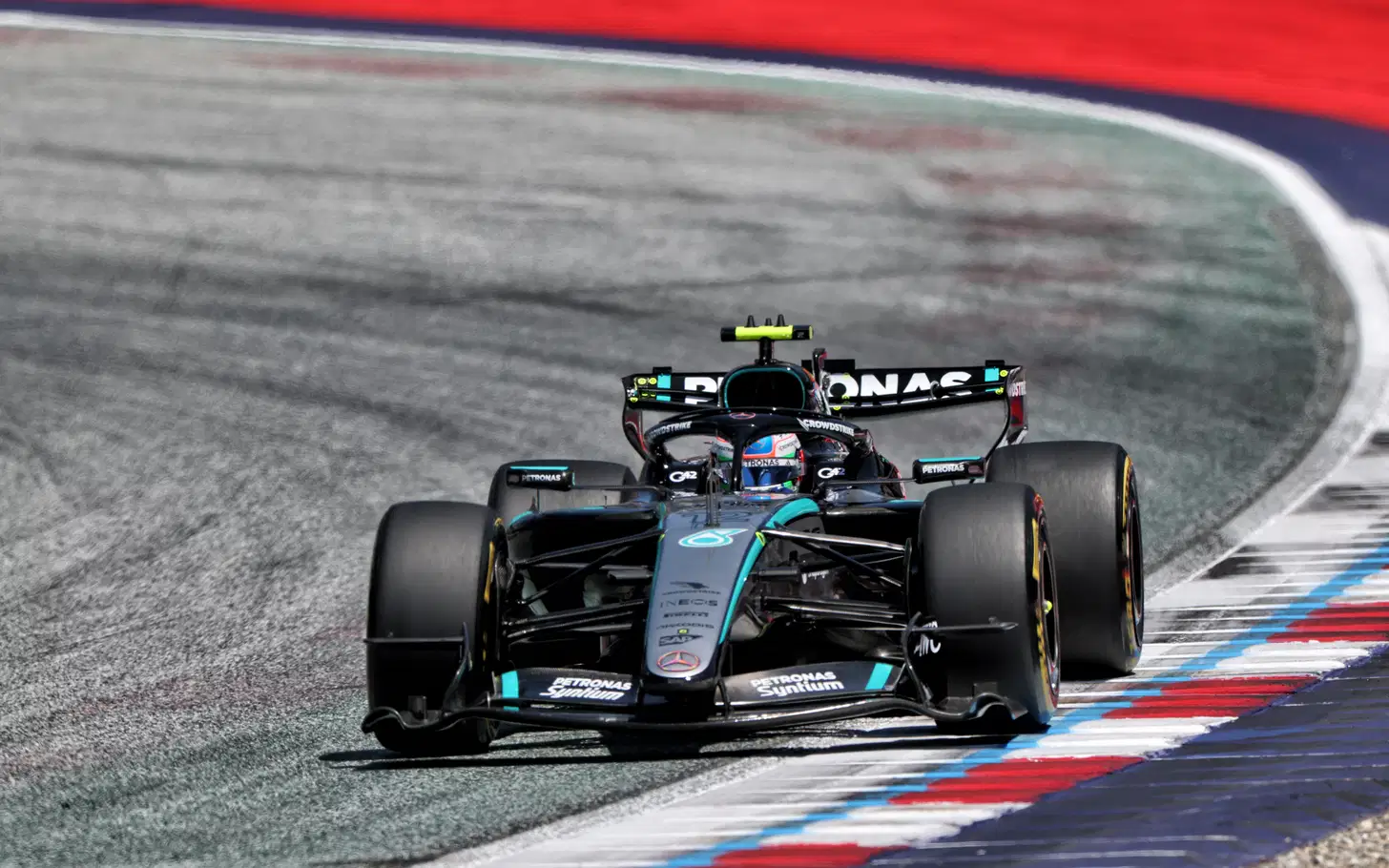
George Russell immediately looked comfortable around the fast Austrian circuit, producing competitive lap times from the beginning of the session. His confidence behind the wheel was evident as he consistently improved with each run, eventually placing himself firmly at the top of the timing sheets.
Mercedes teammate Kimi Antonelli also impressed throughout the session. The young Italian continued to demonstrate why the Silver Arrows have placed so much faith in his ability, delivering a series of fast and consistent laps that kept him near the front.
Together, the Mercedes pair controlled much of the session, suggesting that the team has arrived in Austria with a highly competitive package. After showing encouraging pace in recent races, Mercedes once again looked capable of challenging both Red Bull and Ferrari.
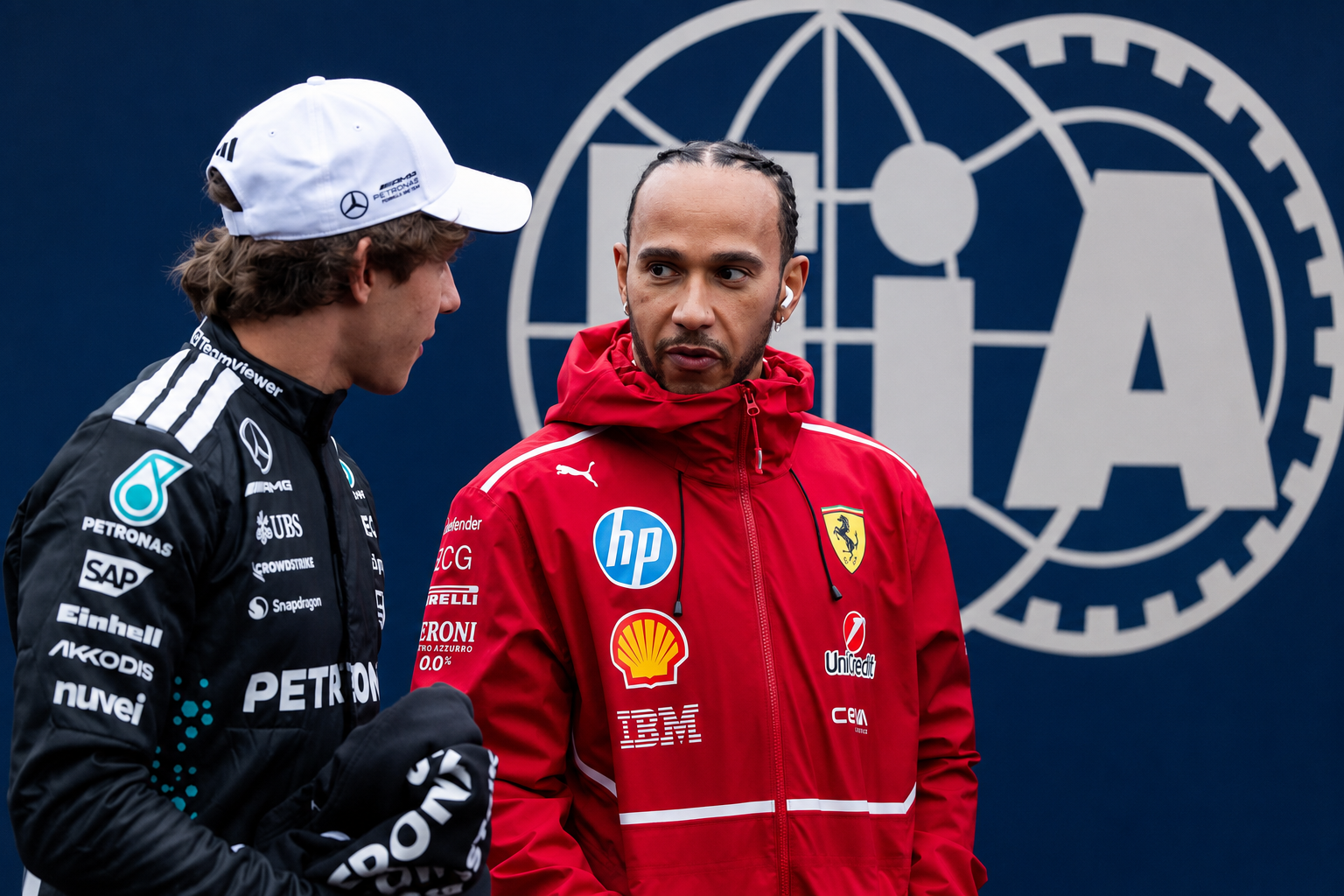
Ferrari enjoyed a productive opening session despite not matching Mercedes’ outright speed. Lewis Hamilton steadily improved throughout the hour as engineers focused on refining the balance of the SF-26. His teammate Charles Leclerc also gathered valuable data while experimenting with different tyre compounds and setup changes.
Neither Ferrari driver appeared to be pushing the absolute limits of performance, instead concentrating on long-run consistency and car balance. Nevertheless, both remained comfortably inside the leading group and looked well-positioned for the remainder of the weekend.
Elsewhere, several midfield teams also enjoyed encouraging starts.
Williams once again demonstrated competitive pace, continuing the impressive progress they have shown throughout the season. Their drivers completed extensive programmes without major problems while collecting important aerodynamic information.
Alpine, Racing Bulls, Haas and Audi similarly focused on race preparation, with engineers carefully monitoring tyre wear and fuel consumption over longer runs.
A dramatic moment arrived midway through the session when the red flags were displayed, bringing all on-track activity to an immediate halt.
The stoppage temporarily interrupted every team’s programme as marshals attended to an incident requiring attention before the circuit could safely reopen. While the delay was relatively brief, it disrupted several drivers who had just begun important qualifying simulations.
Once the session resumed, teams quickly adjusted their plans to recover as much information as possible before the chequered flag.
Mercedes continued to dominate the timesheets after the restart, with Russell setting another impressive lap that underlined the team’s strong early pace. Antonelli remained close behind, giving Mercedes an encouraging one-two position.
Meanwhile, Verstappen finally returned to the circuit after spending considerable time in the garage. Although he managed to complete additional laps before the session ended, the reduced running meant Red Bull still had unanswered questions regarding their overall competitiveness.
Norris also returned to action following McLaren’s repairs, allowing the British driver to salvage some valuable mileage. Even so, the team finished the session knowing they still had significant work to complete before the second practice session.
Tyre management proved another important focus throughout the hour. Pirelli’s compounds behaved differently under the warm Austrian conditions, prompting engineers to analyse degradation levels and long-run performance carefully. Several teams alternated between soft, medium and hard tyres to compare pace and durability, with those findings expected to influence race strategy later in the weekend.
Weather conditions remained favourable throughout the session, allowing teams to complete uninterrupted running once the red flag ended. Warm temperatures and a dry circuit provided representative conditions for gathering meaningful data.
Although lap times during free practice rarely tell the full story because of varying fuel loads and engine modes, Mercedes’ speed nevertheless attracted considerable attention. Their consistency across multiple runs suggested the performance was genuine rather than simply the result of low fuel.
For Red Bull, the priority moving forward will be understanding and permanently resolving Verstappen’s technical issues before the second practice session begins. The Austrian Grand Prix represents one of the team’s most significant events of the season, making reliability absolutely essential.
McLaren also faces important work overnight to ensure Norris can complete a full programme during the remaining practice sessions. Every additional lap will help improve the team’s understanding of car setup before qualifying.
Overall, the first practice session produced an intriguing start to the Austrian Grand Prix weekend. Mercedes emerged looking extremely competitive, while Red Bull and McLaren were left frustrated by reliability concerns that interrupted the preparations of Verstappen and Norris.
With Ferrari quietly building momentum and several midfield teams appearing increasingly competitive, the stage is set for an exciting battle as the weekend continues. The remaining practice sessions will provide teams with further opportunities to fine-tune their cars, solve technical problems and determine whether Mercedes can maintain their early advantage or whether Red Bull, Ferrari and McLaren can respond before qualifying begins.