The Fédération Internationale de l’Automobile is facing mounting scrutiny as several major storylines converge to place the governing body under intense pressure in the 2026 Formula 1 season. From controversial rule tweaks to ongoing tensions between teams and officials, the spotlight on the FIA has rarely been brighter.
At the heart of the debate are the recent regulatory adjustments introduced ahead of the Miami Grand Prix. While the FIA has insisted these changes are necessary to improve racing quality and address team concerns, critics argue that frequent mid-season interventions risk undermining consistency and fairness. Teams have voiced frustration over what they perceive as reactive decision-making, with some suggesting that the sport’s rulebook is becoming increasingly unpredictable.
The situation is further complicated by disagreements between leading teams and the FIA over technical interpretations. Several outfits, including powerhouse organizations like Red Bull Racing and Mercedes-AMG Petronas Formula One Team, have reportedly raised concerns about how certain regulations are being enforced. These disputes have reignited long-standing tensions about transparency and consistency in officiating.
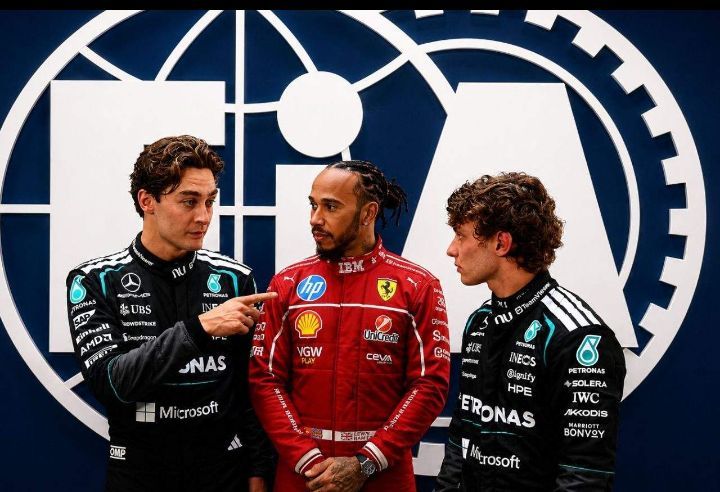
Drivers have also entered the conversation, with prominent voices such as Max Verstappen and George Russell calling for clearer communication from the FIA. While neither driver has directly criticized the governing body in harsh terms, both have emphasized the importance of stability in regulations, particularly in a season already shaped by significant technical changes.
Beyond the technical and sporting aspects, governance issues within the FIA have become an additional talking point. Questions have been raised about decision-making processes and whether the organization is effectively balancing the interests of teams, drivers, and fans. The growing complexity of Formula 1—driven by evolving technology, increased commercial stakes, and a global audience—has only amplified these challenges.
Meanwhile, the broader Formula 1 ecosystem, led by Formula One Group, is keen to maintain momentum during a period of rapid growth for the sport. With record viewership figures and expanding markets, there is little appetite for controversy to overshadow the on-track spectacle. However, the ongoing debates risk doing just that, particularly if disagreements escalate further.
One of the most pressing concerns is how the FIA manages the balance between innovation and regulation. The 2026 regulations were designed to usher in a new era of sustainability and competitiveness, but early feedback suggests that not all stakeholders are satisfied with how these goals are being implemented. Critics argue that constant adjustments could dilute the original vision of the rules, while supporters contend that flexibility is necessary to address unforeseen issues.
Despite the criticism, the FIA maintains that it is acting in the best interests of the sport. Officials have pointed to ongoing dialogue with teams and drivers as evidence of a collaborative approach. They argue that Formula 1’s complexity requires continuous evaluation and adaptation, particularly in a season marked by significant change.
As the championship progresses, the pressure on the FIA shows no signs of easing. Every decision—whether related to technical regulations, race control, or governance—will be closely scrutinized by teams, drivers, and fans alike. The governing body’s ability to navigate these challenges could prove decisive not only for the remainder of the 2026 season but also for the long-term credibility of the sport.
In a year already filled with drama on the track, the biggest storyline may ultimately be off it. How the FIA responds to this moment of intense pressure will shape the narrative of Formula 1 in 2026 and beyond.