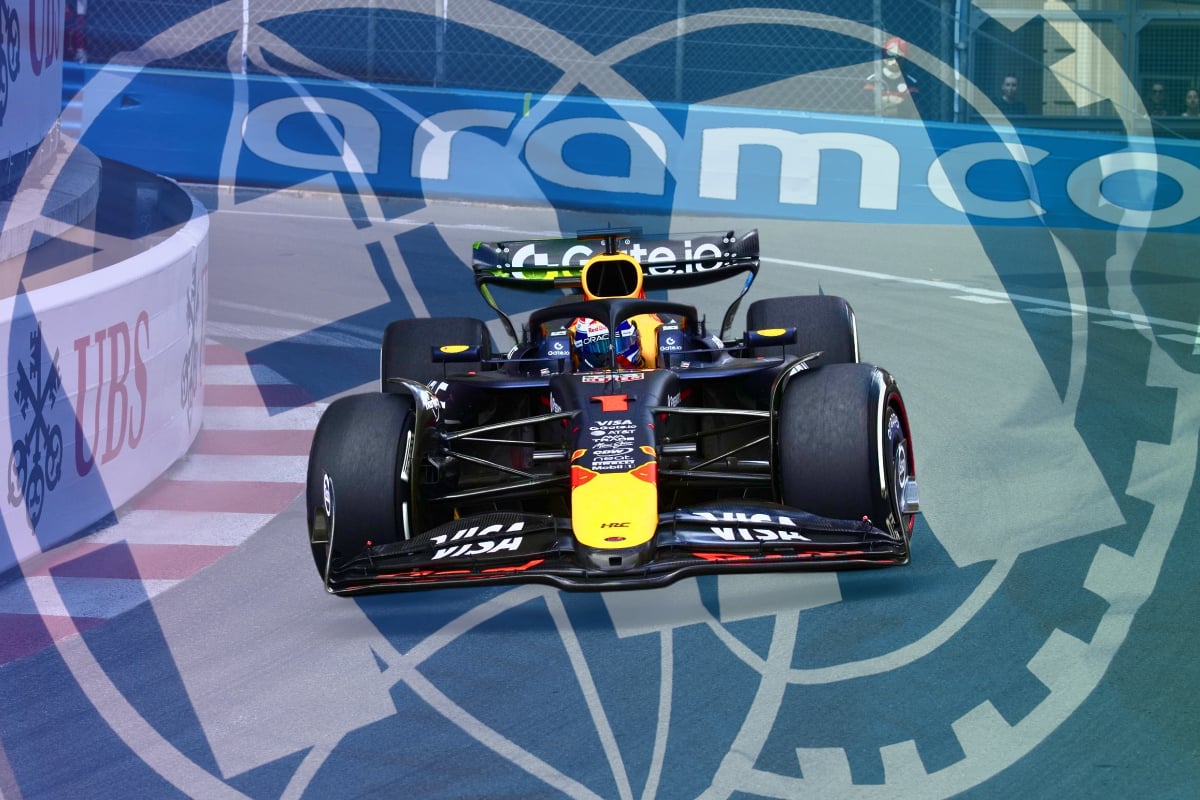
Max Verstappen has found himself in the middle of a new off-track controversy, with former F1 driver Juan Pablo Montoya suggesting the reigning champion should face penalty points for his public criticism of the 2026 regulations.
Verstappen’s blunt comments about the new chassis and power unit rules have sparked debate throughout the season. The Dutchman has been one of the most vocal opponents of the overhaul, even threatening to walk away from the sport in comments that Dutch media describe as “serious.” After testing the new era of F1, he labeled the cars “Formula E on steroids” and called the regulations “anti-driving.”
While his remarks in Miami were more measured than in previous rounds, he still urged for bigger changes next year. “I hope that next year we can see more significant changes,” Verstappen said. “It takes more than a few adjustments to get back to full-speed racing.”
That hasn’t sat well with Montoya. Speaking on BBC Sport’s F1 Chequered Flag Podcast alongside 1996 world champion Damon Hill and presenter Harry Benjamin, the seven-time Grand Prix winner said drivers need to show more respect for the sport they compete in.
“I’m okay with you not liking the regulations,” Montoya said. “But the way you’re speaking about what you’re living off and your own sport, there should be consequences for that.”
When Hill asked him to clarify what those consequences should be, Montoya didn’t hold back. “Park him,” he replied. “Add seven points to the license… eight points to the license so that whatever you do after, you’re going to be parked.”
Montoya’s suggestion would put Verstappen dangerously close to a race ban. Under the current system, drivers receive a one-race suspension once they accumulate 12 penalty points within a 12-month period. Verstappen already has several points on his license from on-track incidents, so eight more would put him at immediate risk.
The Colombian stressed he isn’t against drivers expressing opinions. “It’s okay to be outspoken, I’m not saying don’t be outspoken,” he explained. “But don’t come and call an F1 car a Mario Kart.” He also questioned Verstappen’s criticism of artificial speed boosts, drawing a comparison to the old DRS system. “When the rear wing was opening and you were getting 30km/h or 20 miles an hour, was that not fake?” Montoya asked.
His comments reflect frustration among some F1 veterans that public criticism from its biggest star is harming the sport’s image. Formula 1 has grown massively since Liberty Media took over in 2017, boosted by Drive to Survive and increased celebrity involvement. But the 2026 rule changes have been met with mixed reactions, with several key figures questioning the direction of the sport.
Montoya believes Verstappen’s position as a four-time champion makes his words carry extra weight. “I guarantee you, all the message would be different,” he said, implying Verstappen might tone down his comments if he knew penalties were on the table.
The suggestion has divided opinion. Supporters of Montoya argue that drivers should be more mindful of how their words impact F1’s reputation, especially when they are among its highest-paid and most visible figures. Critics counter that outspokenness is part of what makes F1 compelling and that fans often connect more with drivers who speak honestly.
Verstappen’s stance has also been linked to wider discontent about the 2026 rules, which have reduced engine power and increased reliance on electrical energy. While the FIA and F1 aim to improve sustainability and close the competitive field, some drivers feel the new cars are less rewarding to drive.
Red Bull has not responded directly to Montoya’s comments. Verstappen himself has maintained that his criticism comes from a desire to improve racing, not to undermine the sport.
The penalty points system was introduced to deter reckless driving, not regulate speech, so any move to apply it to verbal comments would be unprecedented. It would also raise questions about freedom of expression within F1.
For now, Verstappen’s license remains intact. But Montoya’s remarks have added another layer to an already tense relationship between drivers and the sport’s leadership in 2026. As the championship battle intensifies, the debate over how much drivers should speak out is unlikely to go away.