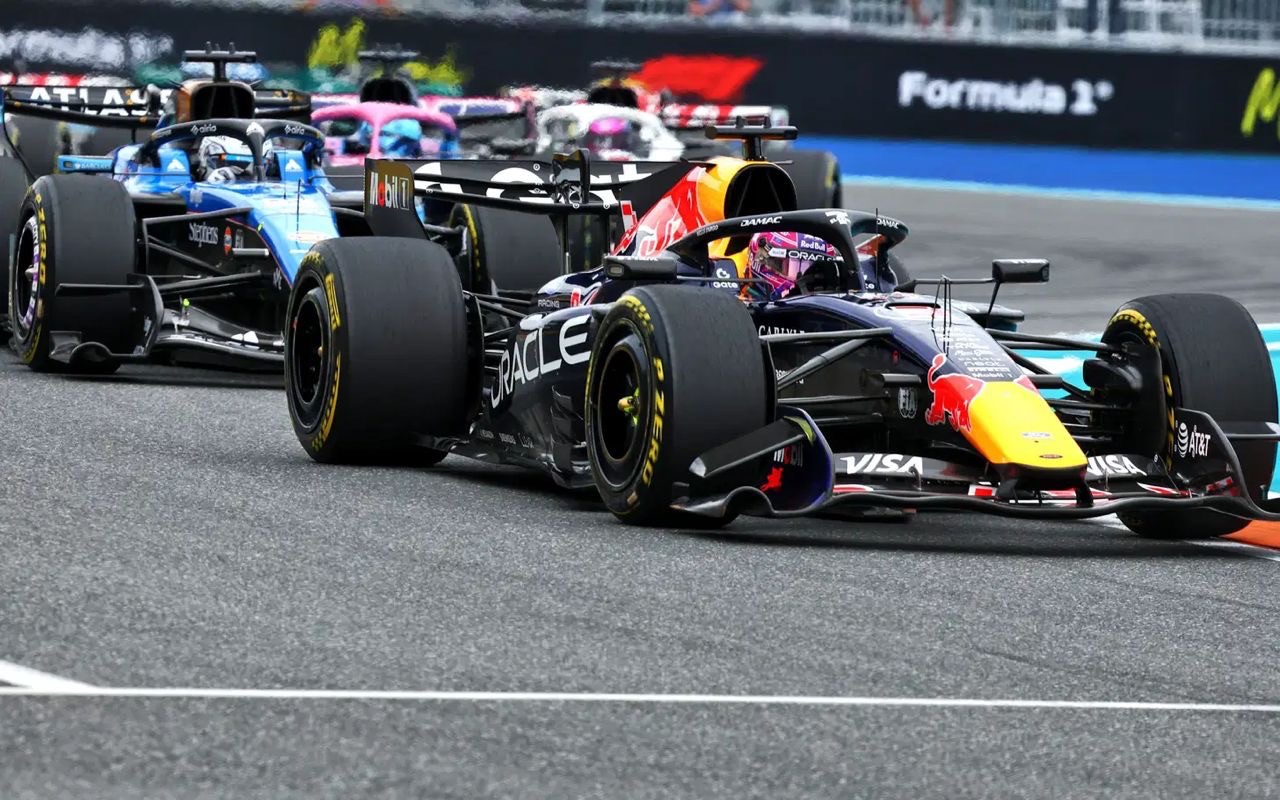
The aftermath of the 2026 Miami Grand Prix delivered yet another dramatic twist, as the Fédération Internationale de l’Automobile (FIA) officially confirmed the disqualification of a Formula One driver, sparking widespread discussion across the paddock and among fans worldwide. What initially appeared to be a routine race weekend quickly escalated into controversy following a detailed post-session inspection that uncovered a breach of technical regulations.
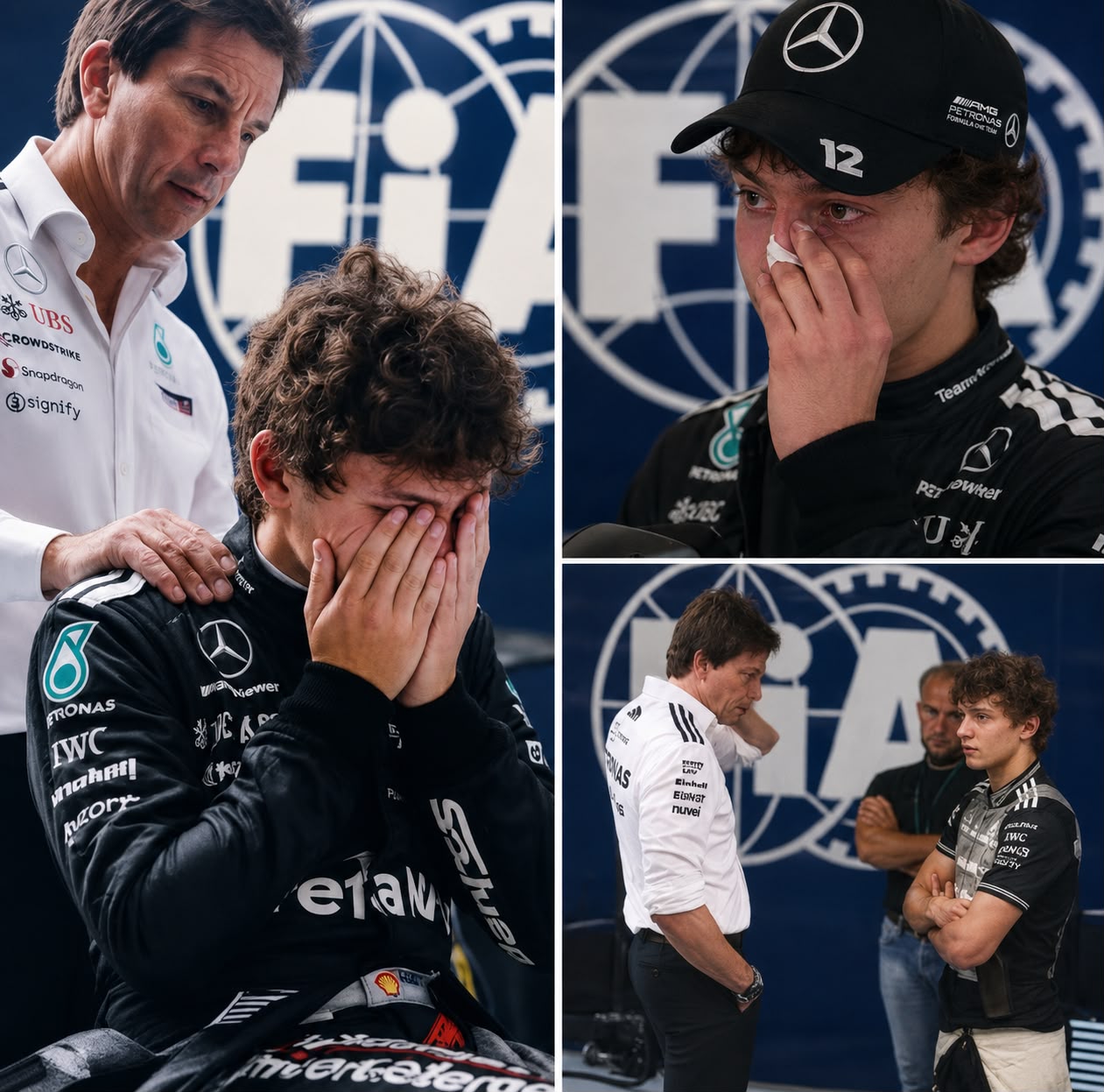
At the center of the situation was Isack Hadjar, a young and promising driver representing Red Bull Racing. Hadjar had delivered a respectable performance during qualifying at the Miami Grand Prix, securing a competitive position that placed him within reach of a strong race result. However, that achievement was ultimately overshadowed by the FIA’s findings, which ruled his car non-compliant with the sport’s strict technical framework.
The issue arose during routine scrutineering checks carried out after qualifying. FIA officials determined that specific components of Hadjar’s car—particularly sections of the floor assembly—did not conform to the dimensional limits outlined in the regulations. According to the governing body, portions of the floor extended beyond the permitted reference volume by a small margin, reportedly around two millimeters. While this might appear insignificant to the casual observer, Formula One operates on extremely precise engineering tolerances, where even the slightest deviation can constitute a violation.
As a result of this infringement, Hadjar was formally disqualified from the qualifying session. This decision effectively nullified his original grid position, forcing him to start the race from the back of the field.
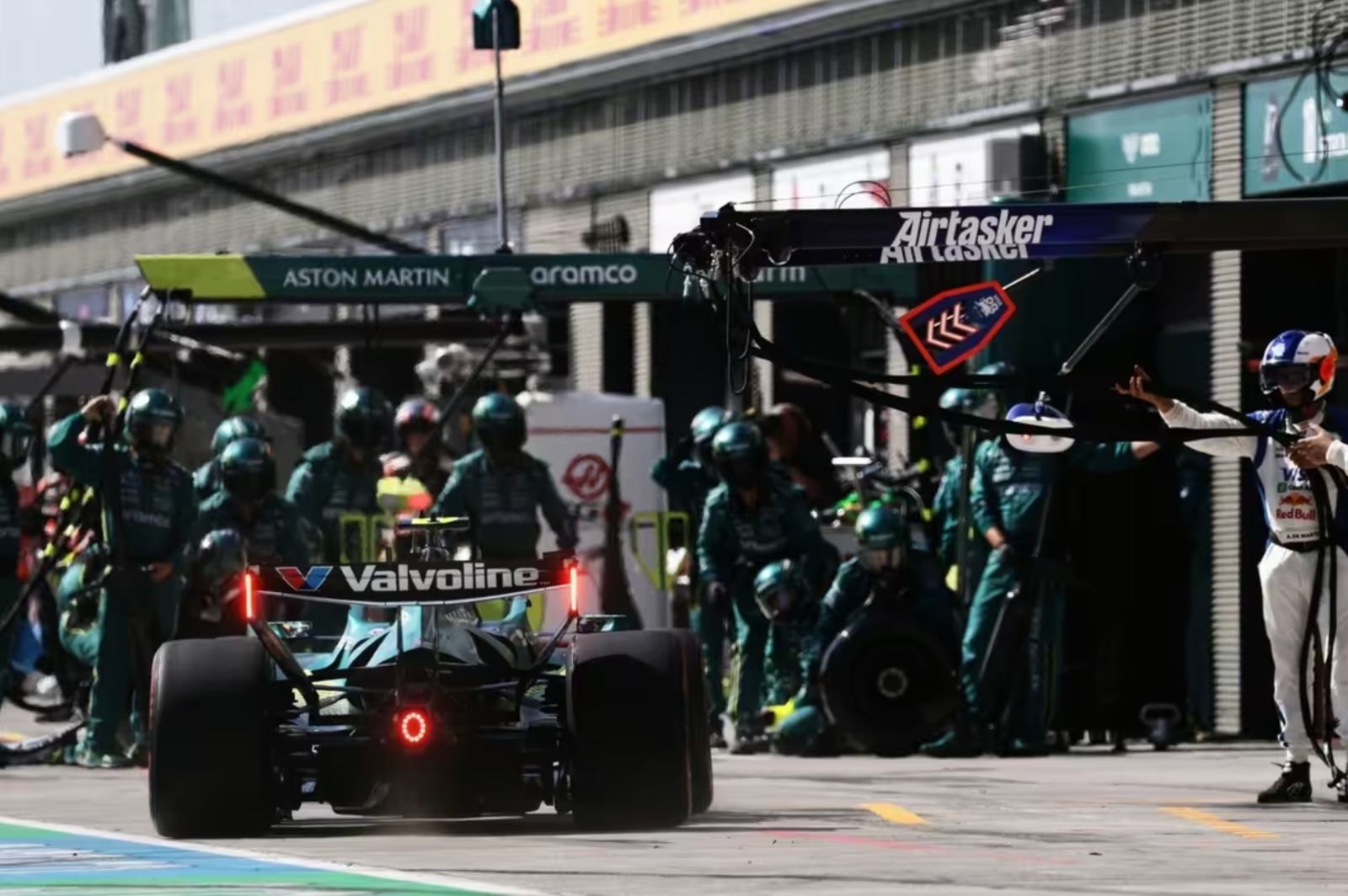
The situation became even more complicated as further developments unfolded. Following the disqualification, additional changes were made to Hadjar’s car under parc fermé conditions—a set of rules that strictly limit modifications between qualifying and the race. These changes, which included adjustments to power unit components and control electronics, triggered further penalties. Consequently, the driver was relegated to starting from the pit lane rather than simply the back of the grid, compounding what had already become a disastrous turn of events for both driver and team.
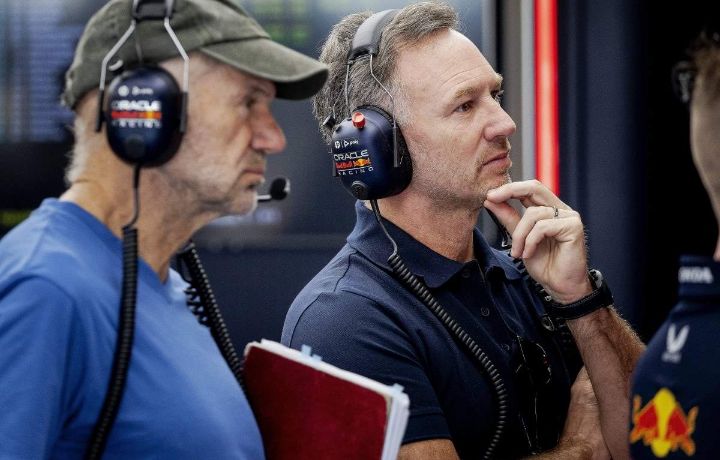
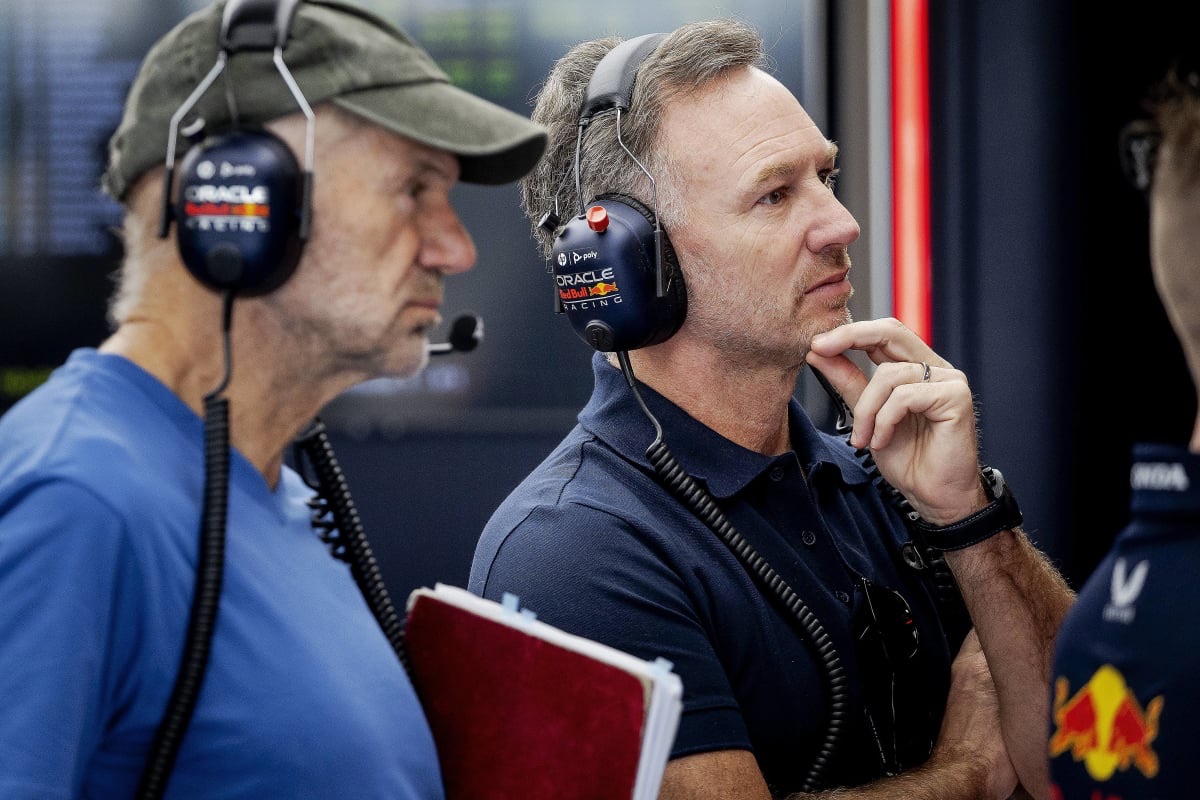
For Red Bull Racing, the incident was both embarrassing and costly. The team had introduced a series of upgrades for the Miami weekend, aiming to improve performance and close the gap to their rivals. While these updates appeared to deliver gains—particularly for teammate Max Verstappen—the technical breach on Hadjar’s car undermined their efforts and raised questions about internal processes and compliance checks.
Team representatives were quick to acknowledge the error, emphasizing that there had been no intention to gain an unfair advantage. Instead, the infringement was described as an oversight, albeit one with significant consequences. An apology was issued to Hadjar, as well as to fans and partners, reflecting the seriousness with which the team viewed the situation.
The disqualification also had a ripple effect on the broader race weekend. With Hadjar removed from his original qualifying position, other drivers benefited from an upward shift on the starting grid. Competitors who had narrowly missed out on higher positions were promoted, altering race strategies and expectations. In a championship as tightly contested as the 2026 season, even minor adjustments to the grid can have meaningful implications for points standings and team dynamics.
Beyond the immediate sporting consequences, the incident reignited ongoing debates about the FIA’s regulatory framework and enforcement standards. Formula One has long been defined by its complex technical rules, which are designed to ensure fairness while encouraging innovation. However, cases like this often prompt questions about proportionality—particularly when the breach is minimal in scale but results in severe penalties.
Supporters of the FIA’s decision argue that strict enforcement is essential to maintaining the integrity of the sport. In a competition where teams invest millions into gaining marginal advantages, allowing even small infractions could set a dangerous precedent. From this perspective, consistency and zero tolerance are necessary to prevent teams from pushing boundaries beyond acceptable limits.
Critics, on the other hand, suggest that the punishment may sometimes outweigh the offense, especially in situations where there is no clear evidence of performance gain. The fact that Hadjar’s car exceeded the permitted dimensions by just a couple of millimeters has been cited as an example of how rigid the rules can be. For some observers, this raises the question of whether there should be greater flexibility or a system of graded penalties based on the severity and intent of the infringement.
The Miami Grand Prix itself was already filled with drama, including changing weather conditions, strategic battles, and multiple investigations involving other drivers. Kimi Antonelli ultimately emerged victorious, continuing his impressive form and strengthening his position in the championship standings. However, the disqualification of Hadjar remained one of the most talked-about moments of the weekend, overshadowing many on-track achievements.
In the broader context of the 2026 Formula One season, the incident serves as a reminder of how unforgiving the sport can be. Success is determined not only by driver skill and race strategy but also by meticulous adherence to technical regulations. Teams must operate with absolute precision, as even the smallest oversight can undo an entire weekend’s worth of effort.
For Hadjar, the experience represents a difficult but potentially valuable lesson early in his career. While the setback was significant, it also highlights the importance of resilience in a sport where fortunes can change rapidly. How he and his team respond in subsequent races will be crucial in determining whether they can recover momentum and remain competitive.
Ultimately, the FIA’s confirmation of the disqualification underscores the governing body’s commitment to upholding the rules, regardless of the circumstances. Whether viewed as a necessary enforcement of standards or an overly harsh response to a minor infraction, the decision has once again demonstrated the fine margins that define Formula One. In a championship where every detail matters, compliance is not optional—it is fundamental.