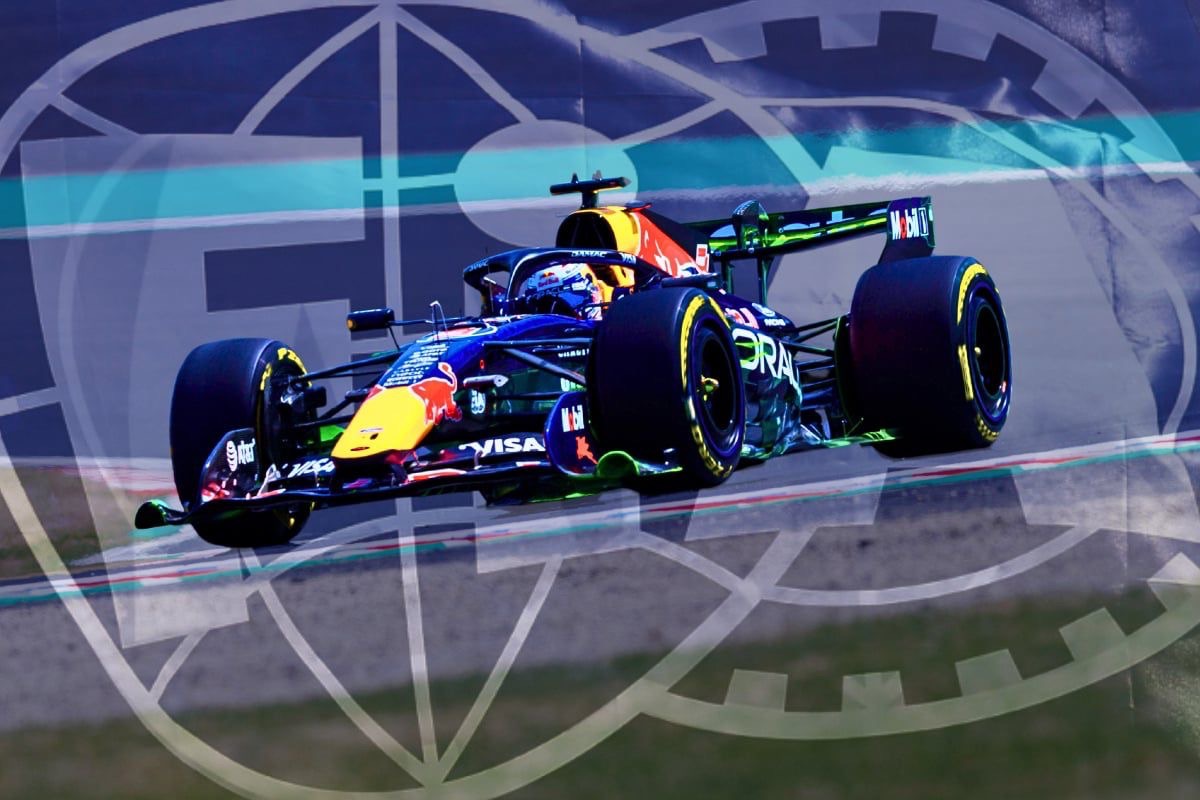
The debate surrounding Max Verstappen has taken a dramatic turn following a fresh controversy involving Formula 1’s penalty points system, with calls growing louder for the FIA to take stronger disciplinary action against the reigning world champion. What initially appeared to be routine criticism of the sport’s evolving regulations has now escalated into a much wider discussion about driver conduct, reputation, and the limits of free expression within Formula 1.
At the heart of the issue is Verstappen’s increasingly vocal dissatisfaction with the sweeping regulatory changes introduced for the 2026 season. These new rules, which significantly altered both chassis design and power unit configurations, have divided opinion across the paddock. While some drivers and teams have cautiously welcomed the changes as a step toward sustainability and innovation, others—most notably Verstappen—have been far more critical.
The Dutch driver has not held back in his assessment, at times describing the current era of Formula 1 in unflattering terms. His remarks have ranged from questioning the competitiveness of the new format to suggesting that the sport has drifted away from its traditional emphasis on pure driving skill. Such blunt criticism, while not unprecedented in motorsport, has drawn significant attention due to Verstappen’s status as one of the sport’s most influential figures.
This situation has now reached a boiling point after former Formula 1 driver Juan Pablo Montoya weighed in with a particularly strong opinion. Montoya has argued that Verstappen’s repeated public criticism is damaging to the image of Formula 1 and should not go unpunished. In fact, he has suggested that the FIA should consider issuing penalty points on Verstappen’s super licence—not for on-track incidents, but for his off-track comments about the sport.
Such a proposal is highly unusual. Traditionally, penalty points are reserved for driving infringements, such as collisions, dangerous maneuvers, or breaches of race procedures. Drivers accumulate these points over time, and if they reach a certain threshold, they can face race bans. The idea of extending this system to include verbal criticism represents a significant departure from established norms.
Montoya went even further, proposing that Verstappen could be handed as many as eight penalty points for his remarks so far this season. To put that into perspective, such a penalty would bring any driver dangerously close to an automatic race suspension, depending on their existing tally. While there is no indication that the FIA is seriously considering such action at this stage, the suggestion itself has sparked intense debate within the motorsport community.
Critics of Verstappen argue that his comments undermine the sport at a time when Formula 1 is enjoying unprecedented global growth. Since the commercial rights were acquired by Liberty Media, Formula 1 has expanded its audience significantly, aided by initiatives such as the popular Netflix series Drive to Survive. This surge in popularity has brought new fans, sponsors, and commercial opportunities, making the sport more valuable than ever.
From this perspective, Verstappen’s outspoken criticism could be seen as counterproductive, potentially alienating fans and casting doubt on the direction of the sport. Those who share this view believe that leading figures in Formula 1 have a responsibility to promote the sport positively, even when they have legitimate concerns.
On the other hand, there is a strong argument in defense of Verstappen’s right to speak openly. Supporters contend that drivers, as the primary participants in the sport, should be free to express their opinions about regulations that directly affect their performance and safety. They argue that constructive criticism is essential for progress and that silencing dissent could lead to stagnation.
This tension between freedom of expression and the need to protect the sport’s image is at the core of the current controversy. It also raises broader questions about the role of governing bodies like the FIA in managing not just the technical and sporting aspects of Formula 1, but also its public narrative.
The timing of this debate is particularly significant, coming shortly after the Miami Grand Prix, where Verstappen was already involved in a separate incident. During that race, he received a five-second time penalty for crossing the white line at the pit exit—a relatively minor infraction that did not ultimately affect his finishing position.
Although the penalty itself was not especially controversial, it added to the scrutiny surrounding Verstappen’s conduct, both on and off the track. The combination of regulatory criticism and racing incidents has kept him firmly in the spotlight, fueling ongoing discussions about his role in shaping the narrative of the 2026 season.
It is also worth noting that Verstappen is not alone in his concerns about the new regulations. Several drivers and insiders have expressed reservations, although few have done so as publicly or as forcefully. This suggests that the issue may be more complex than a simple case of one driver’s dissatisfaction.
For the FIA, the situation presents a delicate balancing act. On one hand, the governing body must uphold the integrity and reputation of Formula 1, ensuring that the sport continues to grow and attract new audiences. On the other hand, it must respect the voices of its drivers and avoid creating the impression of censorship or overreach.
As things stand, there has been no official move to penalize Verstappen for his comments, and it remains unclear whether such a step would even be legally or practically feasible. However, the mere suggestion has already had a significant impact, prompting widespread debate among fans, analysts, and former drivers.
Ultimately, this controversy highlights the evolving nature of Formula 1 in the modern era. As the sport becomes more global and commercially driven, the actions and words of its प्रमुख figures carry greater weight than ever before. Drivers like Verstappen are not just competitors; they are also ambassadors, influencers, and key stakeholders in the sport’s future.
Whether this episode leads to changes in how the FIA handles driver criticism remains to be seen. What is certain, however, is that the discussion it has sparked will not fade quickly. As the 2026 season continues, all eyes will be on Verstappen—not just for his performance on the track, but for what he says off it, and how those words shape the ongoing evolution of Formula 1.